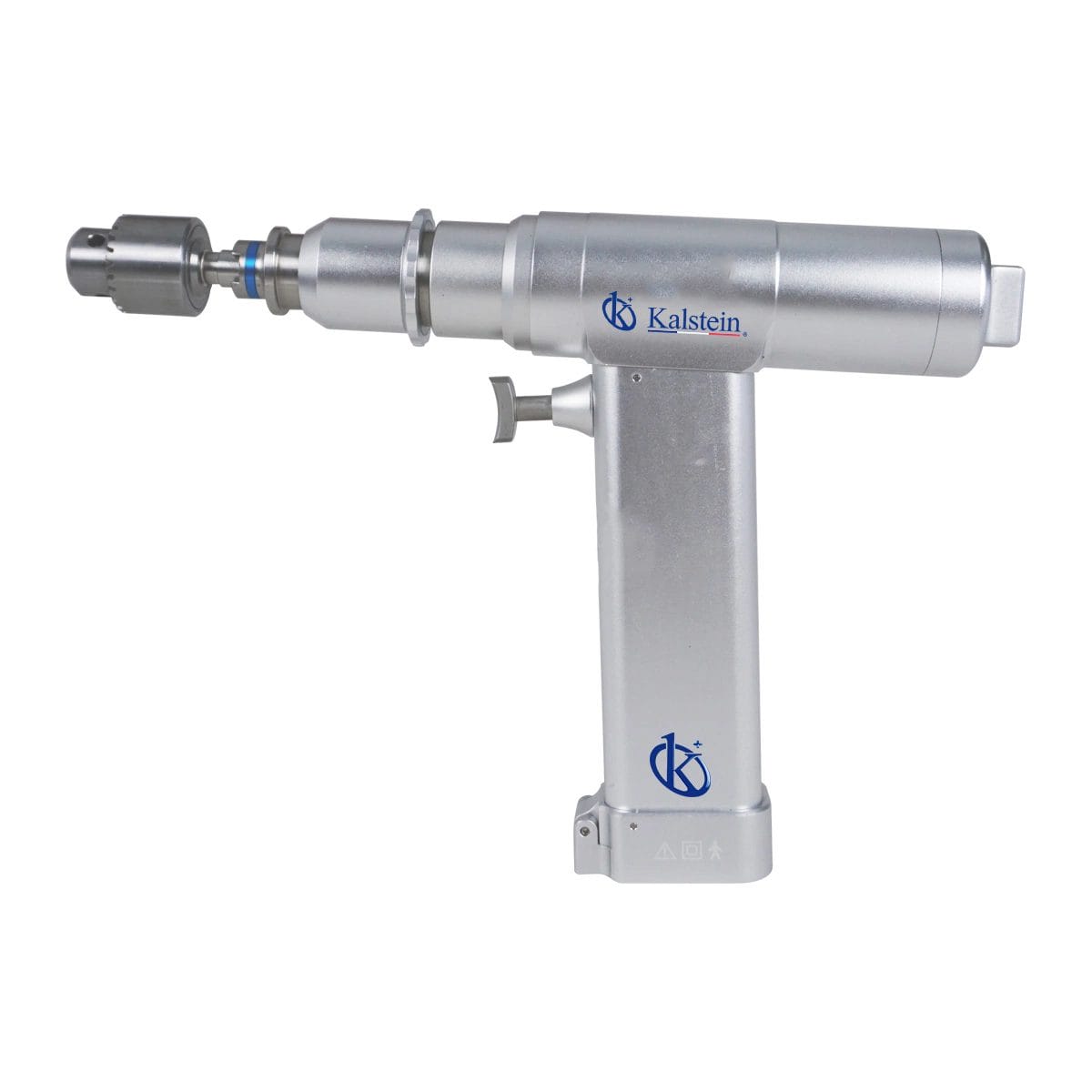
Veterinary Surgical Tools: A Practical Step-by-Step Guide in 2026
What is it used for in 2026
Veterinary surgical tools are essential in performing various surgical procedures on animals. In 2026, these tools are designed to meet the increasing demands of veterinary surgery, providing enhanced precision, efficiency, and safety. Common applications include orthopedic surgeries, soft tissue surgeries, and minimally invasive procedures. Each tool has specific applications, such as:
- Orthopedic surgery: Tools like the TPLO saw (YR06128) are critical for stabilizing knee joints in dogs.
- Trauma surgery: Multifunction tools (YR06126) offer versatility, allowing veterinarians to switch between different surgical operations effectively.
- Neurosurgery: Specialized tools ensure safety and precision when operating on the nervous system of various animals.
- Cardiac surgery: Specific attachments facilitate complex cardiac procedures with high accuracy.
History and evolution of the technology
The evolution of veterinary surgical tools has been significant over the past few decades. Initially, surgeries were performed with basic instruments that lacked precision and versatility. However, advancements in technology have led to the development of multifunctional tools. The introduction of electric devices, such as the Electric Multifunction Tool for Veterinary Surgery (YR06126), revolutionized veterinary practices, offering rapid adaptability and improved surgical outcomes. The focus has shifted towards ergonomic designs and materials that enhance durability while ensuring safety for both the animal and the surgeon.
How to use it step by step
Using veterinary surgical tools effectively requires a systematic approach. Here’s a step-by-step guide:
- Preparation: Ensure all tools are sterilized and in working condition.
- Setup: Select the appropriate tool for the procedure (e.g., YR06126 for joint surgeries).
- Initial assessment: Conduct a thorough examination of the animal to determine the surgical approach.
- Anesthesia: Administer anesthesia to ensure the animal is unconscious and pain-free.
- Procedure commencement: Use the selected tool to initiate the surgical procedure. For instance, begin with the TPLO saw (YR06128) to make precise cuts.
- Monitoring: Continuously monitor the animal’s vitals throughout the surgery.
- Closure: After completing the surgery, ensure all incisions are closed properly, using sutures where necessary.
- Post-operative care: Monitor the animal post-surgery and provide necessary care as per the veterinarian’s guidelines.
Best techniques and protocols
In 2026, following best practices and protocols is crucial for successful surgeries. Some recommended techniques include:
- Ergonomic positioning: Ensure that both the veterinarian and the animal are positioned comfortably to reduce strain.
- Use of imaging: Employ imaging technologies, such as X-rays, to guide surgical procedures accurately.
- Teamwork: Collaborate with a surgical team to ensure all roles are clearly defined and executed efficiently.
- Documentation: Maintain detailed records of surgical procedures to monitor progress and outcomes.
Practical applications by laboratory type
Veterinary surgical tools find applications across various laboratory types:
- Animal hospitals: Primarily use these tools for routine surgeries and emergency procedures.
- Research facilities: Utilize surgical tools to conduct studies involving surgical interventions on animal models.
- Teaching institutions: Implement these tools to train veterinary students in surgical techniques.
Regulations, standards and certifications
Compliance with regulations and standards is essential in veterinary surgery. Tools must be certified safe and effective by relevant authorities. In many regions, veterinary surgical tools are required to comply with ISO standards and local veterinary regulations. Regular audits and inspections are often conducted to ensure adherence to safety protocols.
Comparison with alternative technologies
When considering surgical tools, alternate technologies may also come into play. Traditional hand tools have been gradually replaced by electric and multifunctional devices, providing advantages such as:
- Efficiency: Electric tools allow for quicker procedures and reduced fatigue for the surgeon.
- Versatility: Multifunctional tools cater to various surgical needs without the need for multiple instruments.
- Precision: Advanced designs facilitate more accurate surgical interventions compared to manual tools.
Comparison of available models
| Model | Best for | Key specs | Recommended use case |
|---|---|---|---|
| YR06126 | Joint and trauma surgeries | 14.4V, ≥130W, ≤75db noise | When multiple surgical functions are needed |
| YR06127 | Small animal surgeries | 7.2V, ≥50W, ≤60db noise | For delicate surgeries on smaller animals |
| YR06128 | TPLO surgeries | 12V, 0-16000 Hz, ≤75db noise | For stabilizing canine knee joints |
Common mistakes and how to avoid them
Avoiding common pitfalls can enhance surgical outcomes. Here are frequent mistakes and their solutions:
- Inadequate preparation: Always ensure thorough preparation and sterilization of instruments before surgery.
- Improper tool selection: Understand each tool's specific applications to avoid using the wrong instrument.
- Neglecting post-operative care: Provide comprehensive care post-surgery to minimize complications.
Maintenance, calibration and good practices 2026
Maintaining and calibrating veterinary surgical tools is vital for ensuring their longevity and effectiveness. Recommended practices include:
- Regular cleaning: Clean tools after each use to prevent contamination.
- Routine calibration: Schedule regular checks to ensure tools are functioning as expected.
- Usage training: Keep all staff updated on proper usage techniques to enhance safety and efficiency.
Cost-benefit analysis 2026
Investing in high-quality veterinary surgical tools can yield significant benefits:
- Reduced surgical time: Efficient tools lead to faster procedures, thus improving throughput.
- Enhanced recovery rates: Precision tools minimize tissue damage, resulting in quicker recovery for animals.
- Long-term savings: Durable instruments reduce the need for frequent replacements.
Frequently asked questions
What should I consider when choosing surgical tools for veterinary use?
When selecting surgical tools, consider the type of procedures you perform most often, the size of the animals, and whether multifunctional tools can meet multiple needs. Ergonomics and weight are also important factors to ensure user comfort during surgery.
How can I ensure my surgical tools are properly sterilized?
Utilize an autoclave for sterilization, ensuring that tools are cleaned of organic matter beforehand. Regularly check autoclave performance to maintain efficacy.
What are the benefits of using electric surgical tools?
Electric surgical tools offer enhanced precision, reduced fatigue during prolonged surgeries, and the ability to quickly switch between different functions, which is critical in complex procedures.
How often should I maintain and calibrate my surgical tools?
Regular maintenance and calibration should be conducted after every use, with a comprehensive inspection performed at least quarterly to ensure all tools are in safe working condition.
Can these tools be used for all types of animals?
While many tools are versatile, it is essential to select the appropriate model based on the size and type of animal. For example, the Micro/Mini Multifunctional Veterinary Tool (YR06127) is designed specifically for small animals.
Are there any specific regulations for veterinary surgical tools?
Yes, veterinary surgical tools must comply with specific regulations and standards set by local authorities and international bodies, which often include safety and efficacy testing.
If you are looking for a fusion of innovation and quality, you have come to the right place. At Kalstein, we offer you the luxury of exploring our exclusive catalog of laboratory equipment. We manufacture every device to the highest standards of excellence. Our intuitive and seamless online purchasing channels are designed for your convenience, securing the most competitive prices. Hesitate no longer — we bring science to life, it is time to become part of our community.