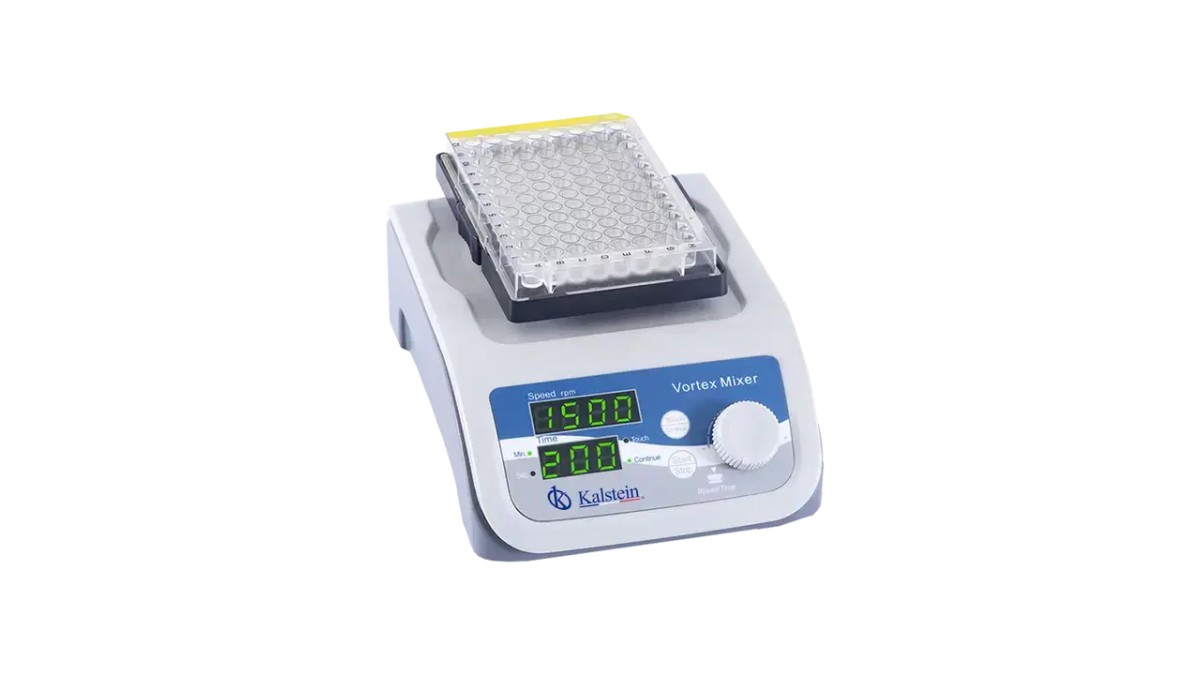
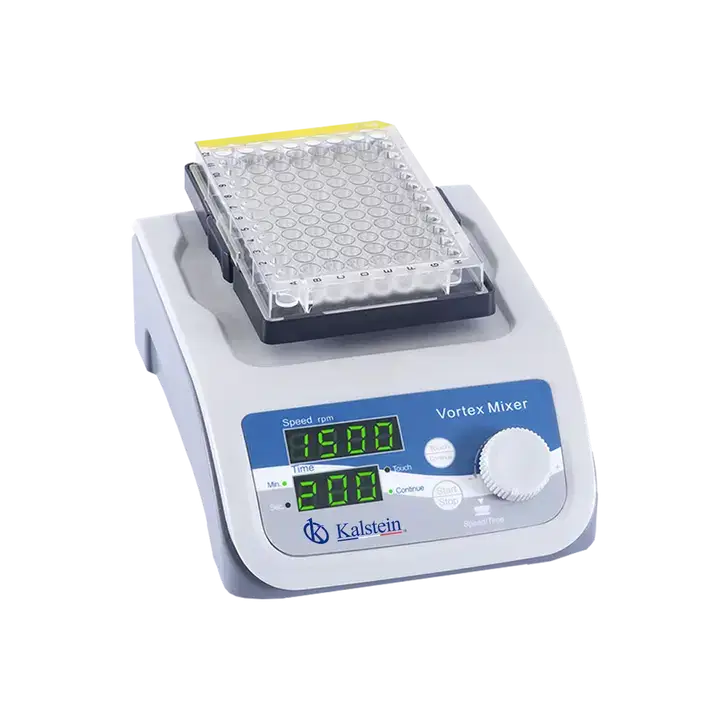
Vortex Mixers: Best Techniques and Protocols in 2026
What is it used for in 2026
In 2026, Vortex Mixers are widely utilized in laboratories for quick and efficient mixing of samples. These devices are essential for achieving uniformity in solutions and emulsions, ensuring the reproducibility of results in various experimental procedures. They are used in biochemistry, molecular biology, and clinical laboratories for tasks such as resuspending cells, mixing reagents, and preparing samples for analysis.
History and evolution of the technology
The Vortex Mixer has a rich history that dates back to the 1950s when it was first introduced as a laboratory tool for mixing solutions. Over the decades, technological advancements have led to the development of more efficient models with improved speed control, variable mixing modes, and enhanced durability. Today, Vortex Mixers are an indispensable part of laboratory workflows, showcasing innovations that cater to the evolving needs of scientists.
How to use it step by step
Using a Vortex Mixer is straightforward. Follow these steps for optimal results:
- Prepare the sample by placing it in an appropriate container, ensuring it is compatible with mixing.
- Set the Vortex Mixer to the desired speed setting, considering the sample type and required mixing intensity.
- Position the sample container on the mixer platform, ensuring it is secure to avoid spills.
- Engage the mixer, either by pressing down on the container or using automatic settings if available.
- Observe the mixing process and adjust the speed if necessary to achieve the desired consistency.
- Once mixing is complete, remove the container carefully to avoid contamination.
Best techniques and protocols
To ensure effective use of Vortex Mixers, consider the following techniques:
- Always pre-test mixing conditions with a small volume to determine the best speed and mixing time.
- Use appropriate container sizes for the volume of the sample to minimize spillage and improve mixing efficiency.
- Incorporate a timer to standardize mixing times across different samples for reproducibility.
- For sensitive samples, consider using low-speed settings to prevent shear damage.
- Regularly clean the mixing surface and containers to prevent cross-contamination.
Practical applications by laboratory type
Vortex Mixers have versatile applications based on laboratory types:
- Biochemistry Labs: Ideal for mixing biological samples and reagents.
- Molecular Biology Labs: Used for DNA/RNA extraction and reaction mixtures.
- Clinical Labs: Effective for sample preparation in diagnostic tests.
- Research Laboratories: Facilitates the blending of complex mixtures in experimental setups.
Regulations, standards and certifications
Laboratories must adhere to specific regulations and standards when using Vortex Mixers. These include guidelines from organizations such as ISO, CLSI, and other local regulatory bodies. Regular validation of equipment ensures compliance with quality assurance measures and enhances the reliability of laboratory results.
Comparison with alternative technologies
While Vortex Mixers are well-known for their mixing capabilities, alternative technologies such as magnetic stirrers and ultrasonic mixers also exist. Magnetic stirrers provide continuous mixing for larger volumes, while ultrasonic mixers offer high-intensity mixing for emulsions. However, Vortex Mixers remain preferred for quick and intensive mixing tasks in smaller volumes.
Comparison of available models
| Model | Best for | Key specs | Recommended use case |
|---|---|---|---|
| YR06047-1 | Mixing small volume samples | Dimensions: x x, Price: $8.50 | Ideal for quick reagent mixing |
| YR06047-2 | General laboratory mixing | Dimensions: x x, Price: $8.50 | Best for standard mixing protocols |
| YR06047-3 | Mixing viscous solutions | Dimensions: x x, Price: $10.00 | Effective for thick samples |
| YR06047-4 | High-throughput mixing | Dimensions: x x, Price: $16.50 | Recommended for batch processing |
| YR06047-5 | Cell resuspension | Dimensions: x x, Price: $16.50 | Best for biological sample preparation |
| YR06047-6 | Mixing multiple reagents | Dimensions: x x, Price: $16.50 | Ideal for complex experimental setups |
Common mistakes and how to avoid them
Laboratory professionals often encounter mistakes when using Vortex Mixers. Here are common pitfalls and solutions:
- Overloading the mixer: Avoid placing too many samples at once to ensure effective mixing.
- Incorrect speed settings: Adjust speed based on the viscosity and volume of the sample.
- Neglecting container compatibility: Use appropriate containers to prevent spills and ensure safety.
- Inadequate cleaning: Regularly clean the mixer and surrounding area to prevent contamination.
Maintenance, calibration and good practices 2026
To maximize the lifespan and performance of Vortex Mixers, follow these maintenance tips:
- Conduct regular inspections for wear and tear of mixer components.
- Calibrate the equipment as per manufacturer guidelines to ensure accuracy.
- Keep the mixer clean and free from chemical residues.
- Store the mixer in a dry and stable environment to prevent damage.
Cost-benefit analysis 2026
Investing in a Vortex Mixer presents numerous benefits, including:
- Time efficiency in mixing samples, allowing for increased productivity.
- Enhancement of experimental accuracy through consistent mixing.
- Affordability with models available at various price points, catering to different budgetary needs.
- Versatility across various laboratory applications, providing good value for investment.
Frequently asked questions
What should I consider when choosing a Vortex Mixer?
Consider factors such as the volume of samples you will mix, the viscosity of your solutions, and the necessary speed settings. Additionally, assess the compatibility of container sizes with the mixer.
Can I use a Vortex Mixer for sensitive samples?
Yes, but it is crucial to use lower speed settings to prevent damage to delicate samples. Always conduct a preliminary test to find the right balance.
How do I clean my Vortex Mixer?
Clean the mixer by using a soft cloth and appropriate cleaning solutions that do not damage the surface. Avoid using abrasive materials that could scratch the mixer.
Is it necessary to calibrate my Vortex Mixer?
Calibration is important to ensure accuracy and performance, especially if precise mixing is critical to your experiments. Follow manufacturer guidelines for calibration schedules.
What is the expected lifespan of a Vortex Mixer?
The lifespan can vary based on usage and maintenance, but with proper care, a Vortex Mixer can last many years, making it a worthwhile investment.
Where can I find replacement parts for my Vortex Mixer?
Replacement parts can typically be ordered through the manufacturer or authorized distributors. Ensure you have the model details handy when making an inquiry.
How can I request a quote for a Vortex Mixer?
You can easily request a quote by contacting our sales team or visiting our online catalog to find comprehensive options that suit your laboratory needs.
If you are looking for a fusion of innovation and quality, you have come to the right place. At Kalstein, we offer you the luxury of exploring our exclusive catalog of laboratory equipment. We manufacture every device to the highest standards of excellence. Our intuitive and seamless online purchasing channels are designed for your convenience, securing the most competitive prices. Hesitate no longer — we bring science to life, it is time to become part of our community.