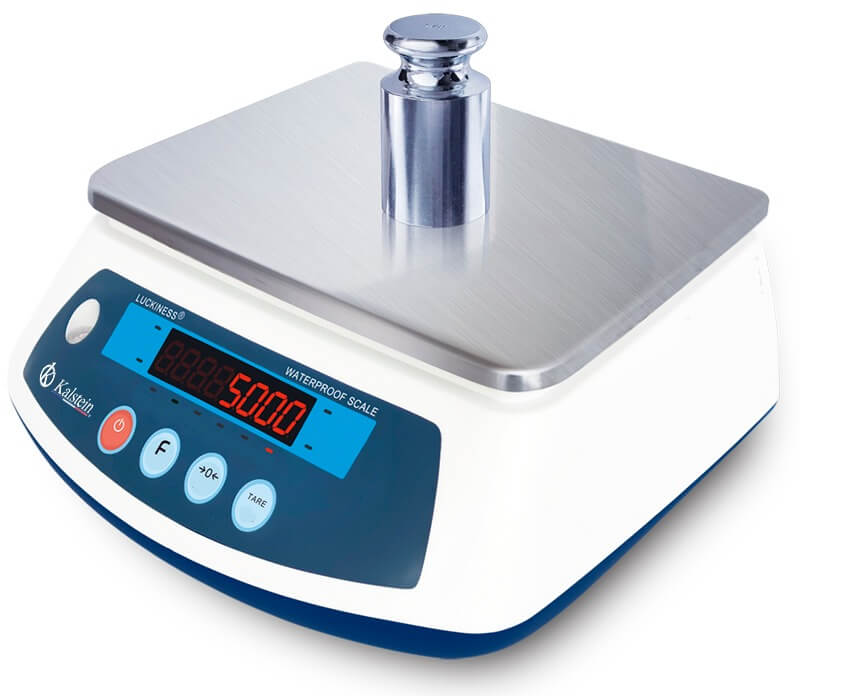
Waterproof Balances: Practical Applications and Techniques 2026
What is it used for in 2026
In 2026, waterproof balances are essential tools in various laboratory settings, particularly in environments requiring resistance to moisture and contamination. They are primarily used for precise weighing of samples that may be wet or in contact with liquids. This makes them ideal for chemical laboratories, food processing facilities, and any setting where spills may occur. The ability to withstand moisture without compromising accuracy ensures that laboratory professionals can maintain high standards of precision regardless of conditions.
History and evolution of the technology
The evolution of waterproof balances dates back several decades when the need for more durable and resilient laboratory equipment became apparent. Traditional balances were often susceptible to damage from spills, leading to inaccuracies and equipment failure. With advancements in materials science and electronics, manufacturers began to develop waterproof designs that provided both durability and precision. Over the years, models have improved in terms of accuracy, user interface, and data connectivity, allowing them to meet the evolving demands of modern laboratories.
How to use it step by step
Using a waterproof balance effectively follows a straightforward process:
- Preparation: Ensure the balance is on a stable, level surface away from drafts and vibrations. Clean the weighing pan with a suitable solution if necessary.
- Power On: Turn on the balance and allow it to warm up if required. This ensures accuracy in measurements.
- Tare the Balance: Place an empty container on the balance and press the tare button to zero the scale. This step is crucial for avoiding measurement errors.
- Weigh the Sample: Gradually add the sample to the container. Ensure not to exceed the maximum capacity of the balance.
- Read the Measurement: Once the reading stabilizes, record the weight displayed on the digital screen.
- Cleanup: After use, carefully remove the container and clean the balance to prevent cross-contamination.
Best techniques and protocols
Adopting best practices when using waterproof balances can significantly enhance their performance:
- Regular Calibration: Ensure that balances are calibrated regularly to maintain accuracy. Follow the manufacturer's recommendations for calibration schedules.
- Environmental Control: Maintain a controlled environment to minimize fluctuations in temperature and humidity, which can affect measurement accuracy.
- Proper Handling: Use gloves or tools to handle samples whenever possible to avoid contamination of the balance and samples.
- Use Suitable Containers: Always use containers that are compatible with the balance to avoid any potential damage or errors.
Practical applications by laboratory type
Waterproof balances find applications across various laboratory types, including:
- Chemical Laboratories: Ideal for weighing liquids and reactive substances without the risk of damaging the equipment.
- Food Safety Labs: Used for measuring ingredients in wet conditions, ensuring compliance with safety standards.
- Pharmaceutical Labs: Essential for weighing compounds that may be hygroscopic or otherwise sensitive to moisture.
- Environmental Testing Labs: Useful for weighing soil and water samples in field conditions where moisture is unavoidable.
Regulations, standards and certifications
In 2026, waterproof balances must comply with various regulations and standards to ensure safety and accuracy:
- ISO Standards: Adherence to ISO standards, particularly ISO 9001 and ISO 17025, is crucial for quality management and testing accuracy.
- CE Certification: Equipment should have CE marking to indicate conformity with health, safety, and environmental protection standards.
- RoHS Compliance: Ensure that the balance meets RoHS directives, limiting the use of hazardous substances in electrical and electronic equipment.
Comparison with alternative technologies
Alternative technologies to waterproof balances include traditional balances and analytical balances. Each has its pros and cons:
- Traditional Balances: More affordable but lack moisture resistance, making them less suitable for wet environments.
- Analytical Balances: Offer greater precision but are sensitive to environmental factors, requiring more careful handling and environment control.
- Waterproof Balances: The ideal compromise, providing moisture resistance while maintaining acceptable accuracy for most laboratory needs.
Comparison of available models
| Model | Best for | Key specs | Recommended use case |
|---|---|---|---|
| YR05623 | Small sample weighing | 3 kg, 0.1 g readability | Ideal for laboratory applications requiring small sample weights. |
| YR05624 | Medium sample weighing | 3 kg, 0.5 g readability | Suitable for general lab tasks with slightly larger samples. |
| YR05625 | Larger sample weighing | 6 kg, 1 g readability | Best for weighing solutions and larger samples in chemical labs. |
| YR05626 | Versatile applications | 7.5 kg, 1 g readability | Great for various laboratory tasks, particularly in food labs. |
| YR05627 | Heavy sample weighing | 15 kg, 5 g readability | Recommended for heavier materials or bulk samples. |
| YR05628 | Industrial applications | 30 kg, 5 g readability | Designed for heavy-duty use in industrial and commercial settings. |
Common mistakes and how to avoid them
Laboratory professionals often encounter common mistakes while using waterproof balances. Here are ways to avoid them:
- Failing to Tare: Always tare the balance before weighing to ensure accuracy.
- Using Incompatible Containers: Ensure that the containers used do not interfere with the balance’s function.
- Ignoring Calibration: Regular calibration checks are essential for maintaining precision.
- Neglecting Cleaning: Regular cleaning prevents cross-contamination and extends the life of the balance.
Maintenance, calibration and good practices 2026
Maintaining waterproof balances involves several key practices:
- Regular Cleaning: Clean the balance after each use to prevent residue build-up.
- Scheduled Calibration: Follow a strict calibration schedule as recommended by the manufacturer.
- Environmental Checks: Monitor environmental conditions in the lab to ensure they remain stable.
Cost-benefit analysis 2026
When considering waterproof balances, it's essential to analyze the cost-benefit ratio:
- Initial Investment: While the cost may be higher initially compared to traditional balances, the longevity and precision of waterproof models justify the expense.
- Reduced Maintenance Costs: Waterproof balances often require less maintenance due to their robust construction, leading to lower overall costs.
- Increased Productivity: Their accuracy and reliability can lead to more efficient laboratory workflows.
Frequently asked questions
What is the main advantage of using waterproof balances?
The main advantage of waterproof balances is their ability to function accurately in wet or humid environments without compromising on precision.
How often should waterproof balances be calibrated?
Waterproof balances should be calibrated regularly, typically once a month or after significant changes in the environment or usage patterns.
Can waterproof balances be used in fieldwork?
Yes, waterproof balances are ideal for fieldwork, especially in environments where moisture exposure is likely, such as environmental testing.
Are waterproof balances easy to clean?
Absolutely! Most waterproof balances are designed for easy cleaning, allowing for quick maintenance between uses.
What should I do if my waterproof balance is displaying inconsistent readings?
If you notice inconsistent readings, check for proper calibration and ensure that the balance is leveled and clean. If issues persist, consult the manufacturer for support.
What type of containers should be used with waterproof balances?
Use containers that are compatible with the balance’s specifications; avoid those that may cause damage or interfere with the weighing process.
How can I request more information about waterproof balances?
You can easily request a quote and more information through our online platform, where you'll find a variety of waterproof balances suited for your needs.
If you are looking for a fusion of innovation and quality, you have come to the right place. At Kalstein, we offer you the luxury of exploring our exclusive catalog of laboratory equipment. We manufacture every device to the highest standards of excellence. Our intuitive and seamless online purchasing channels are designed for your convenience, securing the most competitive prices. Hesitate no longer — we bring science to life, it is time to become part of our community.