Wheelchair for Children with Cerebral YR06611
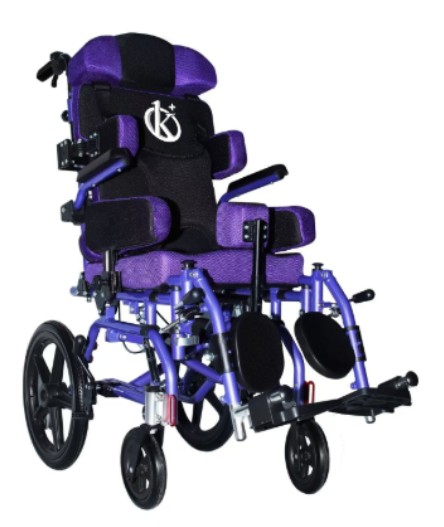
The Wheelchair for Children with Cerebral Palsy YR06611 combines technical features for laboratory routines, operational continuity and a coherent equipment selection process.
This page provides an overview of the Wheelchair for Children with Cerebral Palsy YR06611, including selection criteria, investment factors, operational advantages and maintenance recommendations. The aim is to support an informed decision before requesting a quotation.
This Kalstein model is available for laboratories in India, with selection criteria adapted to local purchasing, installation and support conditions.
Key factors to consider
Before selecting the Wheelchair for Children with Cerebral Palsy YR06611, confirm workflow, available space, required accessories and installation conditions. This prevents oversizing the purchase and helps prepare a more accurate quotation.
Its use is oriented to laboratory routines that require observation, control and operational continuity.
For the market in India, evaluation should consider local context such as CDSCO regulation, pharma manufacturing hub and match the product to the real workload of the laboratory.
Market price range
The investment should be evaluated according to configuration, required accessories, installation conditions and available technical support.
The final price may vary according to configuration, accessories, logistics, warranty and territorial availability. Compare the technical sheet with the real laboratory workload before confirming the investment.
In India, budget comparison should include CDSCO references, 230V/50Hz power conditions, accessories, logistics and after-sales support.
Value for money
Equipment value depends on operational stability, required accuracy, ease of maintenance and accessory availability.
Value for money should be reviewed together with equipment stability, after-sales support, technical documentation and expected service life. A well-matched selection reduces downtime and improves return on investment.
Advantages and disadvantages
Its use is oriented to laboratory routines that require observation, control and operational continuity.
Main advantages include specialized application, integration with laboratory routines and accessory configuration. Limitations may include installation requirements, user training and preventive maintenance to preserve performance.
Expected lifespan based on use and maintenance
ModelYR06611Product SizeTotal Length: 1080 mm Total Width: 540 mm Total Height: 1290 mmFolded SizeTotal Length: 780 mm Total Width: 320 mm Total Height: 1040 mmSeat Width340 mmSeat Height500 mmSeat Depth330 mmBackrest Height460 mmBackrest Width400 mmArmrest Height210 mmMaterialAluminum AlloyBackrest FeaturesCan recline (180°)Seat FeaturesCan tiltArmrestsCan be liftedHeadrestCan be adjustedFootrestCan be adjusted and removedProtection PlateCan be lifted, lowered, and removed with manual brakeAnti-Voltage WheelsAdjustableHandlebarCan be adjustedFront Wheels7 inchesRear Wheels16 inchesSuitable forChildren under 1.2 m and weighing no more than 50 kg
Service life depends on usage frequency, cleaning, storage, calibration when applicable and adherence to technical recommendations. A structured maintenance plan helps preserve accuracy, safety and operational continuity.
Support and spare-parts availability oriented to India helps preserve service continuity and plan preventive maintenance without extended downtime.
Specifications table for the Wheelchair for Children with Cerebral YR06611
Wheelchair for Children with Cerebral YR06611
La Silla de Ruedas Para Niños Con Parálisis Cerebral YR06611 ha sido diseñada para ofrecer la máxima comodidad, seguridad y funcionalidad a los niños con necesidades de movilidad especiales. Este modelo cuenta con un diseño robusto y ajustable que proporciona soporte adecuado y facilidad de uso, garantizando que los niños disfruten de una mayor independencia en su día a día.
Características y Especificaciones del Producto:
El modelo YR06611 se destaca por sus dimensiones prácticas y adaptables, con una longitud total de 1080 mm, ancho total de 540 mm y altura total de 1290 mm. Su tamaño plegado es ideal para transportarlo o almacenarlo fácilmente, alcanzando 780 mm de longitud, 320 mm de ancho y 1040 mm de altura. El ancho del asiento es de 340 mm, con una altura de asiento de 500 mm y profundidad de 330 mm, proporcionando un ajuste cómodo y ergonómico para los niños. Construida en aleación de aluminio, esta silla es ligera pero extremadamente resistente. Además, ofrece características de alta funcionalidad, como un respaldo reclinable a 180°, asiento inclinado, reposabrazos ajustables y un reposacabezas regulable, adaptándose a las necesidades de confort y soporte del niño. Las ruedas traseras de 16 pulgadas y las ruedas delanteras de 7 pulgadas aseguran un desplazamiento suave, mientras que las ruedas de anti-voltaje ajustables y el manillar ajustable permiten un fácil manejo tanto para el niño como para el cuidador. La placa de protección, que puede ser levantada, bajada o retirada con freno manual, ofrece una capa adicional de seguridad, especialmente para el uso en ambientes controlados.
Diseño y Tecnología (Funcionalidad)
La Silla de Ruedas YR06611 destaca por su diseño intuitivo y tecnología orientada al bienestar de los niños con parálisis cerebral. La aleación de aluminio utilizada no solo garantiza la durabilidad del producto, sino también una construcción ligera para facilitar su manejo tanto por parte de los padres como de los cuidadores. Las funcionalidades como el respaldo reclinable y el reposapies ajustable y retirado ofrecen a los niños la posibilidad de encontrar la postura más cómoda según sus necesidades físicas, asegurando que el niño esté siempre en una posición que le proporcione apoyo adecuado para la espalda y el cuerpo. El sistema de frenos manuales y las ruedas ajustables permiten un control total sobre la silla, mejorando la seguridad tanto en interiores como en exteriores.
Preguntas Frecuentes:
¿Es adecuada la silla para niños con parálisis cerebral severa? Sí, el modelo YR06611 está diseñado para niños con parálisis cerebral leve a moderada. El respaldo reclinable y los ajustes personalizables aseguran comodidad, incluso en niños con mayor rigidez muscular.
¿Cuánto pesa la silla? La silla tiene un peso ligero, lo que facilita su transporte y manejo. Gracias a su construcción en aleación de aluminio, es fácil de mover sin comprometer la robustez.
¿Cuáles son las opciones de ajuste en la silla? La silla ofrece ajustes en el respaldo, asiento, reposabrazos, reposacabezas y reposapies, lo que permite personalizarla según las necesidades del niño para asegurar el mayor confort y soporte posible.
Ventajas y Desventajas:
Ventajas:
Alta personalización: Ajustes en múltiples puntos para mayor confort.
Ligereza y resistencia: Construcción en aleación de aluminio para un manejo fácil y duradero.
Seguridad mejorada: Sistema de freno manual y ruedas anti-voltaje ajustables para un control preciso.
Comodidad prolongada: Respaldo reclinable y reposapies ajustables que favorecen una postura cómoda durante largos períodos de uso.
Desventajas:
Requiere espacio para plegarse: Aunque la silla es compacta cuando está plegada, su tamaño puede ser un poco grande para algunos espacios reducidos.
Adecuado solo para niños de menos de 1.2m de altura: No es apta para niños mayores o más grandes.
Uso del Producto en el Campo:
En escenarios reales, la Silla de Ruedas YR06611 es ideal para niños con parálisis cerebral que necesitan movilidad constante en el hogar, la escuela o durante salidas al aire libre. Su fácil manejo permite que los cuidadores puedan desplazarse con agilidad, mientras que las ruedas de gran tamaño aseguran un viaje suave incluso en terrenos irregulares. Esta silla es perfecta para apoyar la independencia de los niños, dándoles mayor libertad mientras se mantiene la seguridad y el control en todo momento.
Recomendaciones:
Para maximizar el uso y la durabilidad de la Silla de Ruedas Para Niños Con Parálisis Cerebral YR06611, se recomienda realizar un mantenimiento regular de las ruedas y el sistema de frenos. Además, es importante ajustar la silla a las necesidades físicas del niño, para asegurar que siempre esté en una posición cómoda y segura. Para preservar su estructura, se recomienda mantenerla en un lugar seco y evitar el contacto con ambientes húmedos o corrosivos.
Model | YR06611 |
Product Size | Total Length: 1080 mm Total Width: 540 mm Total Height: 1290 mm |
Folded Size | Total Length: 780 mm Total Width: 320 mm Total Height: 1040 mm |
Seat Width | 340 mm |
Seat Height | 500 mm |
Seat Depth | 330 mm |
Backrest Height | 460 mm |
Backrest Width | 400 mm |
Armrest Height | 210 mm |
Material | Aluminum Alloy |
Backrest Features | Can recline (180°) |
Seat Features | Can tilt |
Armrests | Can be lifted |
Headrest | Can be adjusted |
Footrest | Can be adjusted and removed |
Protection Plate | Can be lifted, lowered, and removed with manual brake |
Anti-Voltage Wheels | Adjustable |
Handlebar | Can be adjusted |
Front Wheels | 7 inches |
Rear Wheels | 16 inches |
Suitable for | Children under 1.2 m and weighing no more than 50 kg |
Frequently Asked Questions about the Wheelchair for Children with Cerebral YR06611
How do I choose the right Wheelchair for Children with Cerebral YR06611 for my laboratory?
Selection should start from workload, critical technical parameters, available space and frequency of use. Kalstein can support the comparison between operational needs, budget and maintenance requirements to avoid choosing equipment that is oversized or insufficient.
What should I review before requesting a quotation?
Review the model, technical specifications, required accessories, electrical conditions, consumables, delivery timing and installation needs. With this information, the quotation can be prepared more accurately and aligned with the laboratory workflow.
Does Kalstein provide guidance for this type of equipment?
Yes. The commercial and technical team can support product evaluation, explain differences between models, answer application questions and advise on preventive maintenance, spare parts and documentation required for a secure purchase.
What maintenance helps extend the equipment lifespan?
Follow the manufacturer manual, perform regular cleaning, verify calibrations or controls when applicable, avoid workload abuse and keep maintenance records. Stable use and preventive routines reduce failures and improve operational continuity.