Wine Refractometers: Common Mistakes and How to Avoid Them in Daily Operation 2026
What is it used for in 2026
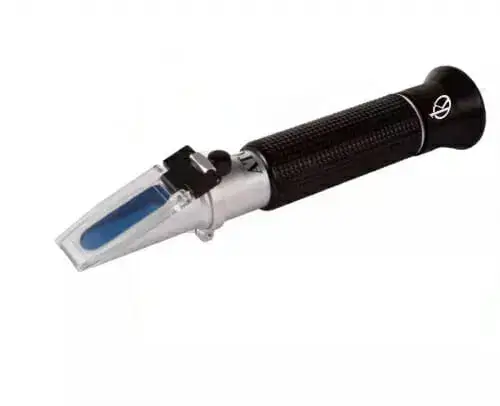
Wine refractometers are critical tools in the wine industry and laboratories for measuring sugar concentration in grapes and wine. In 2026, they are widely used for assessing the ripeness of grapes and monitoring fermentation processes. The dual scale feature allows for direct readings of alcohol levels and Brix measurements, providing winemakers essential data for decision-making. This ensures that the fermentation process is optimized and that the final product meets quality standards.
History and evolution of the technology
The refractometer technology has evolved significantly since its inception in the 19th century. Originally designed for measuring the refractive index of light, it has adapted to various applications, including agriculture and food science. Wine refractometers have become more sophisticated, integrating automatic temperature compensation (ATC) features to address temperature-dependent discrepancies in measurements. This evolution reflects the growing need for accuracy and efficiency in wine production.
How to use it step by step
Using a wine refractometer involves a few straightforward steps:
- Calibration: Begin by calibrating the refractometer with distilled water to ensure accuracy.
- Sample Preparation: Obtain a small sample of the wine or grape juice and ensure it is at the correct temperature.
- Measurement: Place a few drops of the sample on the prism surface of the refractometer.
- Reading the Scale: Look through the eyepiece and take note of the measurement on the scale.
- Record Results: Document your findings for further analysis and decision-making.
Best techniques and protocols
To optimize the use of wine refractometers, laboratory professionals should implement the following best techniques:
- Always use clean equipment to avoid contamination.
- Ensure samples are at ambient temperature for accurate readings.
- Conduct multiple measurements for consistency and reliability.
- Regularly check calibration using known standards.
- Use appropriate lighting when reading measurements for clarity.
Practical applications by laboratory type
Wine refractometers find applications across various laboratory types:
- Winery Laboratories: Used for monitoring grape ripeness and fermentation progress.
- Quality Control Labs: Ensure the consistency of products by testing various wine batches.
- Research Facilities: Conduct experiments on fermentation processes and flavor profiling.
- Agricultural Labs: Evaluate soil and plant health by testing sugar levels in grapes.
Regulations, standards and certifications
The use of wine refractometers is governed by industry standards and certifications to ensure accuracy and reliability. These may include:
- ISO standards for measurement accuracy.
- Compliance with local and international winemaking regulations.
- Certification programs that enhance the credibility of laboratory results.
Comparison with alternative technologies
While wine refractometers are popular, other methods for measuring sugar concentration and alcohol content exist, including:
- Hydrometers: Useful for measuring specific gravity but less accurate than refractometers.
- Digital Alcohol Meters: Provide direct alcohol content measurements but may lack the versatility of refractometers.
Comparison of available models
| Model | Best for | Key specs | Recommended use case |
|---|---|---|---|
| YR05931 | Alcohol measurement | 0-80% v/v, ±1% v/v | Estimating alcohol content in wine |
| YR05932 | Wine and Brix measurement | 0-25% Vol, 0-40 Brix, ±0.2% | Analyzing grape sugar levels |
| YR05933 | General wine analysis | 0-25% Vol, 0-170° Oe, ±0.2% Vol | Fermentation monitoring |
| YR05934 | Baume and Brix measurement | 0-20% Baume, ±0.2% | Grape quality assessment |
| YR05935 | General wine analysis | 0-25% Vol, 0-40 Brix, ±0.2% | Quality control in wine labs |
| YR05936 | Alcohol measurement | 0-80% v/v, ±1% v/v | Assessing final product alcohol levels |
Common mistakes and how to avoid them
Laboratory professionals often encounter several common mistakes while using wine refractometers:
- Not calibrating: Always calibrate before use to ensure accuracy.
- Ignoring temperature effects: Use ATC refractometers for reliable readings across temperature variations.
- Inadequate sample size: Ensure enough sample is used for accurate measurements.
- Failing to clean: Regularly clean the prism to avoid contamination and incorrect readings.
Maintenance, calibration and good practices 2026
Regular maintenance and calibration are crucial for the longevity and accuracy of wine refractometers:
- Clean after each use with a soft cloth.
- Calibrate monthly or before significant testing periods.
- Store in a dry place to prevent damage.
- Follow manufacturer guidelines for best practices.
Cost-benefit analysis 2026
Investing in a wine refractometer provides significant benefits:
- Accuracy: High precision in measurements leads to better quality control.
- Time-saving: Quick readings reduce time spent on analysis.
- Cost-effective: Fewer costly mistakes in wine production due to accurate data.
Frequently asked questions
How do I choose the right wine refractometer for my needs?
Consider the specific measurements you need (e.g., alcohol, Brix), the ATC feature for temperature corrections, and the model specifications that best fit your laboratory applications.
What is the importance of automatic temperature compensation (ATC)?
ATC is crucial because it adjusts readings based on temperature fluctuations, ensuring accurate results under varying conditions.
How often should I calibrate my refractometer?
Calibration should be performed before use and on a monthly basis to maintain accuracy, especially during busy testing periods.
Can I use the refractometer for other liquids besides wine?
Yes, wine refractometers can be used for other sugar-based liquids, but ensure the measurement range fits the new liquid's characteristics.
What are the common signs that my refractometer needs maintenance?
Common signs include inconsistent readings, dirty prism surfaces, or failure to calibrate properly. Regular cleaning and checks can prevent these issues.
How should I clean my wine refractometer?
Use a soft, lint-free cloth to gently clean the prism surface and avoid abrasive materials that could scratch it.
Where can I find high-quality wine refractometers?
Look for reputable suppliers that specialize in laboratory equipment, ensuring they offer warranties and customer service support.
If you are looking for a fusion of innovation and quality, you have come to the right place. At Kalstein, we offer you the luxury of exploring our exclusive catalog of laboratory equipment. We manufacture every device to the highest standards of excellence. Our intuitive and seamless online purchasing channels are designed for your convenience, securing the most competitive prices. Hesitate no longer — we bring science to life, it is time to become part of our community.