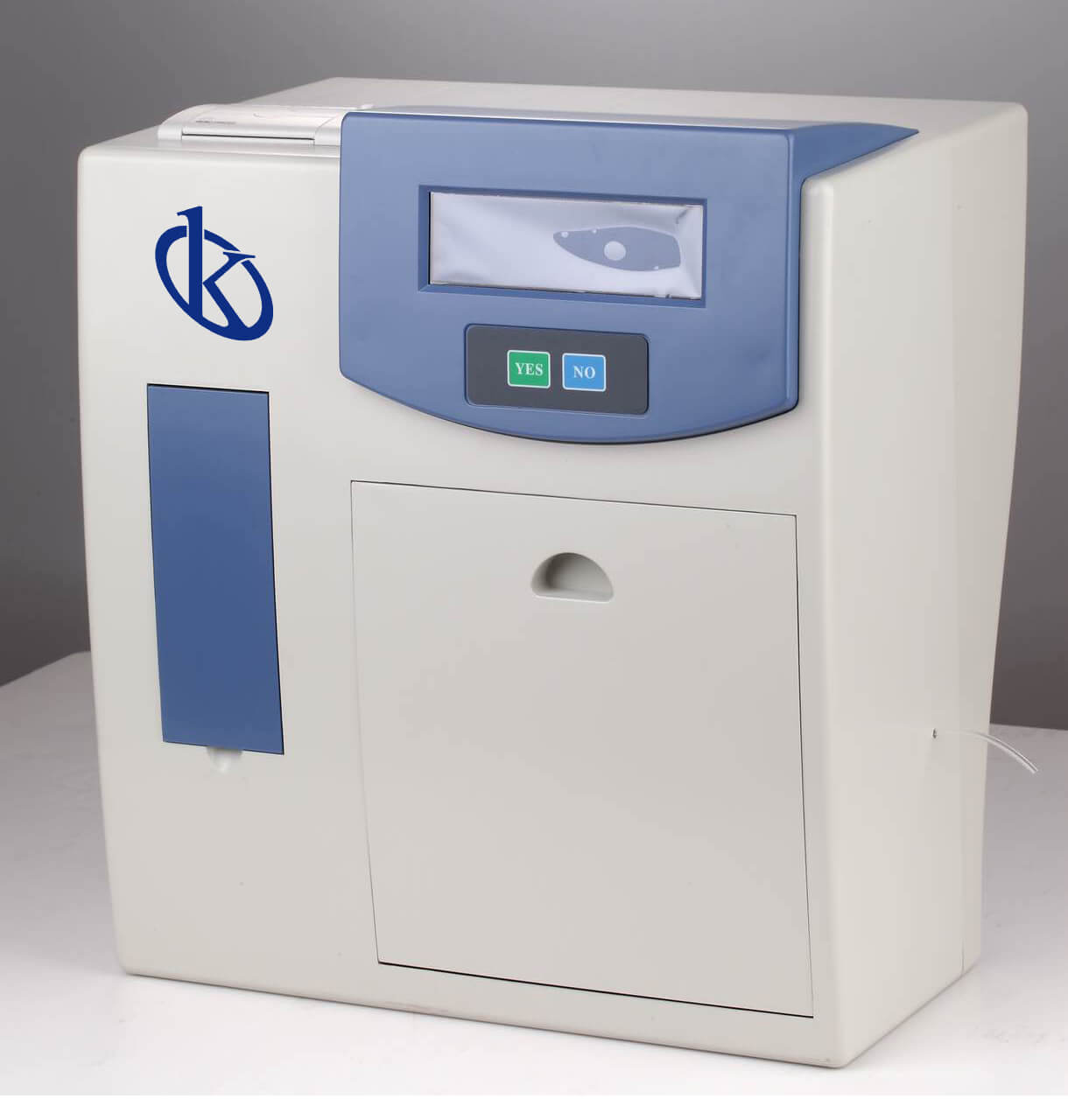
How to Enhance Workflow Efficiency with Electrolyte Analyzers and LIMS Integration
In today's fast-paced laboratory environments, efficiency is paramount. Electrolyte analyzers play a crucial role in clinical diagnostics, and their integration with Laboratory Information Management Systems (LIMS) can significantly enhance workflow efficiency. This article delves into how electrolyte analyzers can be optimally utilized alongside LIMS to streamline processes, reduce errors, and facilitate data management.
Understanding the Role of Electrolyte Analyzers in Laboratory Workflow
Electrolyte analyzers are sophisticated devices that measure various electrolyte levels in biological samples, providing critical data for patient care. These analyzers handle different types of samples, including serum, plasma, and urine. By automating the measurement process, they help laboratories improve throughput and reduce manual errors.
The integration of electrolyte analyzers with LIMS allows laboratories to automate data entry, track sample provenance, and manage workflows efficiently. This synergy not only enhances accuracy but also aids compliance with regulatory standards, improving overall lab performance.
Key Benefits of LIMS Integration with Electrolyte Analyzers
Integrating electrolyte analyzers with LIMS offers several advantages:
- Automation: Reduces manual data entry errors and speeds up the processing time.
- Data Management: Facilitates seamless transfer of results into the LIMS, ensuring real-time data availability.
- Workflow Optimization: Streamlines laboratory workflows by connecting various processes from sample reception to reporting.
- Compliance: Helps in adhering to industry standards and regulations, such as ISO 17025.
Comparison of Available Models
| Model | Connectivity | Protocols Supported | Integration Effort | Best For |
|---|---|---|---|---|
| YR05169 | Yes | HL7, ASTM | Moderate | High-volume labs |
| YR06391 | Yes | ASTM | Low | Small to mid-sized labs |
| YR06392 | Yes | HL7 | Moderate | Research institutions |
| YR06393 | Yes | ASTM | Moderate | Clinical laboratories |
| YR06394 | Yes | HL7 | Low | High-throughput labs |
| YR06395 | Yes | ASTM, HL7 | High | Diagnostic centers |
Common Mistakes and How to Avoid Them
Adopting new technologies like LIMS and electrolyte analyzers can present challenges. Here are common mistakes and strategies to avoid them:
- Neglecting Training: Ensure that all staff receive proper training on both LIMS and the analyzers to minimize errors.
- Inadequate Testing: Before full implementation, conduct pilot tests to troubleshoot integration issues.
- Ignoring Compliance Requirements: Familiarize yourself with ISO 17025 and other relevant standards to ensure all processes meet regulatory guidelines.
Integration Protocols for Electrolyte Analyzers
To effectively integrate electrolyte analyzers with LIMS, understanding connectivity protocols is essential. Commonly used protocols include HL7 and ASTM, which facilitate seamless data exchange between devices and systems. These standards help ensure accurate and timely transmission of patient data and test results, enhancing laboratory efficiency.
For instance, the YR05169 model supports HL7, making it ideal for high-volume labs that require rapid data transfer. Additionally, the YR06391 is designed for small to mid-sized labs, providing essential features at a lower integration effort.
Data Digitalization Trends in Laboratory Environments
Data digitalization is transforming laboratory processes, enabling real-time data access and analysis. With LIMS integration, laboratories can manage data more effectively, ensuring compliance and accuracy. Digital records replace paper-based systems, reducing the risk of data loss and human error.
Electrolyte analyzers such as the YR06392 offer advanced data management features, allowing labs to analyze and report results quickly. By leveraging digital tools, laboratories can streamline workflows and enhance their operational efficiency.
Best Practices for Successful Integration
Successful integration of electrolyte analyzers and LIMS requires careful planning and execution. Here are some best practices:
- Assessment: Evaluate your current systems and workflows to identify integration points.
- Collaboration: Work closely with IT professionals and equipment suppliers to ensure compatibility.
- Continuous Improvement: Regularly review and optimize integration processes based on feedback and performance metrics.
Frequently Asked Questions
How can LIMS integration improve the accuracy of electrolyte analyzers?
LIMS integration enhances the accuracy of electrolyte analyzers, like the YR05169, by automating data entry and ensuring that all test results are directly transmitted to the database. This reduces manual errors, leading to more reliable results and better patient care.
What are the benefits of using YR06391 in a small laboratory setting?
The YR06391 model provides significant benefits in small laboratories, including its low cost of operation and user-friendly touchscreen interface. Its design facilitates quick testing of up to six electrolyte parameters, streamlining workflows and improving efficiency.
Which protocols are essential for integrating electrolyte analyzers with LIMS?
Essential protocols for LIMS integration include HL7 and ASTM. These protocols ensure that models like the YR06392 can effectively communicate with laboratory systems, allowing for seamless data transfer and management.
How does the YR06395 model support high-throughput laboratories?
The YR06395 model supports high-throughput laboratories by offering rapid measurement speeds of ≤40 seconds per test and the ability to analyze multiple samples simultaneously. This efficiency is crucial for diagnostic centers handling large volumes of tests.
What challenges might arise during the integration of electrolyte analyzers and LIMS?
Common challenges include ensuring compatibility between systems, training staff adequately, and overcoming resistance to change. Addressing these issues proactively can lead to a smoother integration process and better outcomes.
How can laboratories ensure compliance with ISO 17025 during integration?
Laboratories can ensure compliance with ISO 17025 by using models like YR05169, which include features that help track sample provenance and maintain records. Regular audits and adherence to protocols are also necessary to meet compliance standards.
What is the average cost of implementing a LIMS-integrated electrolyte analyzer?
The average cost of a LIMS-integrated electrolyte analyzer varies, but models like YR06394 start at approximately $1850. Additional costs may include LIMS software, training, and ongoing maintenance.
How do electrolyte analyzers contribute to data digitalization in labs?
Electrolyte analyzers contribute to data digitalization by automatically transmitting results to LIMS, as seen with models like YR06393. This reduces reliance on paper records, enhances data accuracy, and improves overall laboratory efficiency.
If you are looking for a fusion of innovation and quality, you have come to the right place. At Kalstein, we offer you the luxury of exploring our exclusive catalog of laboratory equipment. We manufacture every device to the highest standards of excellence. Our intuitive and seamless online purchasing channels are designed for your convenience, securing the most competitive prices. Hesitate no longer — we bring science to life, it is time to become part of our community.