Centrifuges
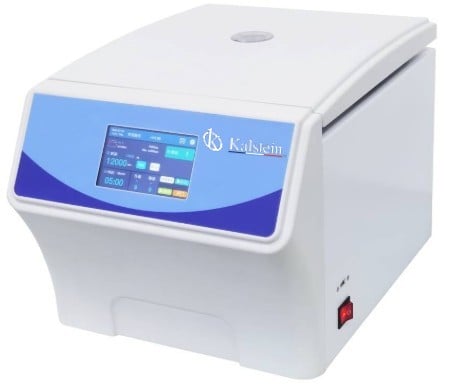
Centrifuges are vital instruments in modern laboratories, utilized for separating substances of different densities, primarily in biological, chemical, and medical applications. Their precision and efficiency make them indispensable for tasks like blood sample analysis and cell separation.
With advancements in technology, centrifuges have evolved to offer various types tailored to specific laboratory needs, including refrigerated and non-refrigerated options. Understanding the right centrifuge for your laboratory can significantly improve research outcomes and operational efficiency.
Types of centrifuges your laboratory may need
Centrifuge
Centrifuges are designed to separate mixtures based on density using high-speed rotation. They are essential for various applications in laboratories, including clinical diagnostics, molecular biology, and biochemistry. Choosing the right centrifuge can enhance the accuracy and reliability of your results.
There are various models and features available, so it's crucial to assess your laboratory's specific needs, including sample types and volume, to select the best centrifuge.
Non-refrigerated centrifuges
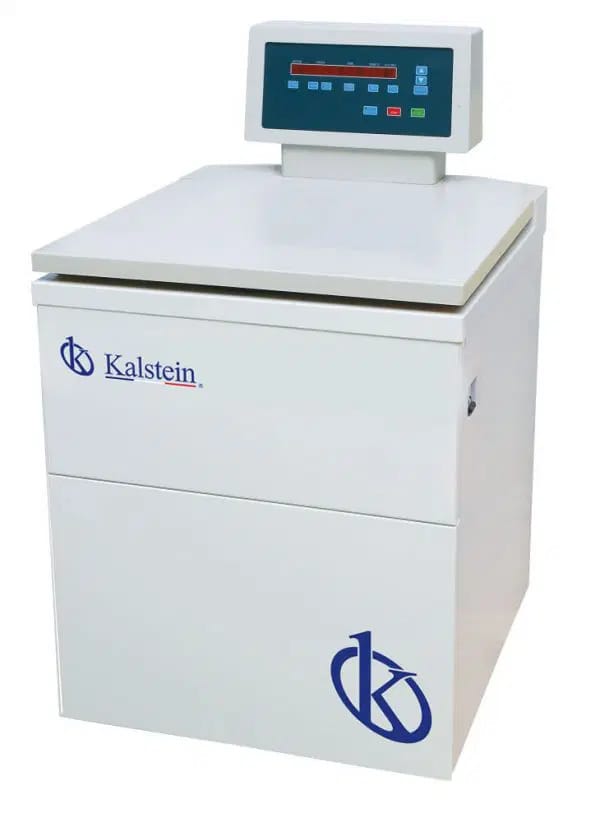
Non-refrigerated centrifuges are ideal for routine laboratory applications where temperature control is not critical. They are commonly used for separating blood components, pelleting cells, and other general laboratory tasks. These centrifuges offer reliability and efficiency for everyday use.
When selecting a non-refrigerated centrifuge, consider factors such as maximum speed, rotor capacity, and ease of use to ensure it meets your laboratory requirements.
Refrigerated centrifuges
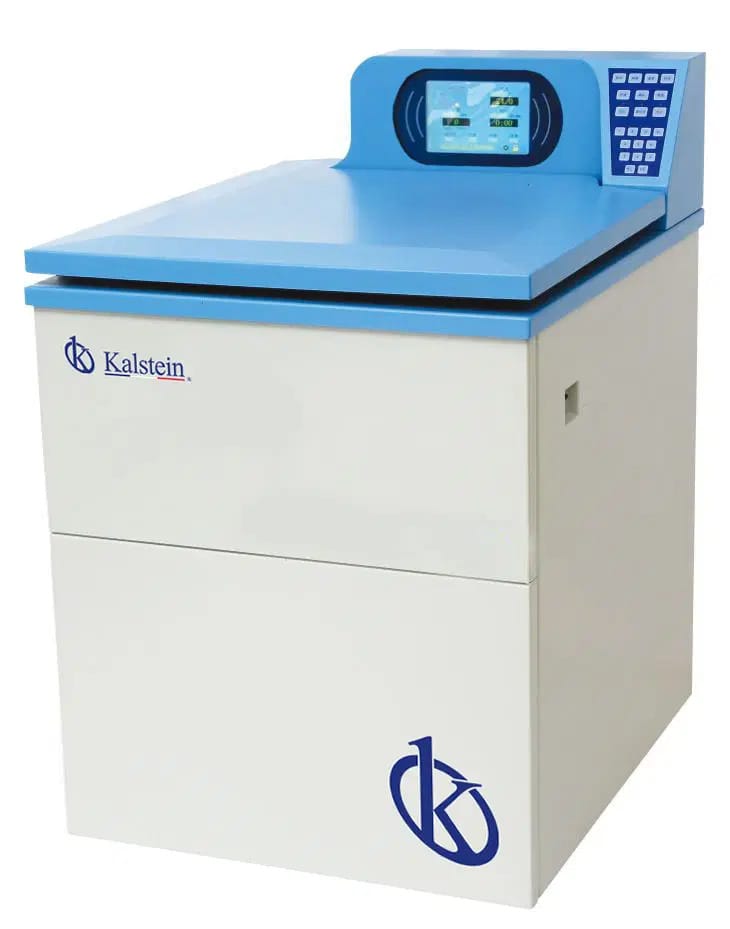
Refrigerated centrifuges are specifically designed to maintain low temperatures during the centrifugation process, making them suitable for sensitive biological samples that require temperature control. They are commonly used in research settings where sample integrity is paramount.
When choosing a refrigerated centrifuge, consider the temperature range, cooling efficiency, and rotor options available to suit your specific applications.
What you should know before selecting a centrifuges and making an investment
Key factors to consider
When selecting a centrifuge, consider factors such as the type of samples you will be processing, the required speed and capacity, and any specific features that may benefit your laboratory work. Assessing these elements ensures you make an informed decision that meets your research needs.
Additionally, consider the available space in your lab, as centrifuges come in various sizes and designs, which can impact their usability and integration into your workflow.
Market price range
The price of centrifuges can vary significantly based on their type, features, and brand. Generally, non-refrigerated centrifuges are more affordable than refrigerated models. Understanding the market price range helps you set a realistic budget for your investment in laboratory equipment.
It's essential to compare different models and manufacturers to find a centrifuge that offers the best value for your specific applications and budget constraints.
Value for money
Investing in a centrifuge should be seen as a long-term decision. It's vital to evaluate the performance, durability, and warranty options provided by different manufacturers. A higher initial investment in a quality centrifuge can result in lower maintenance costs and longer lifespan, ultimately offering better value for money.
Additionally, consider the potential for future upgrades or enhancements to ensure that your centrifuge remains relevant as your laboratory needs evolve.
Expected lifespan based on use and maintenance
The expected lifespan of a centrifuge greatly depends on its usage and maintenance. Regular servicing and proper usage can extend the life of your centrifuge, making it a wise investment for your laboratory. Understanding the maintenance requirements of different models can help you make an informed choice.
Also, consider the availability of replacement parts and technical support from the manufacturer to ensure uninterrupted operation throughout the centrifuge's lifespan.
CENTRIFUGES KALSTEIN
Discover centrifuges for your laboratory
Explore our range of high-quality centrifuges designed to meet the diverse needs of laboratories. Our products are engineered for precision and efficiency, ensuring reliable results for your research and diagnostic applications.
YR06919 High Speed Benchtop Centrifuge
The YR06919 High-Speed Benchtop Centrifuge is an essential piece of equipment for laboratories requiring high precision and efficiency in separating
View productOur best-selling centrifuges
YR06919 High Speed Benchtop Centrifuge
Frequently Asked Questions (FAQ)
- What is the maximum capacity of the YR06919 centrifuge?The YR06919 centrifuge can handle up to four 100 ml tubes at a time, making it suitable for a variety of laboratory applications.
- How is safety ensured during centrifuge operation?The equipment has an overspeed safety device and a blocked absorption sensor , guaranteeing safe operation at all times.
- Is it difficult to use?No, the centrifuge is equipped with an LCD screen and a microprocessor that allows for easy program setup. It also has memory options to store up to 99 different programs.
- How much noise does the centrifuge generate?The noise level is less than 65 dB(A) , which allows its use in work environments without causing disturbance.
Advantages and Disadvantages
Advantages:- High speed and precision : With a maximum speed of 18,500 rpm, it allows for fast and efficient procedures.
- Customization capability : Configuration of up to 99 programs with multiple phases, making it easy to adapt to different types of samples and protocols.
- Safety : Equipped with multiple levels of protection, including overspeed protection and absorption lock sensor.
- Advanced technology : LCD screen for quick setup and error logging, ideal for demanding laboratories.
- Weight : Weighing 32 kg , it can be somewhat difficult to move without help in small spaces.
- Energy consumption : Although efficient, the equipment has a power of 700W , which may impact long-term energy consumption in high-demand environments.
Product Use in the Field
The YR06919 centrifuge is ideal for a variety of laboratory applications, such as separating components in biological samples, conducting biotechnology studies, or analyzing clinical samples. Its high speed makes it perfect for tasks requiring speed and precision, such as medical research or diagnostic testing where turnaround times are crucial.Recommendations
To maximize the performance of the YR06919 centrifuge, it is important to follow these recommendations:Regular maintenance : Be sure to clean and check essential parts of the equipment, such as rotors and seals, to maintain optimal performance.Balanced load : Always ensure that the tubes in the centrifuge are balanced before operation to avoid damage to the motor and improve stability.Avoid overloading : Do not exceed the machine's maximum recommended capacity to ensure equipment durability and prevent potential failures.
Technical Specifications
| Model | YR06919 |
| Maximum speed | 18,500 rpm |
| Maximum RCF | 23,797 xg |
| Maximum Capacity | 4 x 100 ml |
| Speed Accuracy | ± 10 rpm |
| Time Range | 1 s – 99 min 59 s / 1 min – 99h 59 min |
| Noise Level | < 65 dB(A) |
| Voltage | AC 220V 50Hz 10A |
| Power | 700 W |
| Dimensions (LxWxH) | 340 x 460 x 330 mm |
| Net Weight | 32 kg |
Detailed analysis of centrifuges for an effective and safe choice
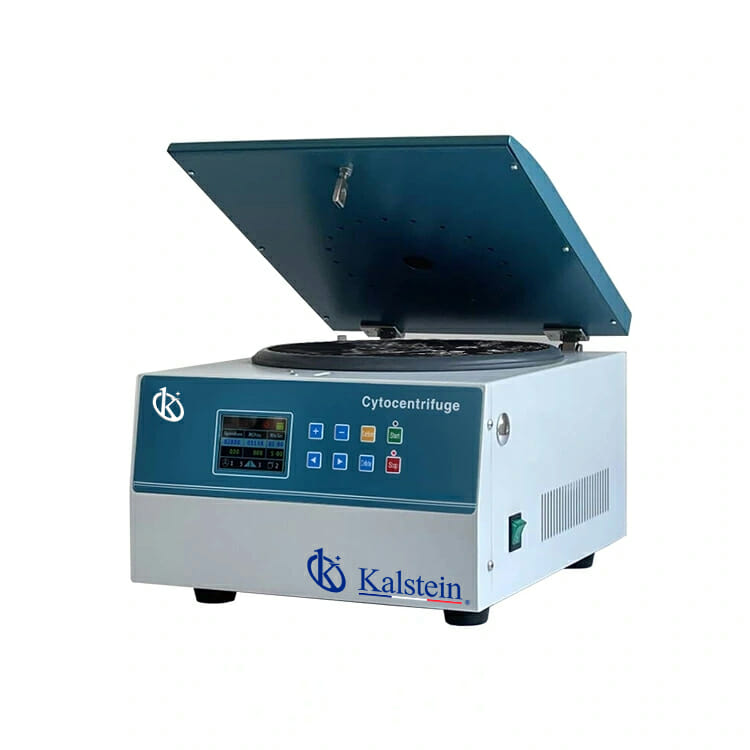
The Future in Laboratory Science: Non-Refrigerated Centrifuges and the Kalstein Advantage
Centrifugation is a vital technique for laboratory science. By applying a centrifugal force, samples can be separated into their individual components for detailed study. But not all centrifugations are the same: some require refrigeration, while others do not. Each manufacturer has its own vision of what the ideal equipment should be and how to sell it, but why choose non-refrigerated centrifugation?
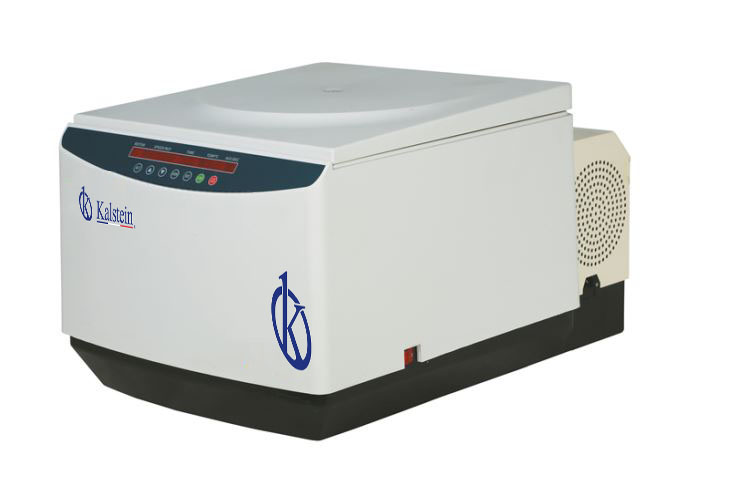
Comparative Analysis: Kalstein YR120 vs Hermle Z 36 HK Refrigerated Centrifuges
When it comes to high-performance refrigerated centrifuges, two products stand out in the market: the High-capacity Refrigerated Centrifuge YR120 by Kalstein and the Refrigerated Centrifuge Z 36 HK by Hermle. Both devices are designed to meet the demanding needs of laboratories and research facilities, but each one comes with its own set of features and advantages. The Kalstein YR120 boasts a rob
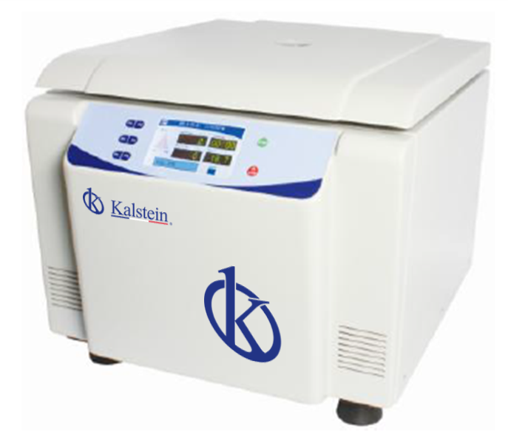
Exploring the World of Laboratory Centrifuges: Efficiency and Innovation with Kalstein
Laboratory Centrifuges, Brand Kalstein In the dynamic and ever-evolving world of laboratory equipment, centrifuges hold a pivotal role. Over the years, they have become indispensable in various scientific and medical settings due to their efficiency and versatility. When it comes to superior quality and performance, Kalstein's Laboratory Centrifuges stand out as an industry leader. Known for their
High-Speed Refrigerated Centrifuge Comparison: Kalstein YR0111-3 vs. Beckman Coulter Avanti J-15R
In the fast-paced world of laboratory research, high-speed refrigerated centrifuges are indispensable tools for scientists and researchers. Whether it's for separating cellular components, purifying proteins, or isolating nucleic acids, having the right centrifuge can make all the difference. In this article, we will take a closer look at two widely recognized products in the market: the High-
centrifuges offer catalog
Guides about centrifuges
Complete guides to choose centrifuges
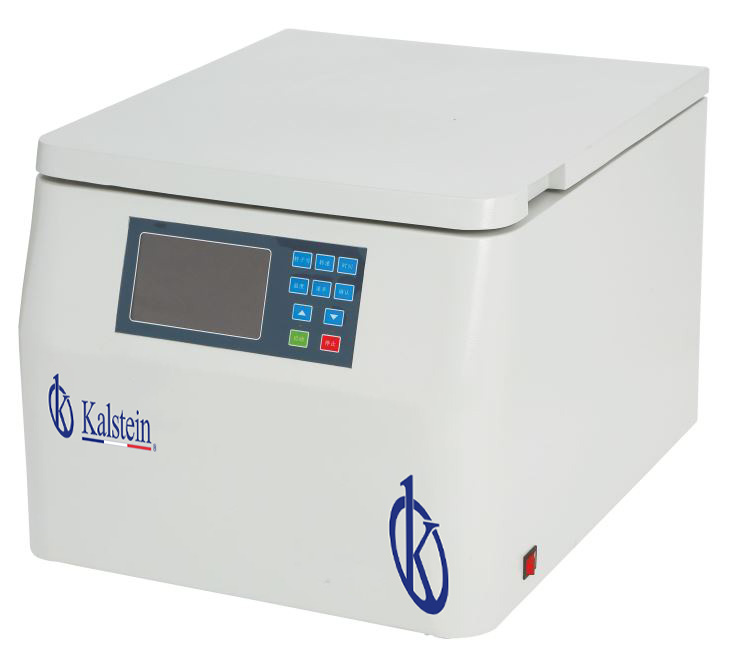
High-Speed Table Centrifuges: Kalstein YR137-2 vs. Eppendorf 5425
In the realm of laboratory equipment, centrifuges are indispensable tools that play a crucial role in separating substances based on density. Among the most notable in their category are the High-speed table centrifuge YR137-2 from Kalstein
Leer másUnveiling the Power of Laboratory Centrifuges: Efficiency and Innovation with Kalstein
Laboratory Centrifuges, Brand Kalstein In the world of scientific innovation and precision laboratory equipment, Kalstein has emerged as a pioneering brand that meets the diverse and demanding needs of modern laboratories. The Laboratory Ce
Leer más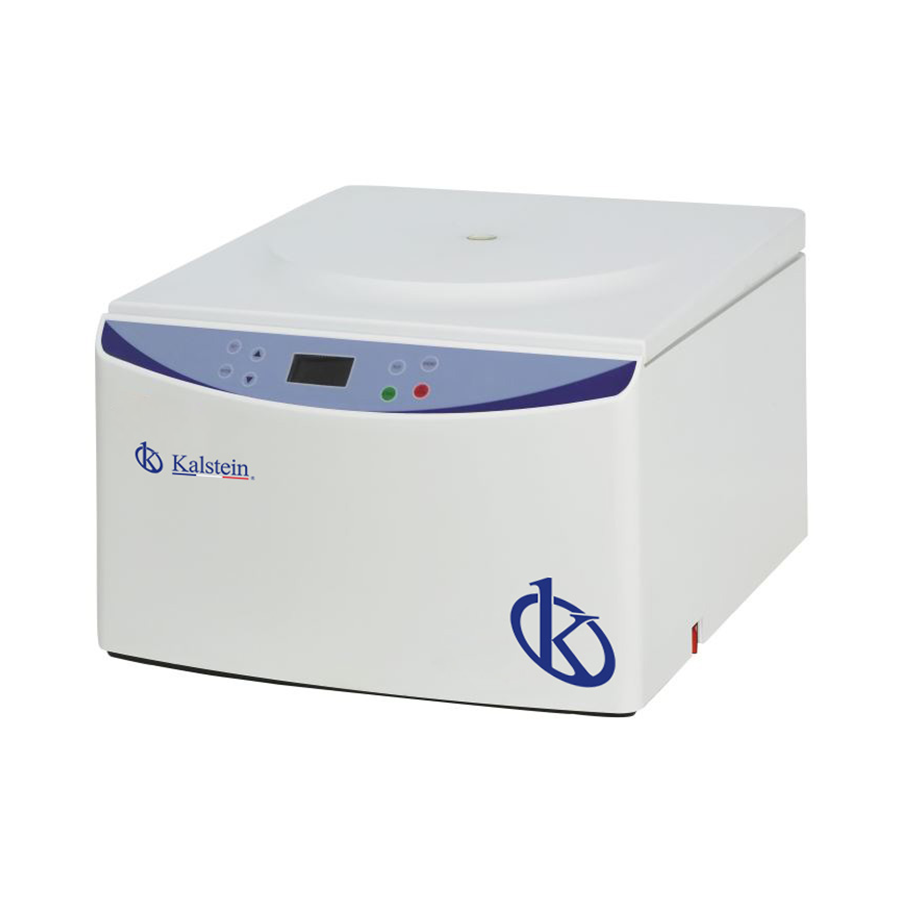
Advanced Gel Card Centrifuges: Kalstein YR142-3 vs. Hettich EBA 270
In the world of laboratory equipment, precision and reliability are paramount. Among the essential tools for laboratory professionals are gel card centrifuges. Today, we will delve into a comparative analysis between two renowned products:
Leer más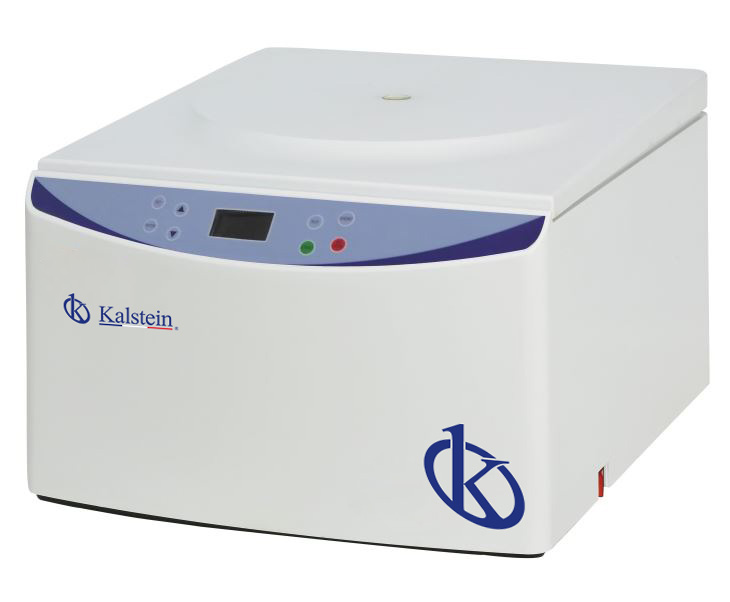
Comparative Analysis of Kalstein Speed Table Centrifuge YR131 and Hermle Centrifuge Z 216 MK: Advanced Laboratory Solutions
In the dynamic world of laboratory equipment, the Speed Table Centrifuge YR131 by Kalstein and the Centrifuge Z 216 MK by Hermle are standout performers known for their reliability and efficiency. Understanding their unique features and app
Leer másFrequently asked questions about Centrifuges
How to know the prices of Centrifuges?
To know the price of Centrifuges, please send us an email with your request through the contact form AQUI.
What are the delivery times for Centrifuges?
Delivery time depends on stock availability and freight type (air or sea). In stock: air 15-30 days, sea 45-60 days. Out of stock: air 30-60 days, sea 60-90 days.
How to make a purchase of Centrifuges?
You can buy by email ([email protected]), phone (+33 (0) 1 70 39 26 50) or through the official Kalstein website in your country.
How does the warranty work for Centrifuges?
All Kalstein equipment comes with a 1-year warranty against manufacturing defects. The warranty does not cover damage from improper installation or misuse. See our «terms and conditions» AQUI.
Can I request a quote online for Centrifuges?
Yes, you can request a quote for the Kalstein equipment you are interested in directly from our official website. Click AQUI.