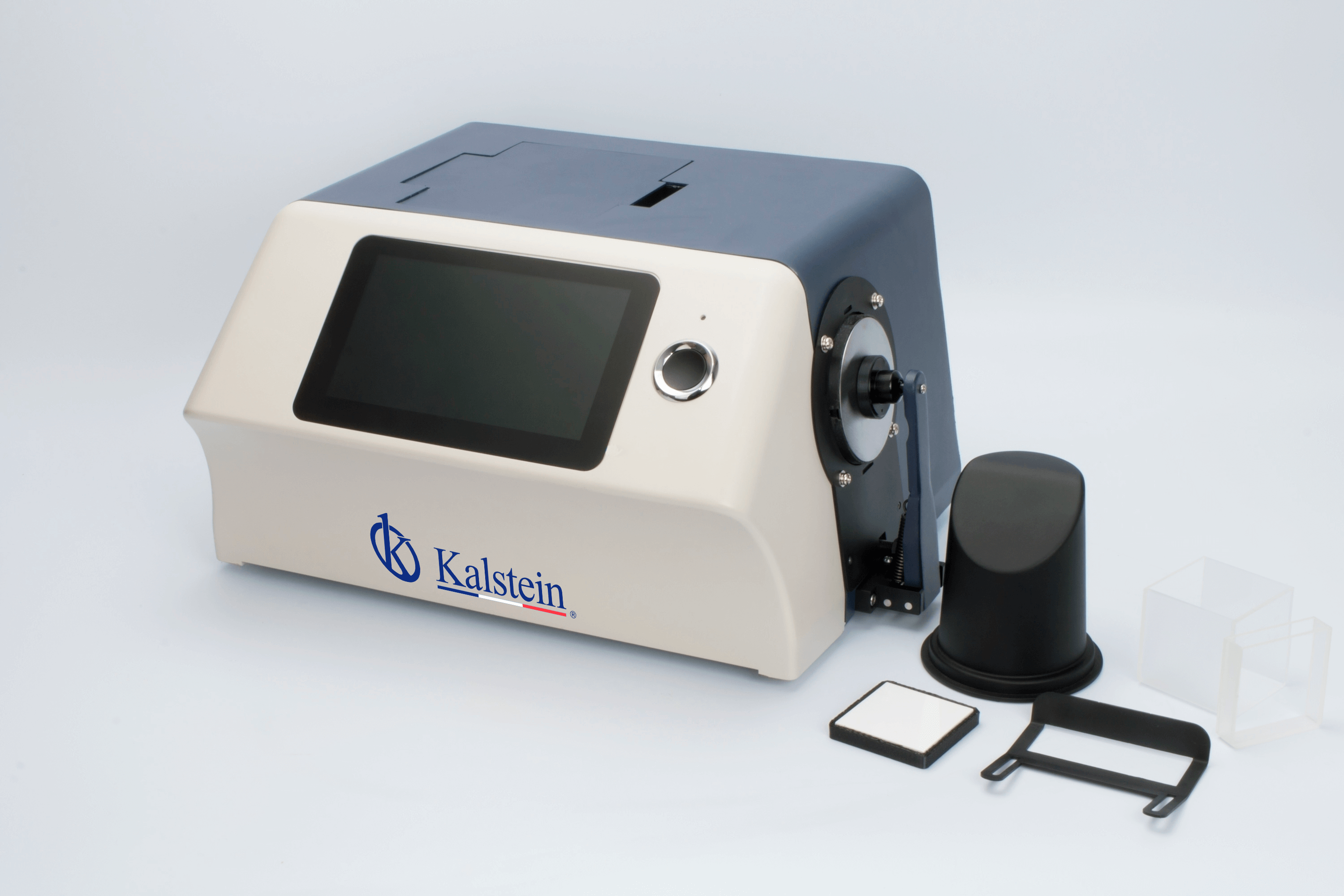
Interpreting Results and Reading Measurements with the YR05478 Spectrophotometer
The YR05478 benchtop spectrophotometer is designed for precise color measurement and interpretation in various industries, including textiles, paints, and more. This article focuses on how to effectively interpret results and read measurements from the YR05478, enhancing accuracy and reliability in analytical processes.
Overview of the YR05478 Spectrophotometer
The YR05478 is an advanced benchtop spectrophotometer equipped with a dual CMOS sensor and a stable xenon lamp. It provides precise measurements across a wavelength range of 360 nm to 780 nm, catering to various color measurement applications, including reflective and transmissive samples. The built-in temperature sensor ensures consistent results by compensating for environmental changes during measurements.
Technical Specifications of the YR05478
| Specification | Details |
|---|---|
| Model | YR05478 |
| Optical Geometry | Reflect: di:8°, de:8°; Transmit: di:0°, de:0° |
| Light Source | 360 nm to 780 nm, combined LED light |
| Measurement Aperture | Automatically identifies measurement aperture: Φ25.4mm, Φ8mm, Φ4mm |
| Measurement Modes | Quality management mode; sample mode |
| Data Storage | Up to 20,000 test results |
| Weight | Approx. 9.6 kg |
| Dimensions | 370 x 300 x 200 mm |
| Power Supply | AC 24V, 3A power adapter |
Understanding Measurement Units and Results
The YR05478 spectrophotometer measures color values using various indices, including CIE Lab, XYZ, and HunterLab. Understanding these measurement units is crucial for interpreting results correctly. Color differences are often represented as ΔE, indicating the perceptible difference between two colors. A ΔE value of less than 1 is generally imperceptible, while values above 3 are easily noticeable. Interpreting these values accurately helps in quality control, ensuring that products meet color specifications.
Common Misinterpretations of Measurement Results
Misinterpretations can occur due to improper calibration, environmental factors, or incorrect settings. For instance, failing to account for temperature variations can lead to inaccuracies in measurements. Operators should routinely calibrate the YR05478 using standard white plates to maintain accuracy. Additionally, understanding the effect of ambient light conditions on readings can prevent misleading results.
Practical Examples of Result Interpretation
Let’s explore some practical scenarios where the YR05478 is used:
- Textile Industry: A fabric sample may show a ΔE of 5 when compared against a standard. This indicates a significant color difference, prompting a review of dyeing processes.
- Paint Manufacturing: A batch of paint with a ΔE of 2.5 compared to the original formulation meets quality standards, confirming consistency in production.
- Food Industry: Color measurement in food products can indicate ripeness. A ΔE of 1.2 may indicate optimal ripeness for bananas.
Implementation of Quality Control Processes
Integrating the YR05478 into quality control processes involves establishing standard operating procedures (SOPs) for measurements. Regular training for operators ensures they understand how to interpret measurements and rectify any discrepancies promptly. Implementing a feedback loop wherein measurement data is analyzed for trends can help in continuous improvement of product quality.
Frequently Asked Questions
How do I calibrate the YR05478 spectrophotometer correctly?
Calibration involves using a standard white reference plate. Ensure the instrument is at the correct temperature and humidity levels before calibration. Follow the manufacturer's instructions for specific calibration procedures and frequency.
What factors affect the accuracy of measurements using the YR05478?
Environmental conditions such as temperature and humidity, improper calibration, and the presence of ambient light significantly affect measurement accuracy. Regular maintenance and calibration are essential for consistent results.
How can I interpret the ΔE values obtained from the YR05478?
ΔE values provide a quantitative measure of color difference; values under 1 are generally imperceptible, while values above 3 indicate noticeable differences. Use these values to assess quality control in manufacturing processes.
What is the importance of using the correct measurement aperture?
The measurement aperture impacts the area of the sample being analyzed and can influence the accuracy of readings. It is crucial to select the appropriate aperture based on the sample type and testing requirements.
Can the YR05478 be used for both reflective and transmissive samples?
Yes, the YR05478 is equipped to measure both reflective and transmissive samples, making it versatile for various applications across industries.
How do I store and retrieve measurement data from the YR05478?
The YR05478 allows storage of up to 20,000 test results. Data can be retrieved via USB or printed directly from the device. Ensure regular backing up of data for long-term analysis.
What industries benefit from using the YR05478 spectrophotometer?
Industries such as textiles, paints, food manufacturing, and printing benefit significantly from the YR05478 spectrophotometer as it provides accurate color measurements essential for quality control.
If you are looking for a fusion of innovation and quality, you have come to the right place. At Kalstein, we offer you the luxury of exploring our exclusive catalog of laboratory equipment. We manufacture every device to the highest standards of excellence. Our intuitive and seamless online purchasing channels are designed for your convenience, securing the most competitive prices. Hesitate no longer — we bring science to life, it is time to become part of our community.