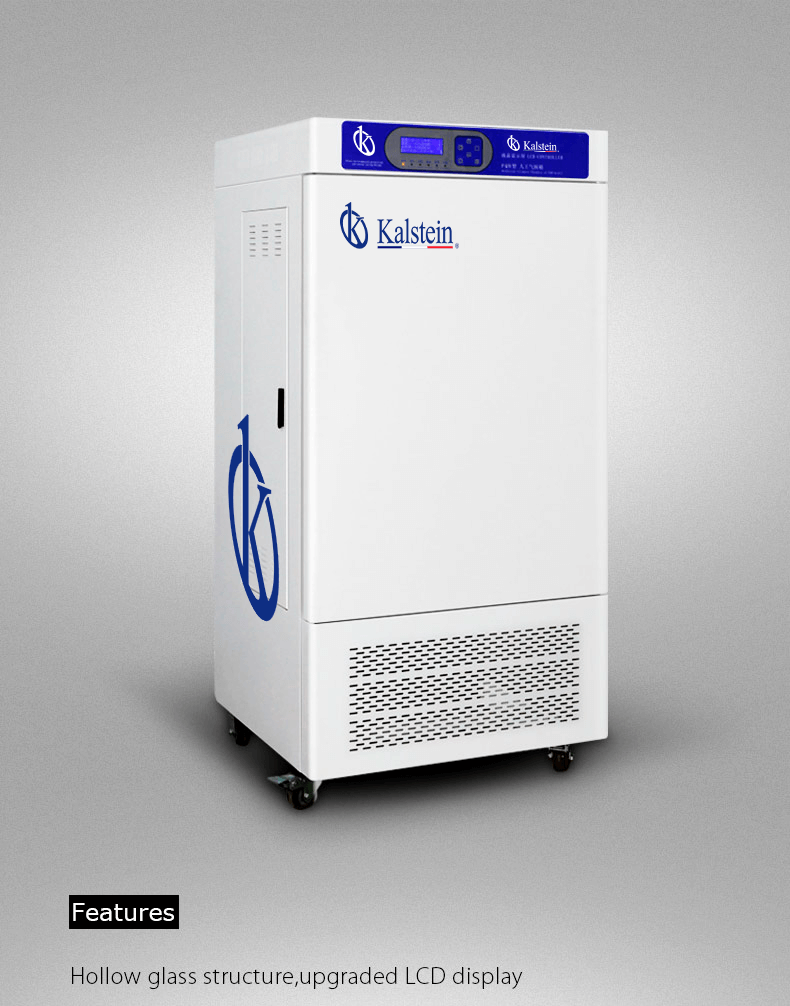
Plant Growth Chambers: Common Mistakes and How to Avoid Them in Daily Operation 2026
What is it used for in 2026
In 2026, Plant Growth Chambers are invaluable for a wide range of applications in laboratories focused on biology, agriculture, and environmental studies. These enclosed environments allow scientists to control temperature, light intensity, and humidity, creating ideal conditions for plant growth and experimentation. Typical uses include seed germination, plant breeding studies, and various biological experiments involving microorganisms and insects.
History and evolution of the technology
The concept of controlled environment chambers dates back several decades. Initially utilized for agricultural research, advancements in technology have led to modern Plant Growth Chambers being equipped with sophisticated climate control systems. Over the years, the introduction of LED lighting, automated monitoring systems, and improved insulation techniques has enhanced energy efficiency and usability, making these chambers essential tools in contemporary laboratories.
How to use it step by step
Using a Plant Growth Chamber effectively entails several critical steps:
- Setup: Position the chamber in a stable, temperature-controlled environment away from direct sunlight or external temperature fluctuations.
- Calibration: Set the desired temperature, light intensity, and humidity levels according to the specific needs of the plants.
- Loading: Introduce the plants or samples into the chamber carefully, ensuring adequate spacing for air circulation.
- Monitoring: Regularly monitor the environmental conditions using the built-in sensors or an external monitoring system.
- Adjustments: Modify the settings based on the observed plant responses to optimize growth conditions.
- Documentation: Keep detailed records of environmental settings and plant growth data for analysis.
Best techniques and protocols
To ensure optimal results, it is crucial to follow established techniques and protocols:
- Use appropriate light spectra for different growth stages, adjusting the light intensity based on the species.
- Implement strict hygiene protocols to avoid contamination from pathogens and pests.
- Maintain consistent monitoring and data logging for effective experimental analysis.
- Schedule regular maintenance checks to ensure all systems function correctly.
Practical applications by laboratory type
Different laboratories utilize Plant Growth Chambers for specific applications:
- Agricultural Research Laboratories: Conduct studies on crop genetics and plant traits under controlled conditions.
- Pharmaceutical Labs: Investigate the effects of plant-derived compounds on various biological processes.
- Biotechnology Labs: Utilize the chambers for tissue culture and micropropagation of plants.
- Environmental Science Labs: Study the impact of climate variables on plant growth and development.
Regulations, standards and certifications
Plant Growth Chambers must comply with various regulations and standards to ensure safety and efficiency. It is essential to adhere to guidelines from organizations such as ASTM International and ISO. These standards provide frameworks for the design, construction, and operation of laboratory equipment, promoting reliability and reproducibility in research outcomes.
Comparison with alternative technologies
While Plant Growth Chambers provide controlled environments, alternative technologies include:
- Greenhouses: Offer natural light and ventilation but lack precise control over environmental conditions.
- Growth Tents: Provide a portable solution with some control capabilities but often lack the robustness of chamber systems.
- Controlled Environment Agriculture (CEA): A more complex system that integrates multiple technologies, offering advanced control but at higher costs.
Comparison of available models
| Model | Best for | Key specs | Recommended use case |
|---|---|---|---|
| YR05331 | Seed Germination | Temperature Range: 10~50℃, Illumination: 0~10000 LX | Ideal for small scale plant growth experiments |
| YR05332 | Bacterial Growth | Temperature Range: 10~50℃, Illumination: 0~15000 LX | Suitable for microbiological studies requiring light |
| YR05333 | Insect Feeding Studies | Temperature Range: 10~50℃, Illumination: 0~15000 LX | Best for experiments involving insect and animal feed development |
Common mistakes and how to avoid them
When operating Plant Growth Chambers, several common mistakes can hinder results:
- Inadequate Calibration: Always ensure that temperature and light settings are recalibrated regularly to maintain accuracy.
- Overcrowding: Avoid placing too many samples within the chamber to ensure proper air circulation.
- Ignoring Environmental Feedback: Adjust settings based on observed plant responses, not just pre-determined protocols.
- Lack of Maintenance: Schedule regular checks to ensure all systems are functioning optimally.
Maintenance, calibration and good practices 2026
Regular maintenance of Plant Growth Chambers is crucial. Key practices include:
- Conducting monthly checks of the cooling and heating systems.
- Calibrating sensors quarterly to ensure accurate readings.
- Cleaning the interior and external surfaces weekly to prevent contamination.
- Training laboratory personnel on proper operating procedures and maintenance schedules.
Cost-benefit analysis 2026
Investing in a Plant Growth Chamber can offer significant returns through enhanced research capabilities. Considerations include:
- Initial investment costs versus long-term savings from reduced experimental failures.
- Potential for increased productivity and faster research cycles.
- Ability to conduct high-quality experiments leading to more reliable results and publications.
Frequently asked questions
How do I choose the right Plant Growth Chamber for my laboratory?
Choosing the right chamber requires assessing your specific needs, such as the types of plants you will grow, required temperature ranges, and light intensity. Consider models with flexible configurations and features that suit your research objectives.
What are the most common mistakes when using Plant Growth Chambers?
Common mistakes include improper calibration, overcrowding, and failing to adjust environmental settings based on plant feedback. Regular monitoring and maintenance can help mitigate these issues.
How often should I calibrate my Plant Growth Chamber?
It is recommended to calibrate the chamber at least quarterly or whenever significant changes in environmental conditions are made to ensure accuracy and reliability.
Can Plant Growth Chambers be used for both plants and microorganisms?
Yes, many chambers are versatile enough to support both plant growth and microbial studies, provided the environmental settings are adjusted according to the specific requirements of each.
What maintenance practices should I follow for longevity?
Regular maintenance should include cleaning, sensor calibration, and system checks. Establishing a routine maintenance schedule is key to ensuring optimal operation and longevity.
How can I improve the efficiency of my Plant Growth Chamber?
Improving efficiency can be achieved by optimizing the light spectrum used, ensuring proper ventilation, and regularly monitoring the environmental conditions.
Where can I find a reliable supplier for Plant Growth Chambers?
For a reliable supplier, consider reaching out to reputable manufacturers who specialize in laboratory equipment, as they often provide quality products alongside warranty and support services.
If you are looking for a fusion of innovation and quality, you have come to the right place. At Kalstein, we offer you the luxury of exploring our exclusive catalog of laboratory equipment. We manufacture every device to the highest standards of excellence. Our intuitive and seamless online purchasing channels are designed for your convenience, securing the most competitive prices. Hesitate no longer — we bring science to life, it is time to become part of our community.