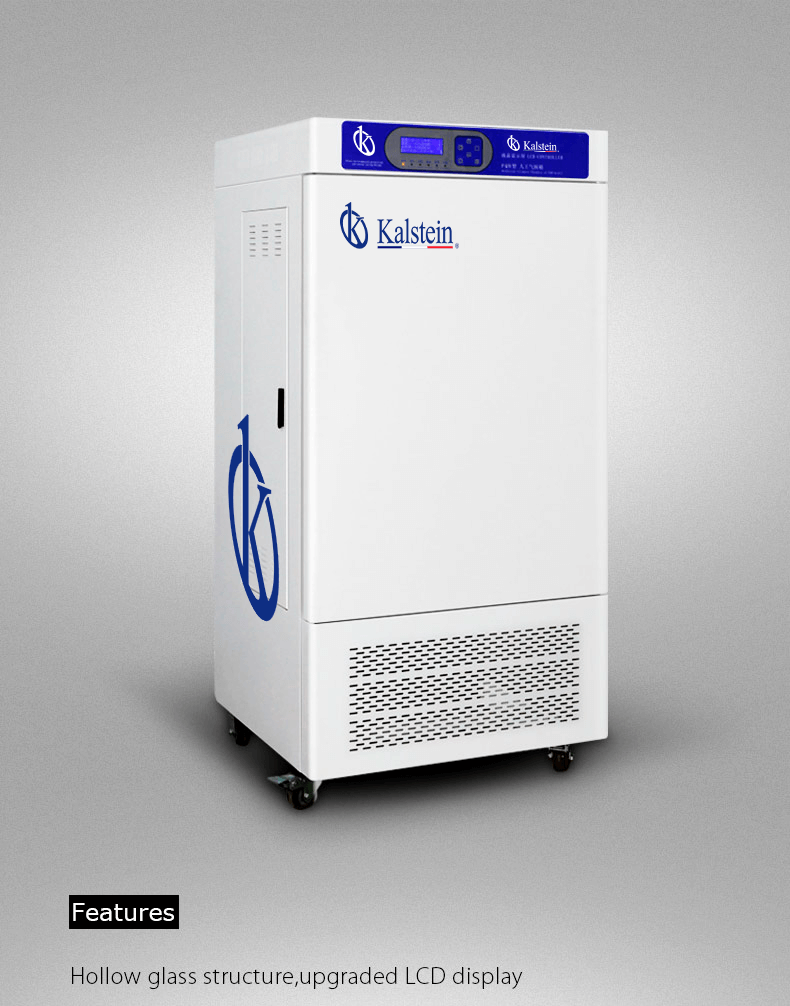
How to Implement Predictive Maintenance and Periodic Calibration in Plant Growth Chambers
Ensuring optimal performance in laboratory settings, plant growth chambers are essential for various applications like seed germination, microbiological studies, and agricultural experiments. This article delves into the importance of predictive maintenance and periodic calibration, exploring how these practices can enhance the reliability, efficiency, and accuracy of plant growth chambers.
Understanding Predictive Maintenance in Plant Growth Chambers
Predictive maintenance is a proactive approach that utilizes data analysis tools and techniques to predict equipment failures before they occur. The focus is on monitoring the performance of plant growth chambers, allowing laboratory professionals to take corrective actions before malfunctions disrupt experiments.
Key benefits include reduced downtime, lower maintenance costs, and extended equipment life. Utilizing predictive maintenance techniques can help identify potential issues in essential components such as temperature control systems, lighting mechanisms, and humidity regulators.
Periodic Calibration: Ensuring Accuracy in Measurements
Calibration is a critical practice for maintaining the accuracy of plant growth chambers. Periodic calibration ensures that the temperature, humidity, and light levels within the chamber are accurately measured and controlled.
For instance, calibration schedules should align with specific operational needs and regulatory requirements, such as ISO 17025. This standard emphasizes the importance of consistent accuracy in testing and measurement. Regular calibration helps laboratories adhere to these standards, providing confidence in experimental results.
Comparison of Available Models
| Model Code | Temperature Range (°C) | Lighting (LX) | Power (W) | Volume (L) | Price (USD) |
|---|---|---|---|---|---|
| YR05331 | 10~50 (with light), 5~60 (without light) | 0~10000 | 900 | 150 | 1015.00 |
| YR05332 | 10~50 (with light), 5~60 (without light) | 0~15000 | 1000 | 250 | 1270.00 |
| YR05333 | 10~50 (with light), 5~60 (without light) | 0~15000 | 1200 | 350 | 1700.00 |
Common Mistakes and How to Avoid Them
Laboratory professionals often make mistakes in maintaining plant growth chambers, which can lead to compromised research results. One common error is neglecting regular calibration. Ensure that calibration is performed at predetermined intervals based on the chamber's usage frequency and the specific requirements of the experiments.
Another mistake is overlooking the environmental factors affecting chamber performance. Regularly monitor and document conditions to identify patterns that may require adjustments in maintenance strategies.
Implementing a Calibration Schedule
Establishing a calibration schedule is crucial for maintaining the reliability of plant growth chambers. A well-structured plan should cover elements such as:
- Frequency of calibration (monthly, quarterly, or annually)
- Documentation of calibration results and any identified deviations
- Training personnel on calibration procedures
For example, calibrating the Lighting (ray radiation) Incubator YR05331 at regular intervals ensures that the temperature and light levels remain consistent within specified tolerances.
Best Practices for Predictive Maintenance
Successful predictive maintenance requires a strategic approach. Incorporate the following best practices:
- Utilize monitoring tools to track performance metrics continuously.
- Analyze data trends to identify potential issues before they escalate.
- Establish a responsive maintenance plan that includes immediate actions based on alerts.
Implementing these practices can significantly enhance the operational reliability of models like YR05332 and YR05333.
Regulatory Compliance and Calibration
Regulatory compliance is paramount in laboratory settings. Plant growth chambers must comply with standards such as ISO 17025, which requires that measurement accuracy and calibration practices be documented and verifiable.
The regular calibration of equipment like the YR05333 ensures adherence to these regulations, protecting the integrity of experimental results and laboratory accreditation.
Frequently Asked Questions
What is the best calibration frequency for plant growth chambers in laboratories?
The best calibration frequency for plant growth chambers, such as the YR05331, typically ranges from monthly to quarterly, depending on usage and specific experiment requirements. Regular checks ensure that temperature and lighting are consistent, maintaining the integrity of experimental data.
How does predictive maintenance benefit plant growth chambers?
Predictive maintenance benefits plant growth chambers by preventing unexpected failures and reducing downtime. By monitoring key performance indicators, laboratories can ensure the reliable operation of models like YR05332, thus enhancing experimental outcomes and efficiency.
Which standards should be considered for calibrating plant growth chambers?
Calibration of plant growth chambers should adhere to standards like ISO 17025, which emphasizes the importance of measurement accuracy. Ensuring models like YR05333 comply with these standards enhances laboratory credibility and reliability in results.
What are the consequences of not calibrating plant growth chambers regularly?
Failure to calibrate plant growth chambers regularly, such as the YR05331, can lead to inaccurate temperature and light conditions, resulting in compromised experimental results and potential research setbacks. Regular calibration ensures consistent performance and reliability.
How can I integrate predictive maintenance into my laboratory practices?
Integrating predictive maintenance involves adopting monitoring technologies to track the performance of plant growth chambers, like the YR05332. By analyzing data trends, laboratories can anticipate maintenance needs and minimize unexpected equipment failures.
What is the ideal environment for plant growth chambers during calibration?
The ideal environment for calibrating plant growth chambers, including the YR05333, is one where external factors such as humidity and ambient temperature are controlled. This ensures that calibration results accurately reflect the chamber’s performance without external interference.
What maintenance strategies are recommended for plant growth chambers?
Recommended maintenance strategies for plant growth chambers include regular calibration, monitoring performance metrics, and implementing predictive maintenance programs. For instance, ensuring the YR05331 is routinely checked can prolong its lifespan and operational efficiency.
If you are looking for a fusion of innovation and quality, you have come to the right place. At Kalstein, we offer you the luxury of exploring our exclusive catalog of laboratory equipment. We manufacture every device to the highest standards of excellence. Our intuitive and seamless online purchasing channels are designed for your convenience, securing the most competitive prices. Hesitate no longer — we bring science to life, it is time to become part of our community.