

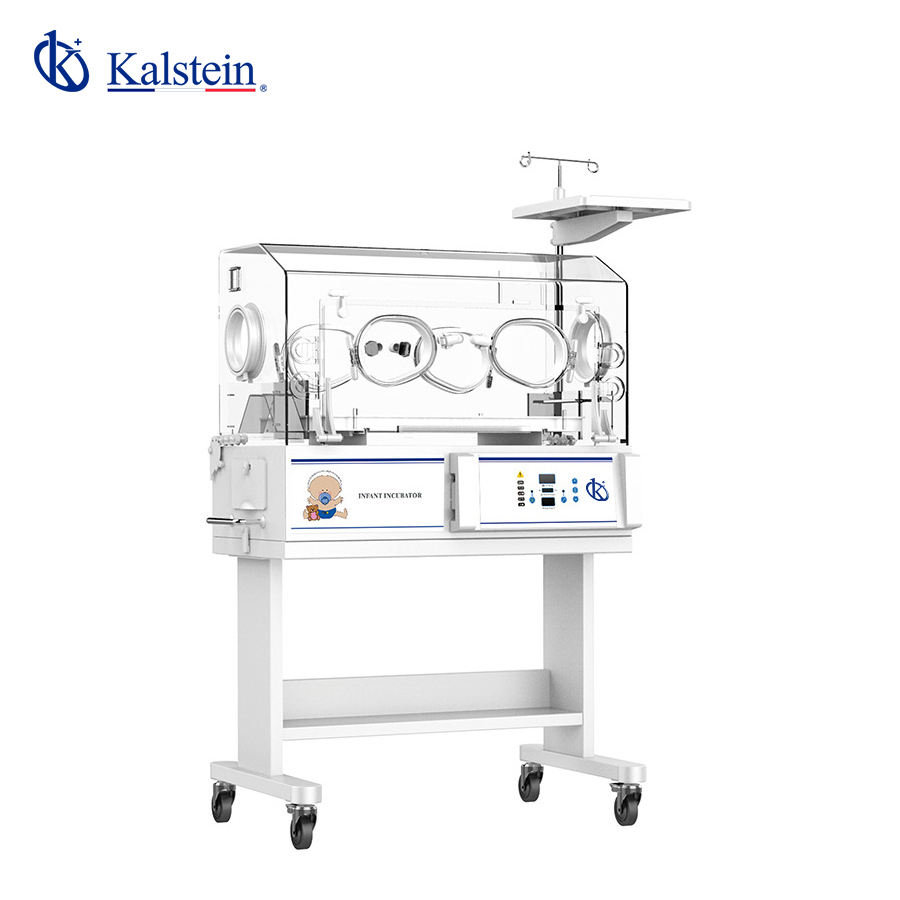
Infant Phototherapy Incubator, Brand Kalstein
When it comes to neonatal care, the Infant Phototherapy Incubator by Kalstein stands out as a model of innovation and efficiency. Having had the opportunity to observe these machines closely, I’ve witnessed their impact on improving infant health outcomes. The incubator serves a dual purpose, providing a stable environment for the infant while simultaneously treating jaundice through phototherapy.
This product is especially crucial in neonatal units, where time and precision are of the essence. With its advanced technology and intuitive design, the Kalstein infant incubator offers healthcare professionals the tools they need to offer the best care possible. The feedback from healthcare professionals consistently highlights its reliability and versatility in various clinical settings.
Features of the Infant Phototherapy Incubator
The Infant Phototherapy Incubator comes equipped with an array of features that set it apart from traditional incubators. Most notably, its integration of phototherapy ensures that infants with jaundice receive the treatment they need without having to be moved to a separate device. This integration not only saves space but also streamlines care processes.
Moreover, the incubator is designed with precise temperature control, which is vital for maintaining an optimal environment for premature or ill infants. Additional features include a user-friendly interface, adjustable light intensity, and a compact, ergonomic design that facilitates ease of access and movement in busy neonatal units.
Different Types or Models of the Infant Phototherapy Incubator
Kalstein offers several models of the Infant Phototherapy Incubator, each designed to meet varying clinical needs. These models differ primarily in their interface options, size, and additional functionalities such as advanced monitoring systems. Each variant, however, carries the hallmark of quality and robustness associated with the brand.
For example, some models are equipped with enhanced monitoring capabilities, offering real-time data on the infant’s condition, which is displayed on a digital screen. Other models are more compact, making them ideal for smaller healthcare facilities or for use in mobile healthcare units.
Why Is Infant Phototherapy Incubator Priced As It Is?
The pricing of the Infant Phototherapy Incubator reflects several key aspects. Firstly, the integration of phototherapy within the incubator itself eliminates the need for separate devices, justifying a higher initial cost. Additionally, the use of cutting-edge technology and high-quality materials in its construction ensures durability and long-term usability, making it a valuable investment for hospitals.
Furthermore, the costs associated with research and development, along with rigorous testing to meet international medical standards, contribute to its price. This pricing strategy ensures both the innovation and the reliability that healthcare providers count on in critical care environments.
Comparing Infant Phototherapy Incubator with Similar Products
When compared to similar products, the Infant Phototherapy Incubator by Kalstein typically outshines in terms of versatility and integrated technology. For instance, in comparison to the incubators offered by GE Healthcare and Dräger, Kalstein’s model provides an all-in-one solution that combines phototherapy with incubation.
While Philips also offers phototherapy devices, they often come as separate units from their incubators, whereas Kalstein combines these functionalities into one compact and efficient product. This integration is key for settings where space and logistical efficiency are crucial.
Pros and Cons of the Infant Phototherapy Incubator
| Pros | Cons |
|---|---|
| Integrated phototherapy treatment | Higher initial purchase cost |
| Precise temperature control | Requires trained staff for operation |
| User-friendly interface | Not as portable as standalone phototherapy devices |
| Compact design | May require additional maintenance |
| Ergonomic access for healthcare workers | Limited availability outside major distributors |
| Real-time monitoring systems | High dependency on power supply |
| Durable and reliable | |
| Highly customizable models |
Benefits of Using These Infant Phototherapy Incubators
The primary benefit of these incubators is their dual-functionality, combining phototherapy and environmental control for infants. This feature can significantly enhance the efficiency of neonatal care by reducing the need for multiple devices and transfers of the infant, which in turn minimizes handling stress.
Moreover, the compact and ergonomic design ensures that medical personnel can easily access the infant, thus making routine checks and necessary interventions swift and straightforward. This design philosophy prioritizes both the comfort of the child and the operational efficiency of healthcare providers.
Other Advantages of the Infant Phototherapy Incubator
These incubators also boast energy-efficient designs that minimize electricity consumption without compromising performance. Their robust construction using high-grade materials ensures longevity and reduces the frequency of repairs or replacements required, which is vital for healthcare facilities operating under budget constraints.
Kalstein’s commitment to technological innovation means that these incubators are always at the forefront of neonatal care solutions. This constant evolution ensures that the devices adapt rapidly to new medical insights and standards, providing caregivers with the tools they need for effective treatment.
User References on the Infant Phototherapy Incubator
Feedback from medical professionals who have used these incubators is overwhelmingly positive. Many highlight how the integrated phototherapy reduces infant movement and exposure to different environments, which is beneficial for their health and accelerates recovery.
Users also appreciate the machine’s durability and ease of use, noting that its intuitive interface requires minimal training time for new staff, thereby streamlining hospital operations during critical periods.
Frequently Asked Questions
How does the integrated phototherapy work?
Integrated phototherapy utilizes light therapy to treat jaundice directly within the incubator, providing a seamless care environment for newborns.
What makes this incubator different from others?
Its unique combination of incubation and phototherapy in one unit is a standout feature, offering both convenience and effectiveness.
Is the incubator easy to operate?
Yes, the user-friendly interface is designed to be intuitive and straightforward, making it easy for medical professionals to operate.
What are the power requirements?
The incubator operates on standard hospital power supplies and is designed to be energy-efficient, reducing overall electricity consumption.
Can it be customized?
Yes, there are customizable options available to suit specific requirements and preferences of different healthcare facilities.
What support is available after purchase?
Kalstein offers dedicated customer service and maintenance support, ensuring your equipment remains in optimal condition.
Final Recommendations on These Infant Phototherapy Incubators
In conclusion, the Infant Phototherapy Incubator by Kalstein presents a compelling option for any medical facility focused on neonatal care. Its integrated technology and user-centric design provide an efficient and reliable tool for managing and treating infants with jaundice and other conditions requiring stable environments.
If you’re considering investing in neonatal care equipment, this incubator is an excellent choice that balances functionality and innovation. For more details, you can explore the official product page: https://kalstein.co.in/category-product/medical-line/infant-phototherapy-incubator/