

What are the differences between N-type and B-type autoclaves?
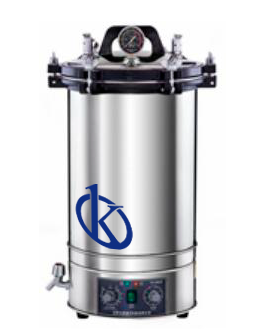
An autoclave is a cylindrical instrument, vertical or horizontal, designed to work with a high internal pressure, and used to sterilize materials and instruments using water vapor at high pressure and temperature. This equipment consists of a metal container with thick walls and hermetic closure, which allows sterilizing under high pressure, ensuring maximum disinfection of all clinical, laboratory, and dental materials.
What is an autoclave?
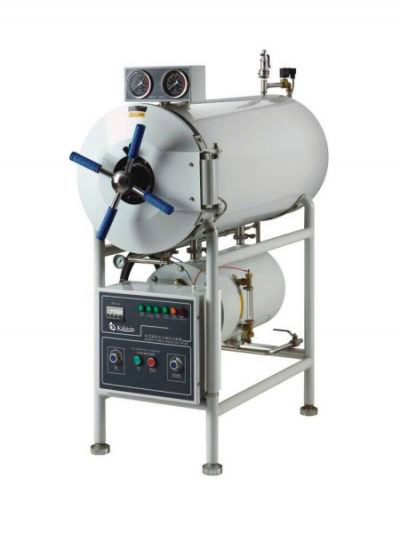
An autoclave is a piece of equipment used to sterilize medical or laboratory material, using steam under pressure and temperature as sterilizing agents. This makes it possible to eliminate any trace of viruses, bacteria, fungi and spores in the materials, liquids or solids that are placed inside.
What are the Sterilization Systems offered by the Bacticinerator?

A Bacticinerator is a laboratory machine designed to sterilize and discard inoculation handles. Inoculation loops are generally used to handle hazardous biological samples in a laboratory. They are essential for safe work in a laboratory, as they prevent cross-contamination of samples. An inoculation handle incinerator works by burning the handles in a combustion chamber, at a temperature that is high enough to destroy all living organisms.
Advantages in the use of Bacticinerator for Infectology Units
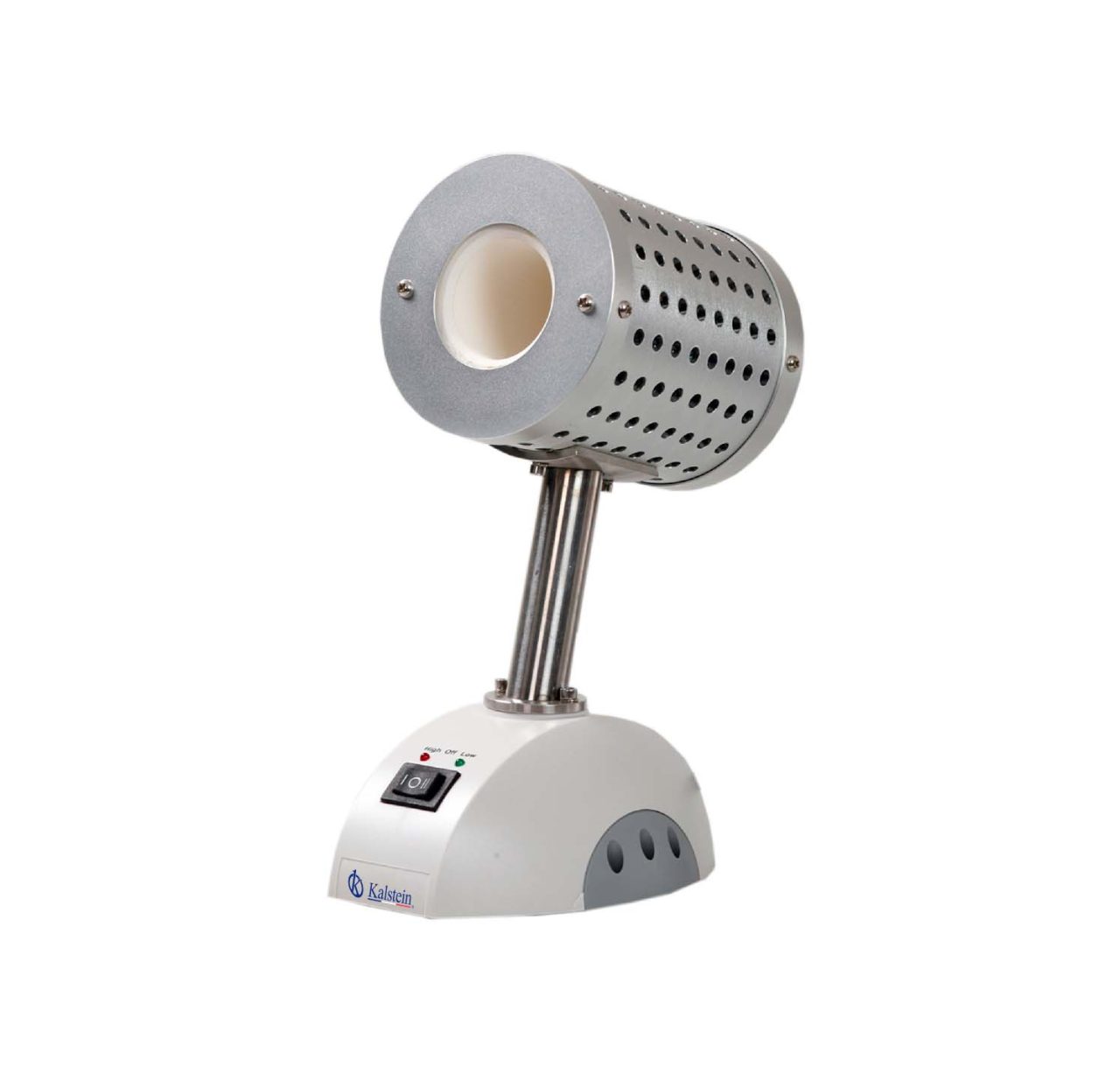
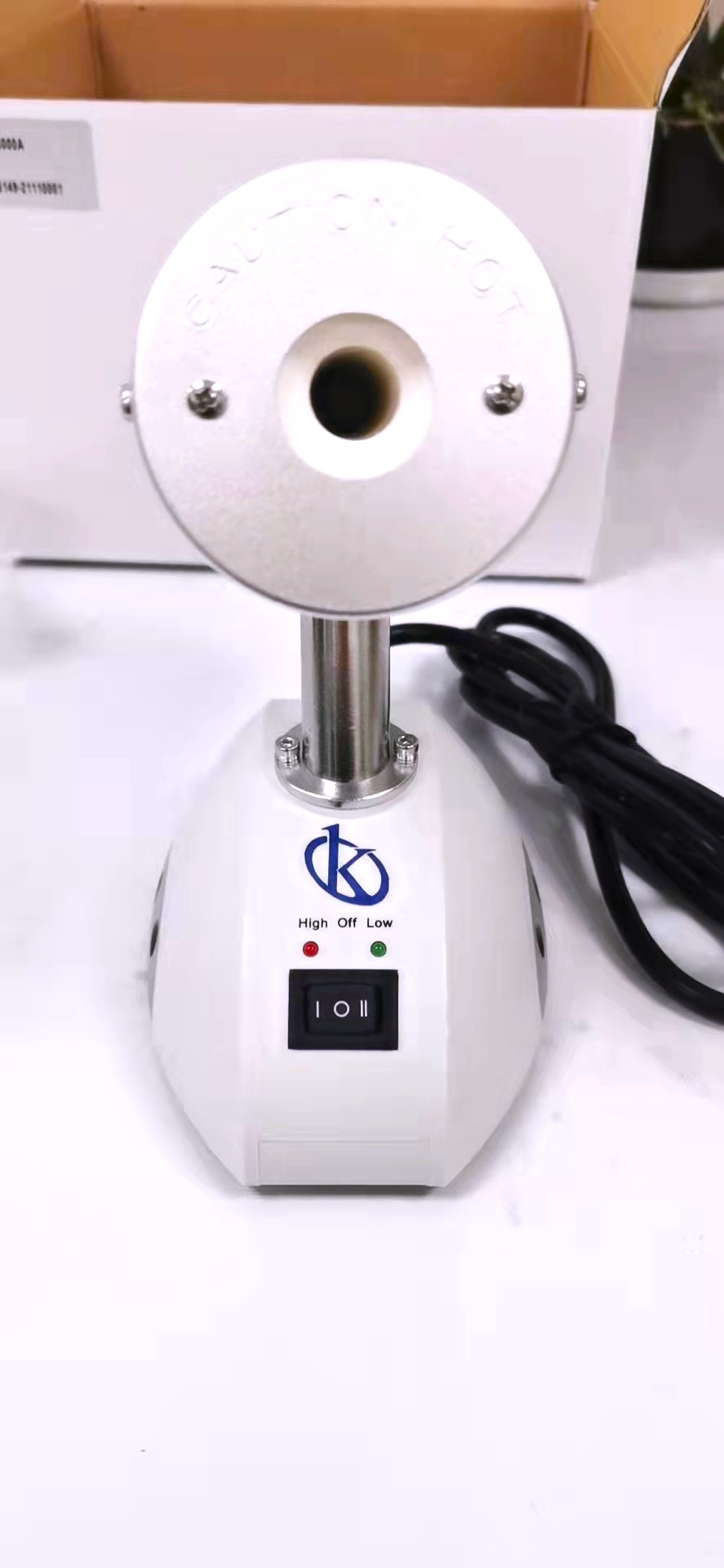
The Bacticinerador, is a equipment that sterilizes the handles used in laboratories, in charge of eliminating bacteria by infrared heat originated by a central ceramic mechanism. This equipment contains no fuel and certifies maximum sterility without splashing on the work surface. Heat is respected as the means of sterilization par excellence, as long as the material withstands high temperatures without suffering any damage. Complete sterilization occurs in 5-7 seconds, at a temperature of 815.6°C (1500°F). It is constituted as a sterilization protector, for greater safety in handling the material and any remaining remaining in the smooth area of the quartz tube, can be easily removed.
Using the Bacticinerator for the Cosmetic Laboratory
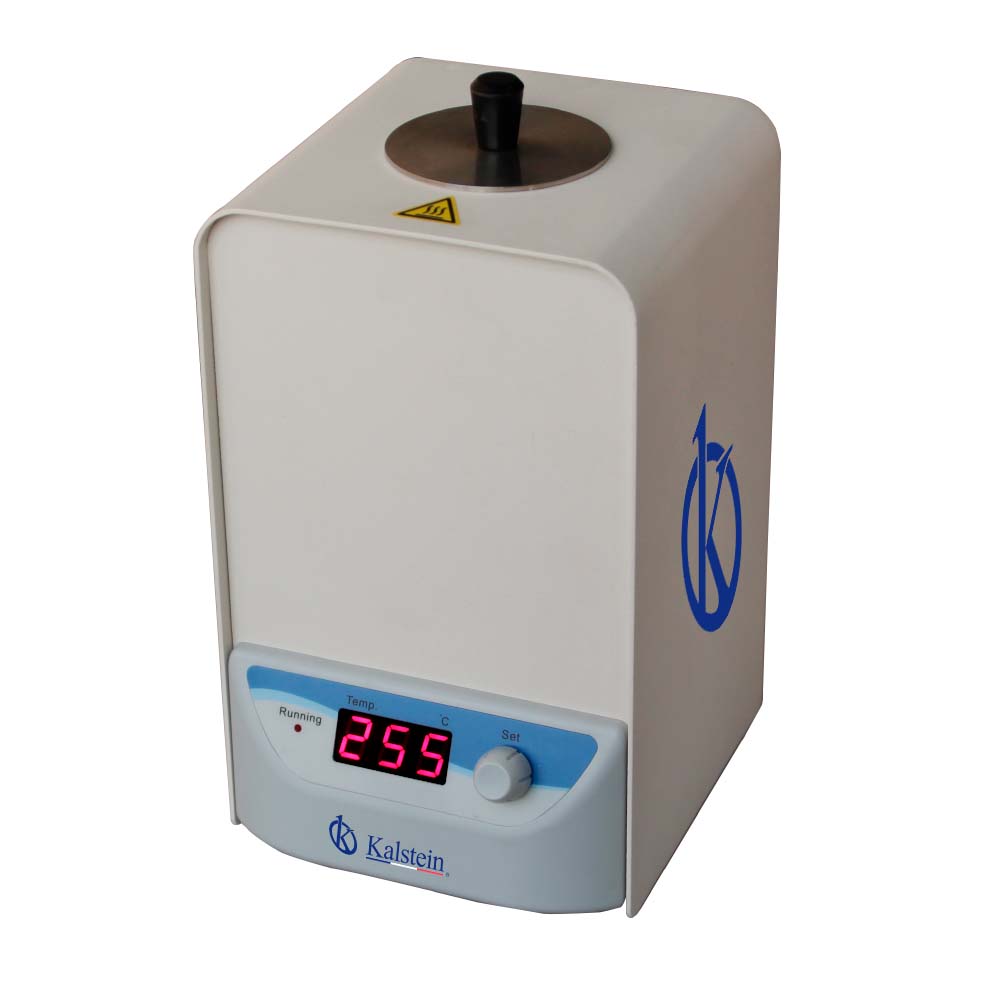
Cosmetics are products that we use to clean, protect and alter our appearance. They can be found in almost every home and are used every day by people of all ages. Although cosmetics have been around for thousands of years, their ingredients and formulations have changed dramatically over time.
Benefits of Bacticinerator for Microbiology tests in the Laboratory
The work of the microbiology laboratory is to identify precisely, firmly and quickly the responsible agents at the species level, and identify their patterns of antimicrobial resistance. Thus, standard microbiologic methods remain consistent in providing rapid identification and susceptibility testing.
What are the Bacticinerator Applications?
For the sterilization of the handles used in microbiology laboratories, the use of the Bacticinerator is ideal. This disinfects handles made of platinum, needles, glass tube/pipette nozzles, and various glass and metal instruments by incinerating at temperatures between 500 °C to 815 °C or more. These processes succeed in eliminating pathogenic and non-pathogenic microbial load from culture instruments. In this sense, the Bacticinerator is applied in food, pharmaceutical and / or cosmetic industries; passing and diluting samples up to 1g, avoiding microbial contamination.
Safety measures for the use of the Bacticinerator in the laboratory
It is important to comply with security measures, because it is not only the right way to work, it is the only way to do it. Therefore, working in a laboratory involves the use of equipment and other elements, whose dangers are mandatory to study them to prevent in all aspects. Reflecting on safety measures in the laboratory is a formal requirement, since the risk of accidents such as burns, poisoning, fires or electrical shocks are always present.
Why is a bacti-cinerator important?
A bacterium-incinerator is a device used in microbiology laboratories to sterilize instruments, consisting of a ceramic tube surrounded by metal and with a hollow portion in the center. When ignited, the bacti-incinerator can reach temperatures around 800 degrees Celsius, enough to incinerate any organic material in an inoculation roast.
Bacticinerator Characteristics
The Bacticinerador sterilizer is a gas-free, flameless laboratory instrument for use with microbiological needles and inoculation handles. It achieves sterilization through infrared heat without dangerous splashing of microorganisms, to comply with widely fundamental antiseptic techniques in the field of microbiology.