

The Underlying Scientific Equipment in Modern Geology Laboratories
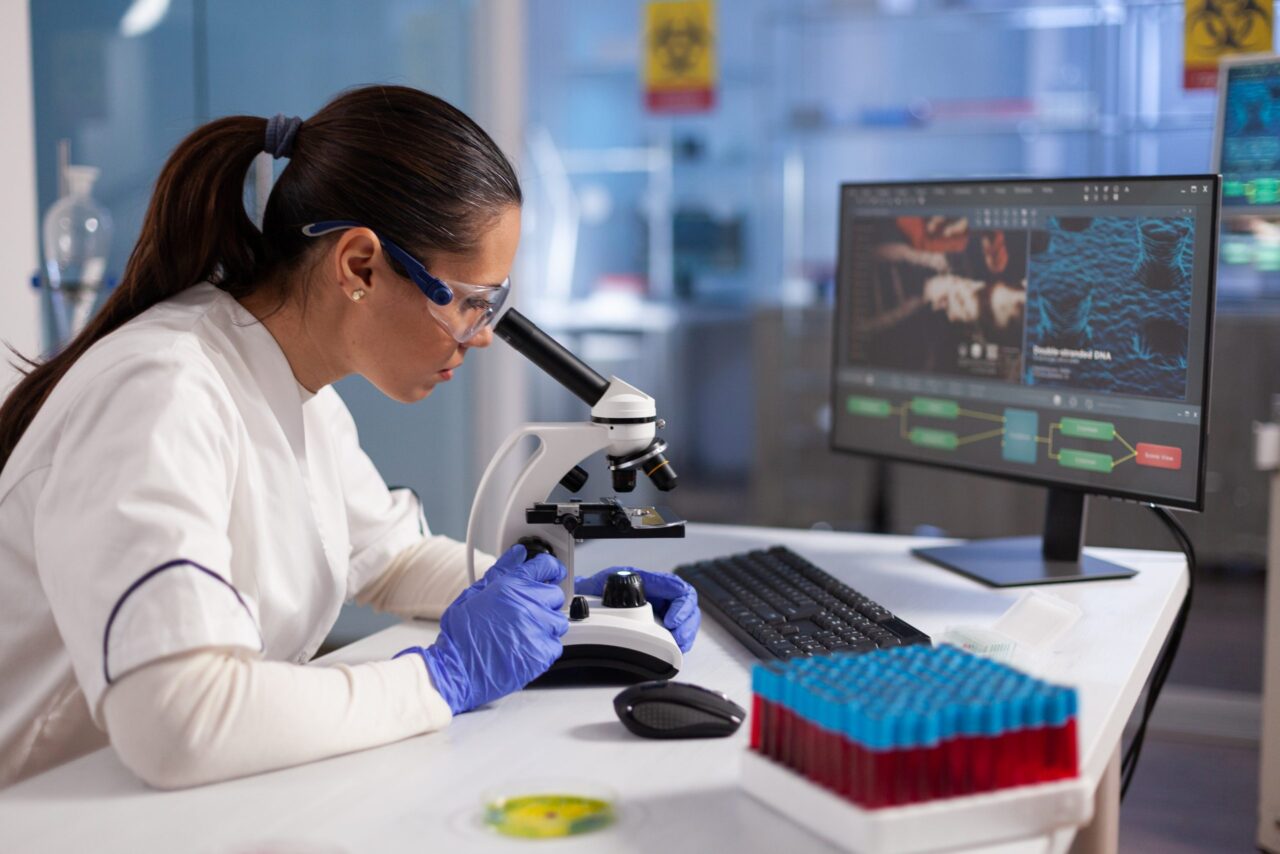
Geology is a branch of science focused on the study of the Earth, its materials, the structures that compose it, and the processes that have shaped it over time. For such a task, geology laboratories require a variety of specialized equipment that allows them to better analyze and understand the earth’s components. From microscopes to spectrometers, each piece of equipment plays a crucial role in understanding our planet.
UV Transilluminator: An indispensable ally in genetic research
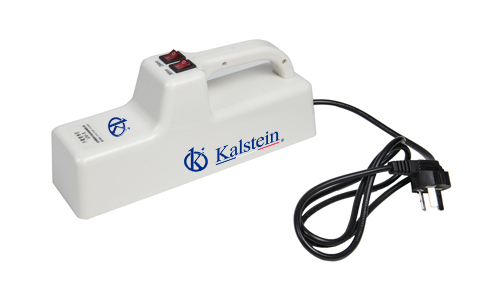
In the vast field of genetic research, multiple innovative tools and technologies have played crucial roles in scientific breakthroughs. However, few are as essential and universally used as the UV transilluminator. This multidisciplinary laboratory equipment has revolutionized multiple sectors of biotechnology, from nucleic acid analysis to medical diagnostic testing.
Adapting your Laboratory to the Future with the Transilluminator for Gels
Every day, thanks to digital and scientific innovation, laboratories are transforming. Precision instruments, including gel transilluminators, have become essential in this transformation, driving efficiency and accuracy in biological and medical research.
Taming Invisible Light: The Transilluminator for Gels
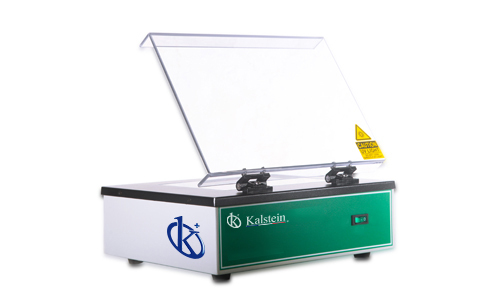
Technology and design play a crucial role in providing highly specialized solutions in the field of science. One such example of precision engineering is the transilluminator. This indispensable tool for biological and molecular science academics serves a single, but highly valuable purpose: to make the invisible visible.
Common Pitfalls to Avoid in UV Transilluminator Use
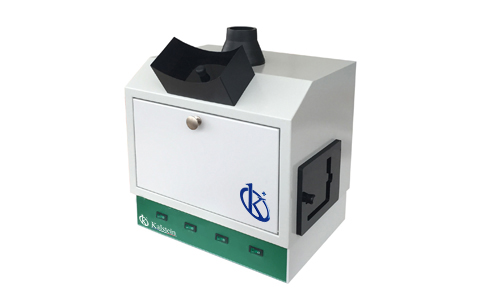
Technology advances at a dizzying pace and with it, laboratory techniques and the equipment used increase in sophistication, efficiency and precision. Among this equipment is the UV transilluminator, an essential instrument in techniques such as gel electrophoresis and the visualization of nucleic acids and proteins. However, its use may require careful handling to avoid common errors that can affect the integrity of the results.
Your Total Organic Carbon Analyzer Best Practices and Strategies
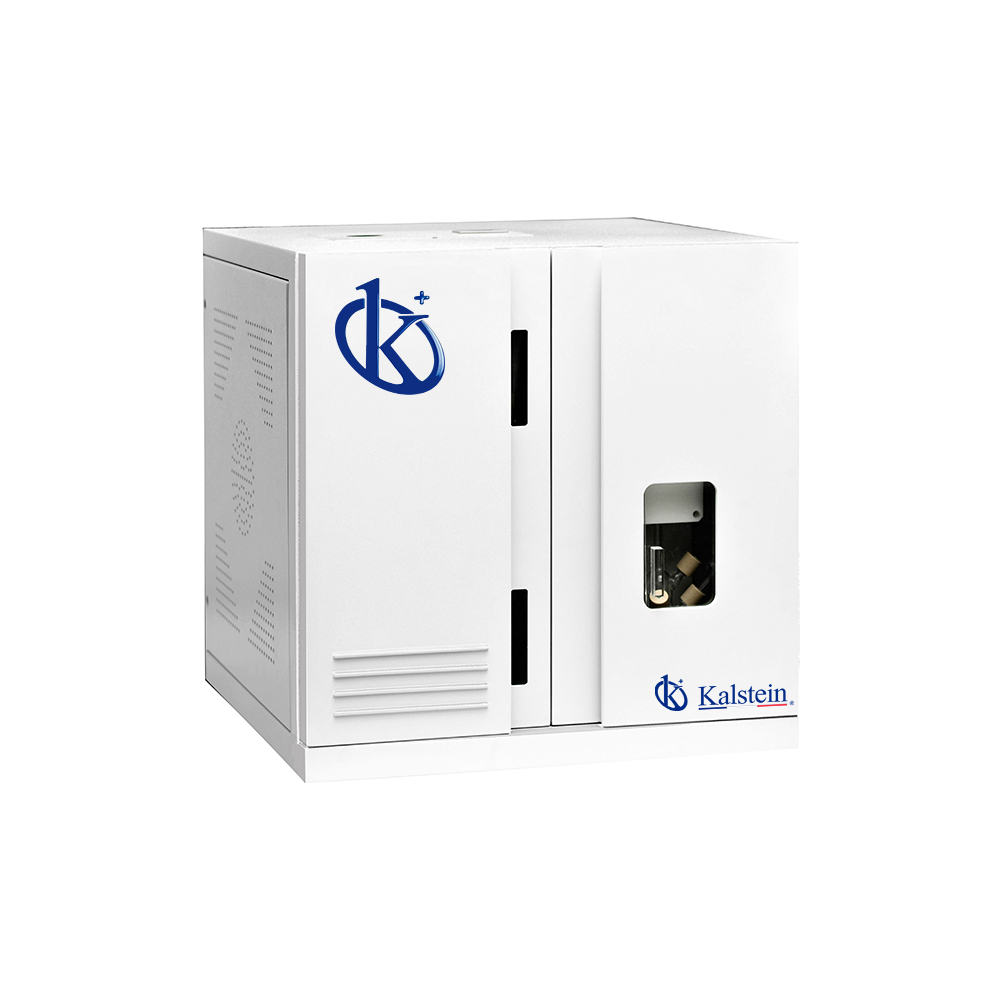
However, the effectiveness of this analyzer depends largely on how it is handled and maintained. Maximizing the efficiency of your Total Organic Carbon Analyzer is not limited to proper operation. It involves a more comprehensive approach that includes a regular calibration and maintenance program, proper operation of the equipment and constant monitoring and analysis of the results.
The Role of the Total Organic Carbon Analyzer in Scientific Advances
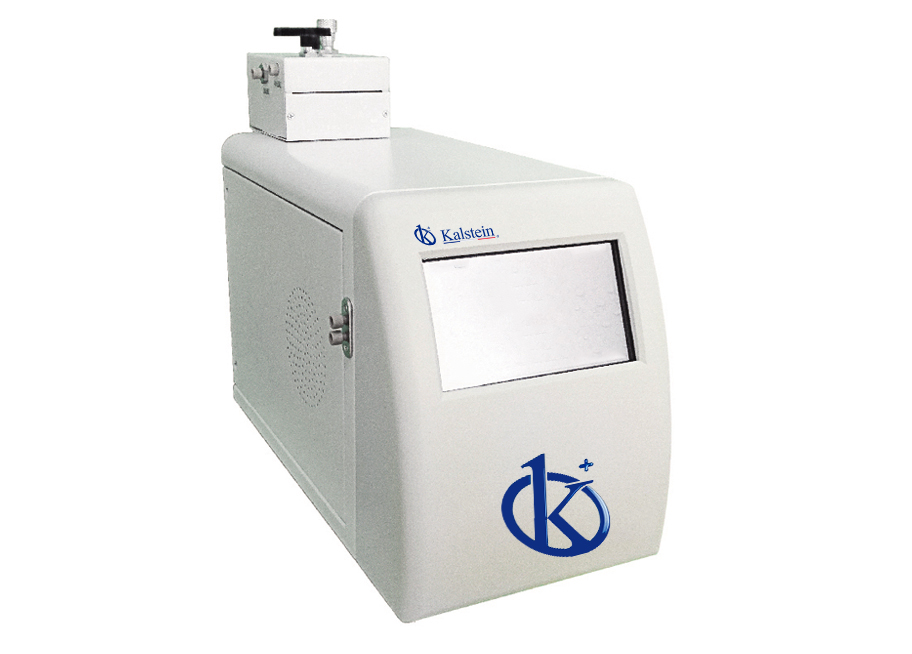
This sophisticated instrument provides vital data about the presence of organic carbon in a variety of samples, enabling scientists to make important decisions about water treatment and cleanup. As an essential element for life, understanding and monitoring organic carbon levels is vital to the health of the planet and its inhabitants.
Implications of Total Organic Carbon (TOC) Analyzer Misuse
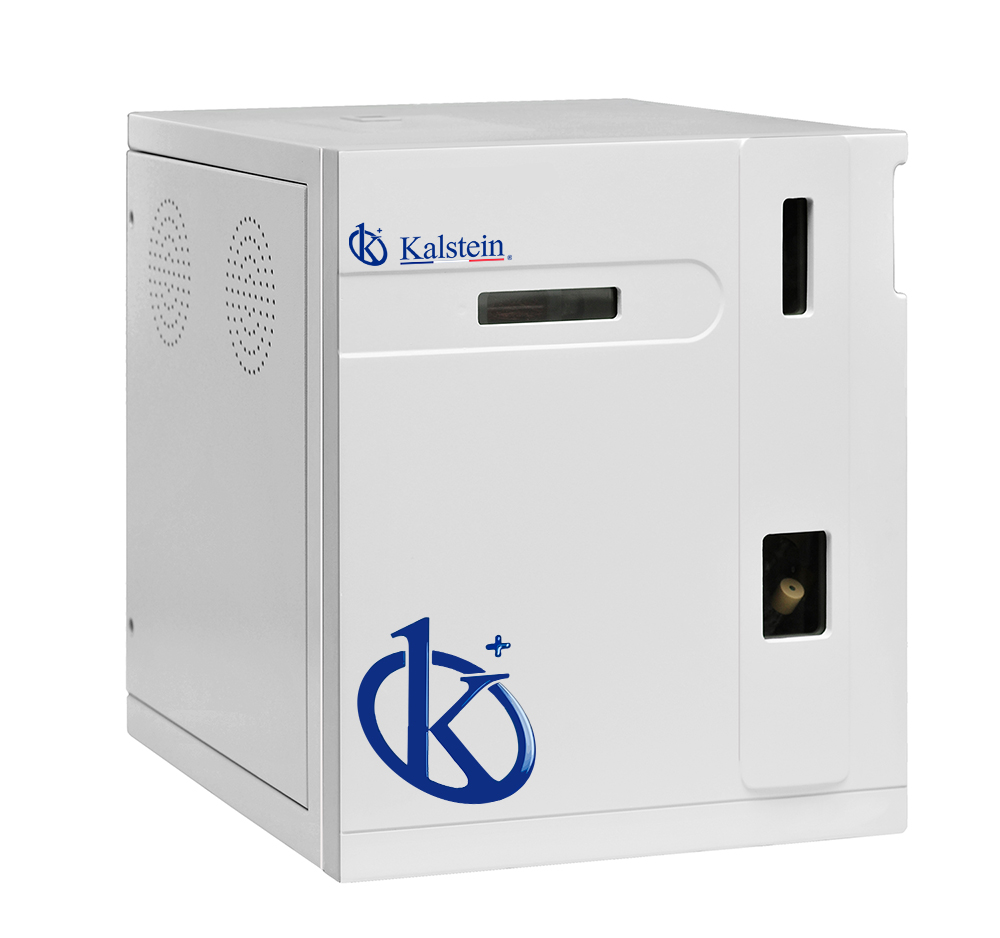
To begin, it is critical to understand what a Total Organic Carbon (TOC) Analyzer is and how it works. This valuable tool is used in multiple industries to measure the levels of total organic carbon in a liquid or solid sample. By providing essential data on the quality of water, soil, or various chemicals, the TOC provides companies with a crucial way to maintain and improve their quality and safety standards.
Ensuring Accuracy in Your Total Organic Carbon Analyzer Readings
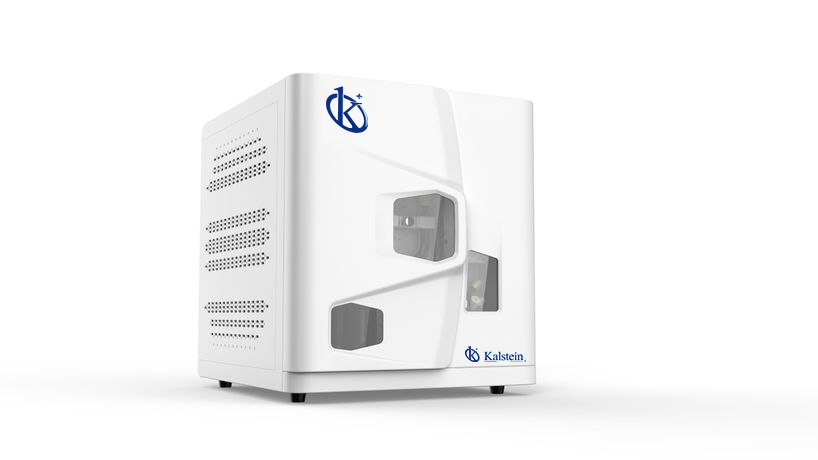
The most crucial piece of equipment in any chemical or environmental laboratory is probably the Total Organic Carbon (TOC) Analyzer. This valuable instrumentation provides accurate and timely measurements of the total organic carbon present in a sample and is essential for high quality and precision studies and research.
The Relevance of Sealing Machines in the Prevention of Infection in the Dental Office
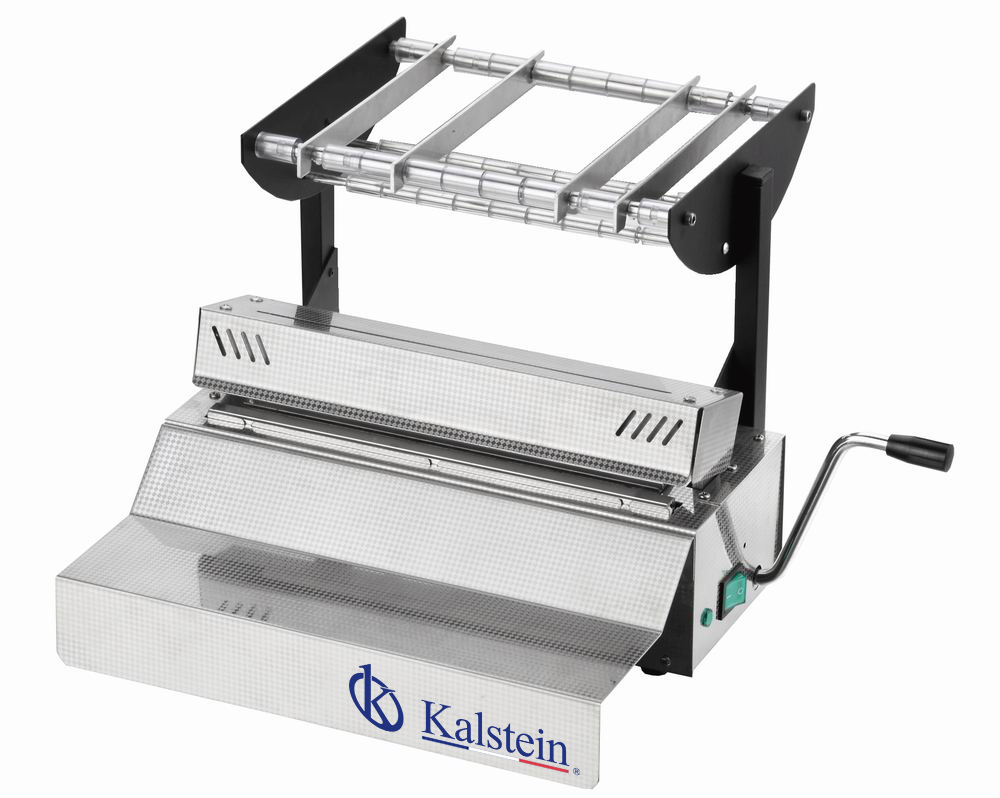
The risk of infection transmission in dental offices is an ongoing problem. Despite several advances in sterilization procedures, few have stood out as much as sealing machines. These devices, which seal and protect sterilized dental instruments, are an essential tool for preventing infections in the dental office.