

Scientific Innovations and Developments Propelled by the Use of Hotplates in Laboratories

In the vast and ever-evolving world of science, hotplates have played a pivotal role in promoting scientific advancement. These devices, which generate heat to facilitate various chemical reactions, are crucial in laboratories around the world. But where specifically do these advances manifest themselves.
The undisputed role of hotplates in the industrial landscape: Applications and uses
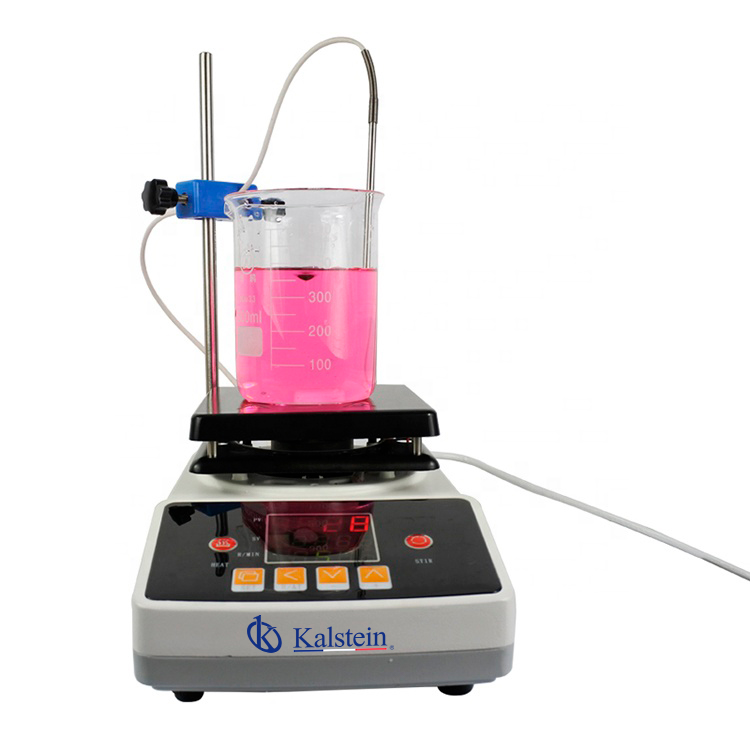
Heating plates have become an essential tool in modern industrial laboratories. They are heating devices that are widely used in scientific research and industrial manufacturing to heat samples or components. Often defined as the ovens of laboratories, heating plates are indispensable equipment in a variety of industries due to their efficiency in heating processes.
The Applications and Technological Advances of Hotplates in Pharmaceutical Laboratories
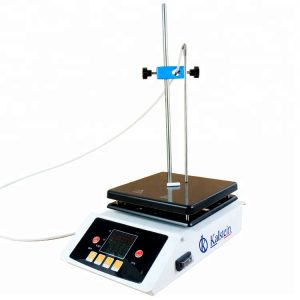
In the world of biotechnology and pharmacy, an effective understanding of laboratory instruments and techniques is essential. One such indispensable tool is heating plates, used for their ability to deliver heat in a continuous and controlled manner.
Advantages of heating plates in biochemistry laboratories
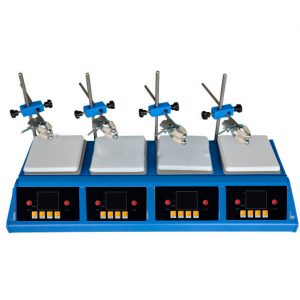
Biochemistry laboratories are places of constant innovation and experimentation. They are the epicenter of scientific progress, equipped with sophisticated equipment to allow the study of the constituent elements of life. One of the most versatile and essential instruments is the hot plate. This article will discuss how these plates can optimize research spaces and the advantages of their use in biochemistry laboratories.
Applications and Practical Uses of Rotavaporators in Chemistry Laboratories
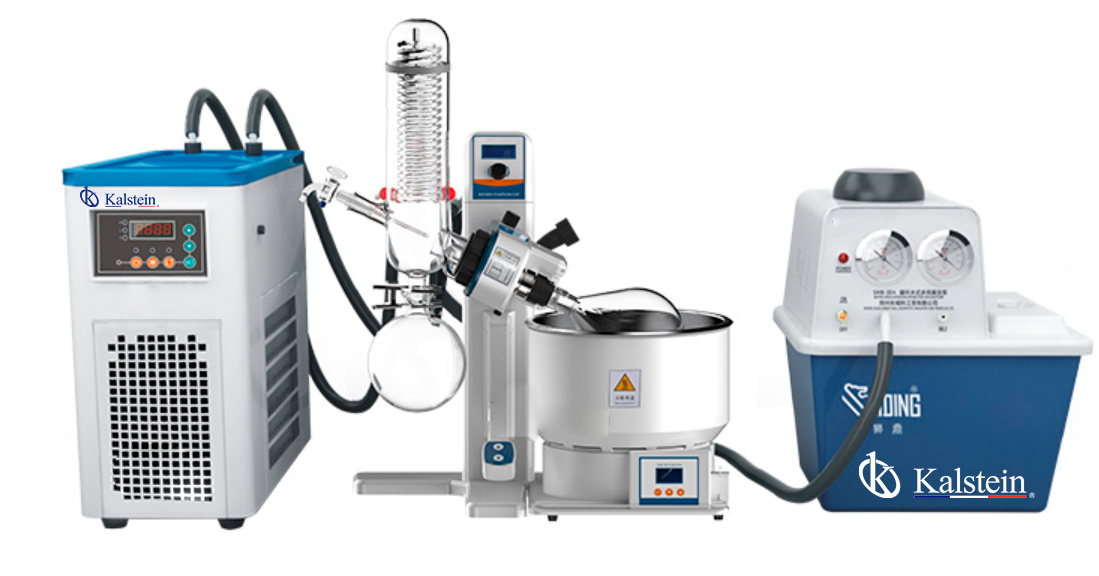
In the scientific laboratory overview, the devices that dominate the scene are both illustrative of the scope of science and essential for discovering links to the wide world of chemistry. A faithful exponent of this class of devices is the rotary evaporator.
Operation and Indispensable Need for Laboratory Water Purification Systems
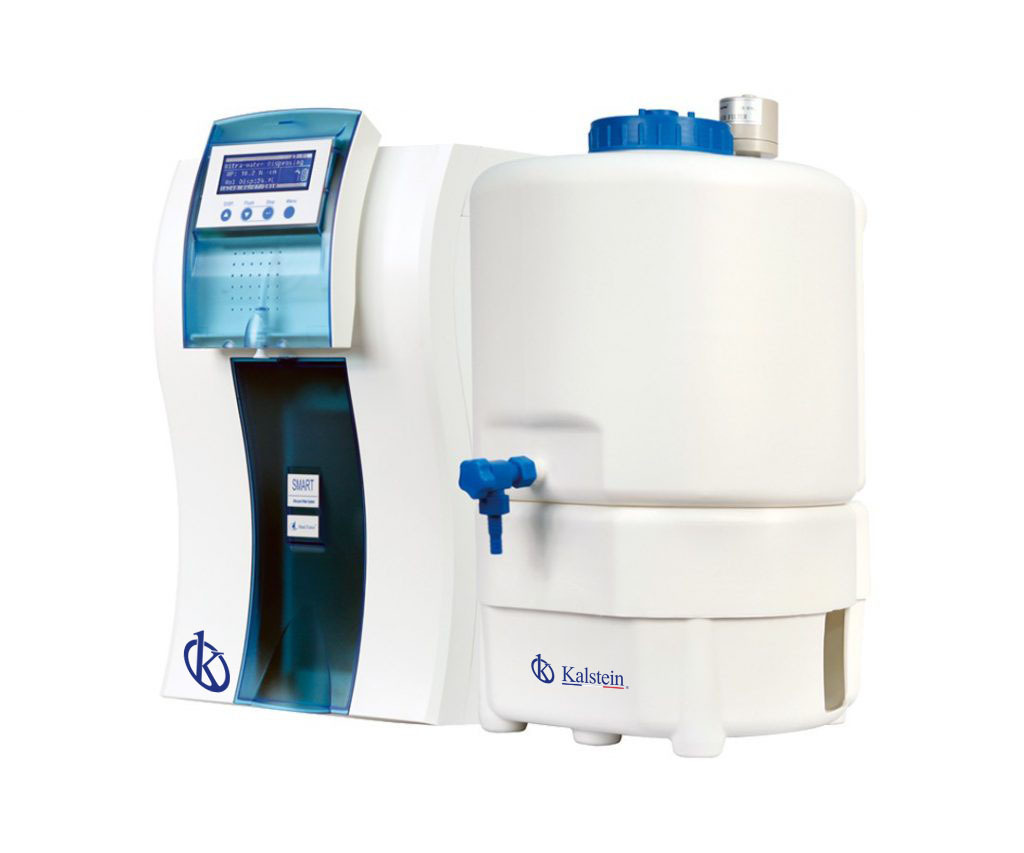
Water is a universal solvent and an essential component in countless laboratory processes. However, the water we use naturally is loaded with impurities that can affect the efficiency and accuracy of experimental procedures. These impurities include minerals, suspended particles, dissolved gases, bacteria and even organic compounds. Water Purification Systems have emerged as an innovative solution to remove these undesirable elements.
The crucial role of Water Purification Systems
In the advanced scientific research and delicate experiments carried out in modern laboratories, no detail can be overlooked. Among these details, water purity plays a key role. Used in a multitude of applications, from washing equipment to its use as a reagent in various experiments, the integrity of the water used is an essential element in ensuring the accuracy and replicability of the results obtained.
Recent Innovations in Laboratory Water Purification Systems
The demand for pure and ultrapure water has skyrocketed, most especially in clinical, research, pharmaceutical and other industrial laboratories. In these controlled environments, water quality is critical to the performance and repeatability of experiments. The solution that has emerged in recent years to meet this need is the development of new and advanced water purification systems.
Application of Water Purification Systems in Scientific Research Laboratories
Clean water is an essential resource that is often not given the importance it deserves, especially in the scientific field of research. Laboratories use it for vital processes including equipment cleaning, laboratory solutions, and also as a chemical reagent. Therefore, water quality can be critical to the precision and accuracy of research results.
Crucial Roles of Laboratory Muffes in Scientific Experiments
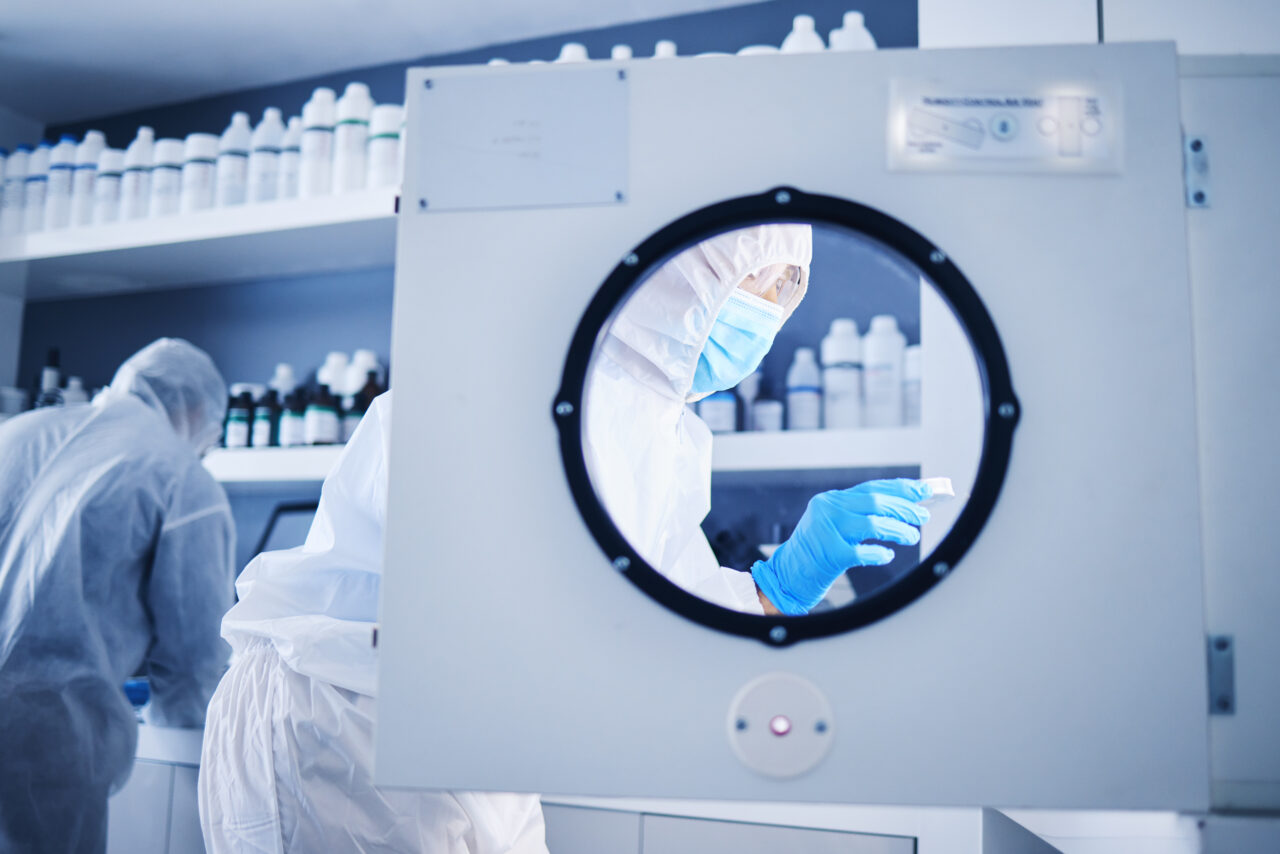
In the exciting world of science, specialized instruments play a crucial role in obtaining accurate and reliable results. Among these, laboratory muffles are essential items, especially when a sample needs to be subjected to high temperatures. These special pieces of equipment have multiple uses.