

Advanced Uses of Muffles in Research Laboratories
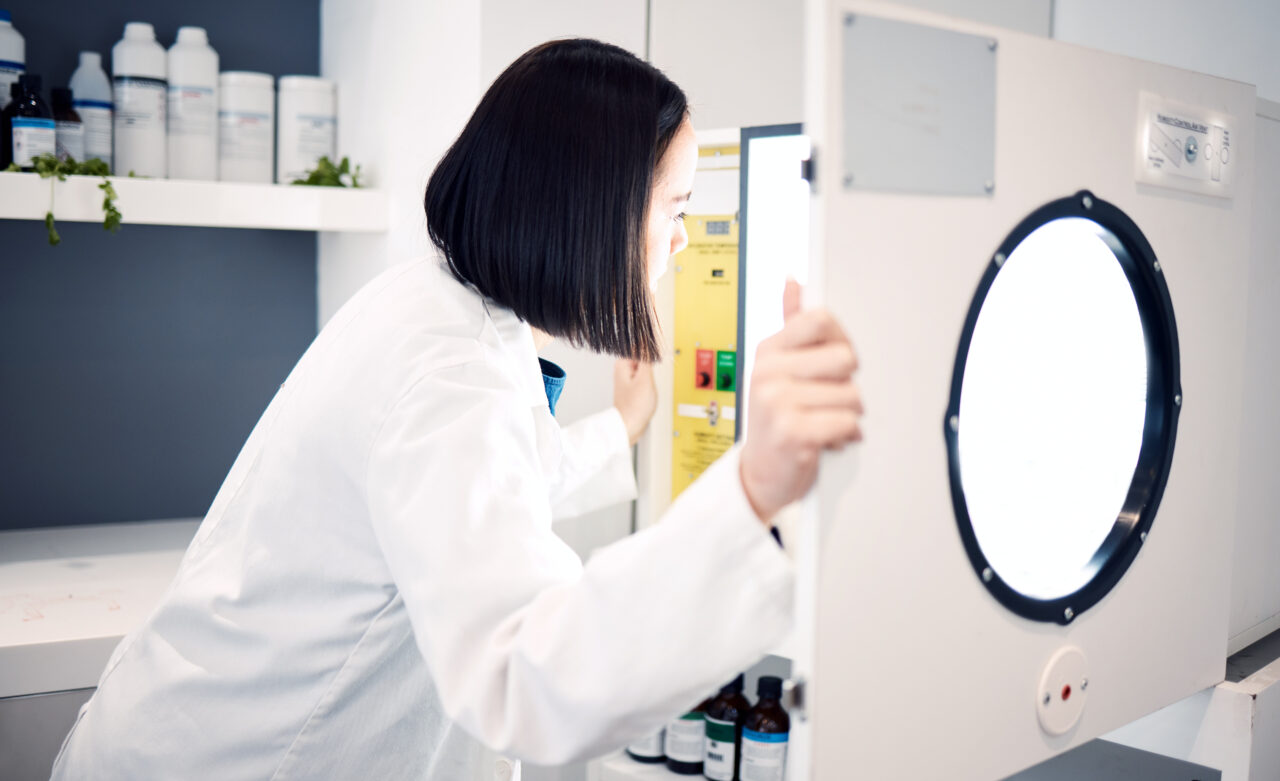
They are critical instruments in laboratory operations, applied in a multitude of locations, from industrial research centers to academic development spaces. Designed to provide a controlled environment at high temperatures, these devices bring a variety of scientific experiments to life.
How Muffles Optimize the Validity of Experimental Results
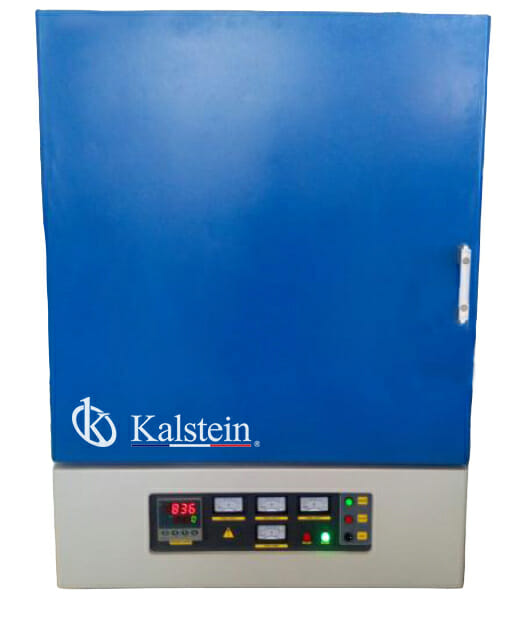
Muffles, also known as laboratory furnaces, are vital in various fields of science, including biology, chemistry and physics. Their main function is to provide a controlled and stable environment for performing experiments at high temperatures. Often, the validity of a scientific experiment depends on factors such as the precision in the measurement of variables, and among these, temperature plays a crucial role.
Laboratory Muffle: Safe Use and Maintenance
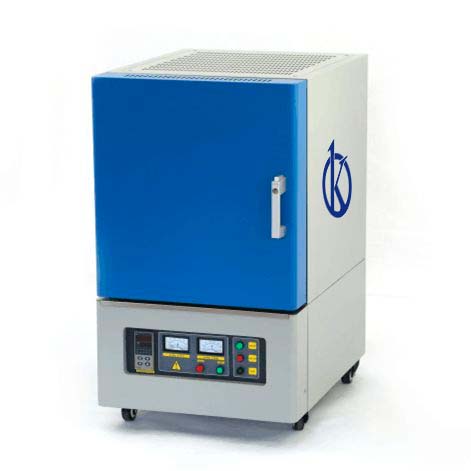
Laboratory muffles are essential for research and development laboratories. These robust and powerful units are essential for various processes such as drying, sterilization, sample heating and thermal analysis. Their precision and efficiency make them an indispensable investment in the scientific environment. However, they require careful handling and maintenance.
An Overview of pH Meter Performance and Main Applications
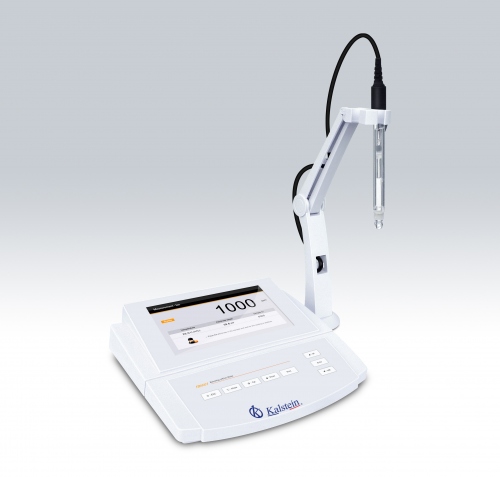
pH meters are valuable analytical devices, indispensable for a multitude of sectors in science and industry. First, to understand how a pH meter works, it is necessary to understand what pH is. The pH is a measure of the acidity or alkalinity of a solution, expressed on a scale from 0 to 14.
Optimizing the Calibration and Maintenance of a pH Meter to Maximize Accuracy
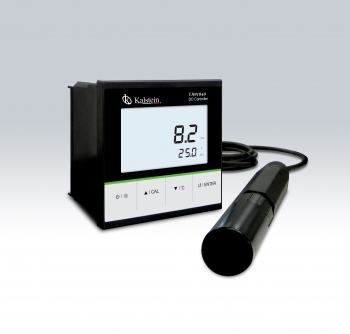
The scientific and technical world relies heavily on the accuracy of pH measurement to obtain reliable results in various areas such as research, medicine, industrial production, aquaculture, agriculture, among others. Hence the vital importance of proper calibration and maintenance of pH meters to ensure their accuracy. This article will focus on how to effectively perform these tasks.
Diversity and applications of pH meters A question of balance and accuracy
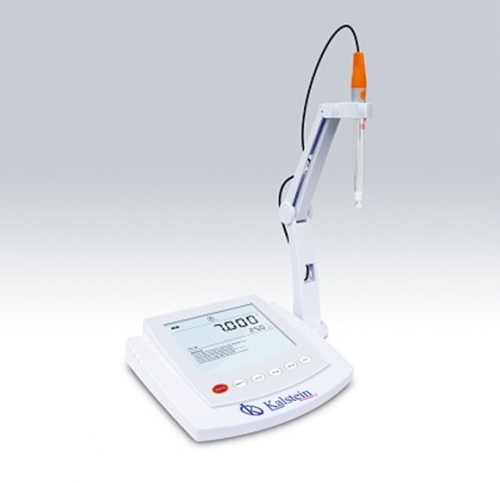
Measuring the level of acidity and alkalinity in different solutions is essential in multiple fields of work and study. This brings us to the importance of pH meters. This article puts into perspective the various types of pH meters and their practical applications. We will explore three types of pH meters: the manual or paper pH meter, the portable pH meter, and the benchtop pH meter.
The Importance of pH Meters in Food and Agricultural Industries
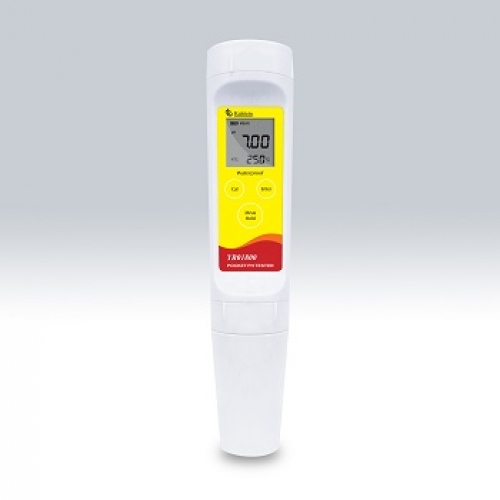
The pH, a scale that measures the degree of acidity or alkalinity of a solution, is a crucial element in food and agricultural production. Having a clear and precise knowledge of the pH of a product or crop allows producers to optimize their yield and the quality of their products. This is why pH meters, instruments designed to provide accurate pH readings, have become indispensable tools in these industries.
Applications of Conductivity Meters: An Immersive Analysis
Advancement in the field of technology has opened a path of constant improvement and growth in various sectors, from the pharmaceutical industry to environmental monitoring. One of these leading devices in technological innovation is the conductivity meter, an essential tool in many fields of application. This article discusses the crucial role of conductivity meters, providing an overview of their uses and applications in different sectors.
Applications and Uses of Conductivity Meters in Industrial Laboratories
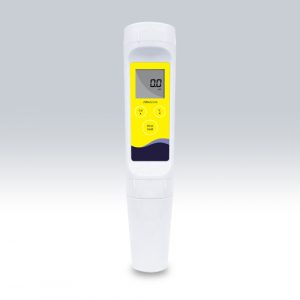
Conductivity is a measure of the ability of a solution to conduct an electric current, and its unit of measurement is siemens per meter (S/m) or millisiemens per centimeter (mS/cm). Conductivity meters, therefore, are devices that quantify this characteristic of solutions. Conductivity is an essential parameter measured in various industries and scientific laboratories, providing valuable information on the quality and characteristics of the solutions used.
Practical Applications of Conductivity Meters in Biochemistry Laboratories
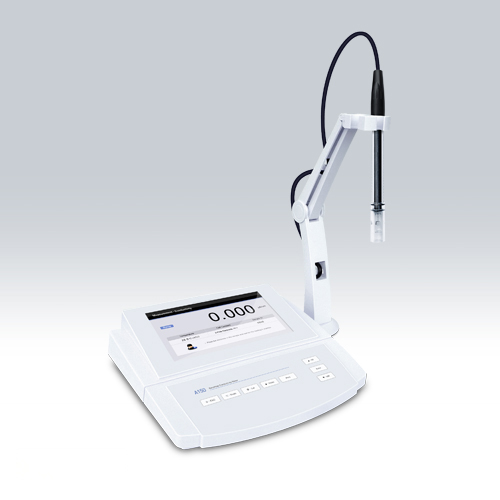
Conductivity meters are essential tools for quantitative measurement of the properties of soluble ions in a solution. These tools are especially useful in biochemistry laboratories, where accurate measurements of chemical solutions are needed. This article delves into the various applications of conductivity meters in biochemistry laboratories, and how these instruments are used to support important research.