

Spectrophotometer, types and parts
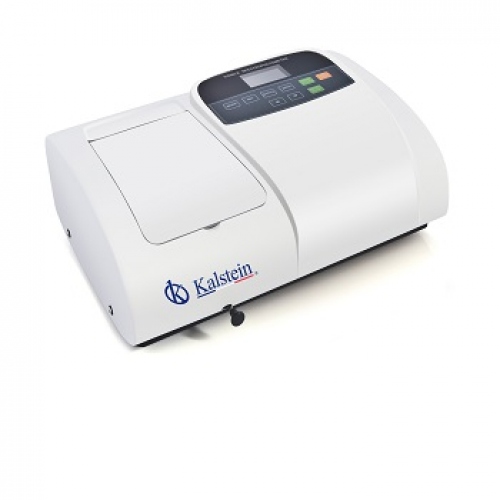
A spectrophotometer is a laboratory instrument used to measure the absorbance of a sample, as a function of the wavelength of an electromagnetic radiation, and thus to know the concentration of the substances in a solution. In other words, it allows to know the concentration of the substances in a solution and thus analyze them from the quantitative point of view.
Importance of a spectrophotometer in a laboratory
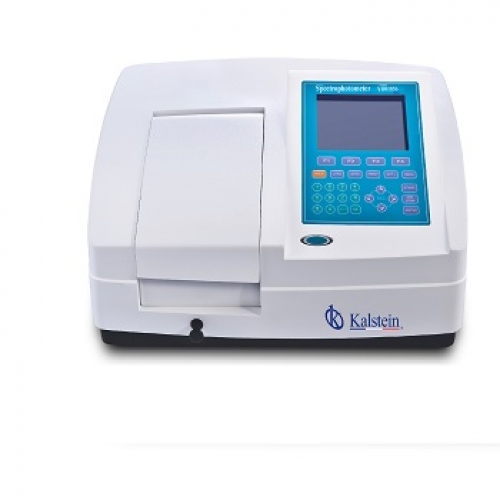
A spectrophotometer is an instrument widely used in laboratories to measure the absorbance of a sample, depending on the wavelength of electromagnetic radiation, and thus know the concentration of substances in a solution.
What is it? and How is it used? a spectrophotometer
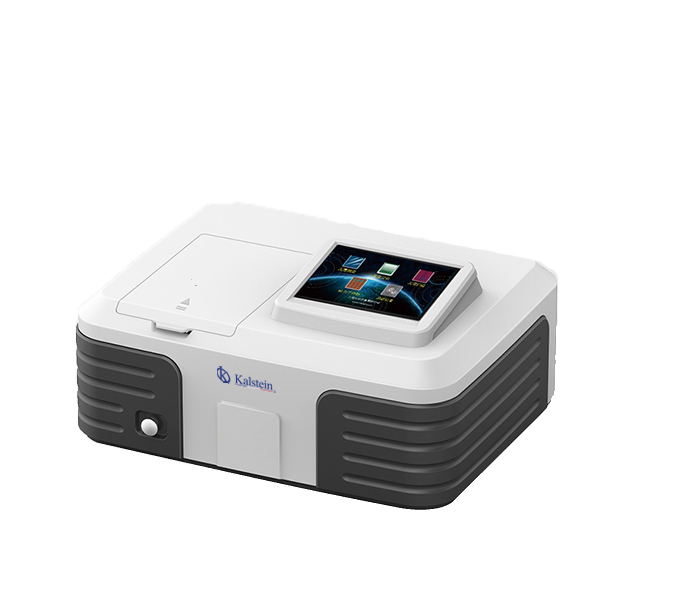
A spectrophotometer is a piece of equipment that measures how much light a substance absorbs. Its efficiency, resolution, sensitivity and spectral range will depend on the design variables and the selection of the optical components that comprise it. Spectrophotometry is the quantitative measurement of the transmission properties of a material based on the light wave.
Power sources: when it is necessary to use it in the laboratory.
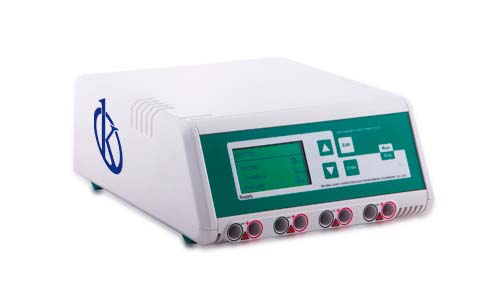
They are necessary in laboratories, because they are devices or equipment that are able to convert the alternating current into direct current, being able to regulate it according to the needs of the laboratory area, they are used to distribute or power other equipment so that they work directly from the electrical energy without the need for batteries.
Is a power supply important for an electrophoresis camera?
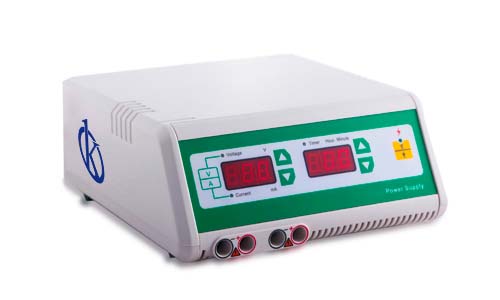
A power supply for electrophoresis, is a device whose purpose is to supply direct and constant current to an electrophoresis system, must have a voltage control to manage the supply of current entering the system. That is, these sources provide the electrical current needed for the electrophoresis process to occur properly.
Electrophoresis chamber power source: How does it work?
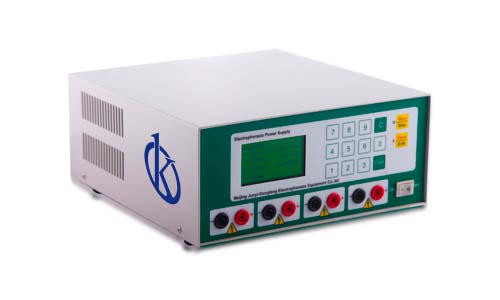
The power source for electrophoresis chambers is the source in charge of providing electricity to the electrophoresis system that is being used, in other words, it provides the necessary energy for this system to function properly; reason for which it is considered an essential element to carry out the electrophoresis technique.
Electrophoresis Power Sources: How does it work?
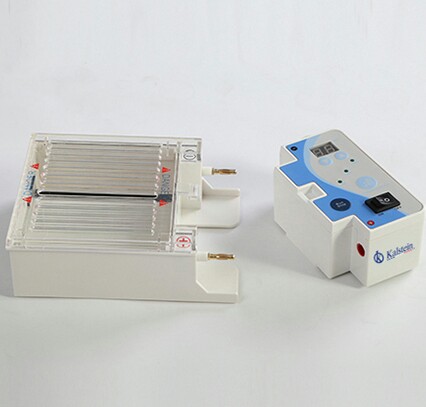
A power source for electrophoresis is the source that manages constant and direct current to the electrophoresis system, as well as indicates and allows us to control both the supply voltage and the current consumption. In other words, this device provides the necessary energy for this system to function properly; and this important laboratory technique can be carried out.
Electrophoresis Run Power Sources
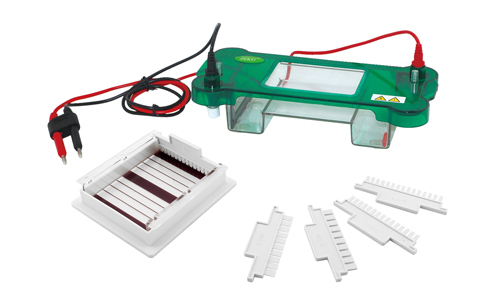
Electrophoresis in agarose or polyacrylamide gels is one of the methodologies most used in the laboratory in everything related to working with nucleic acids. The principle of electrophoresis consists in the migration of the molecules through a gel or another type of matrix of porous nature, in which, by the action of an electric field, they will be separated according to their size or molecular weight, this is achieved thanks to the action of a power source for electrophoresis, key equipment for the proper execution of this technique.
Parts and care of a power source for electrophoresis
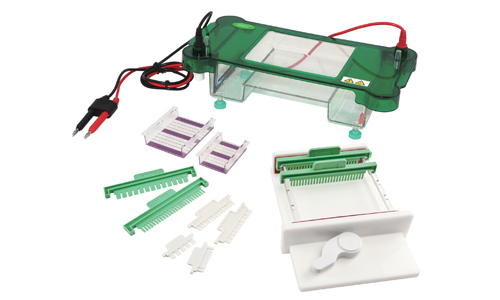
A power source for electrophoresis is an electrical equipment that has the function of managing the current in a constant and direct way to the electrophoresis system, as well as indicating and controlling both the supply voltage and the current consumption.
Power source for electrophoresis
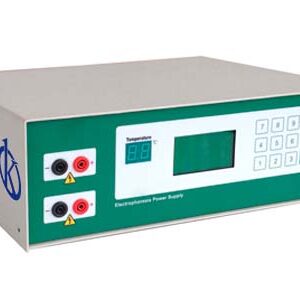
Electrophoresis is one of the most widely used molecular biology techniques today, its purpose or objective is to separate molecules, based on their properties such as size, shape and isoelectric point, in this process the molecules are separated due to the difference of their net charge. It is a highly effective technique for separating complex mixtures of proteins or other molecules.