

Ice makers: How does it work?
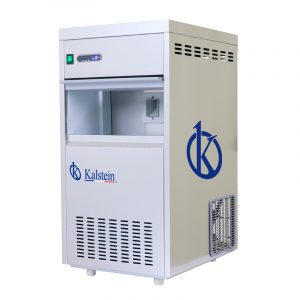
An ice maker or ice maker is a machine that makes ice from moving water, unlike the traditional method of making ice, where water is frozen.
Today an ice maker is considered a key piece of equipment in the best laboratories and hospitals in the world. And the fact is that the ice they produce is a great ally for most professionals in the health sector. As a consequence, most health centers, laboratories, hospitals and research centers include an ice maker in their equipment.
Ice makers: Recommendations and care
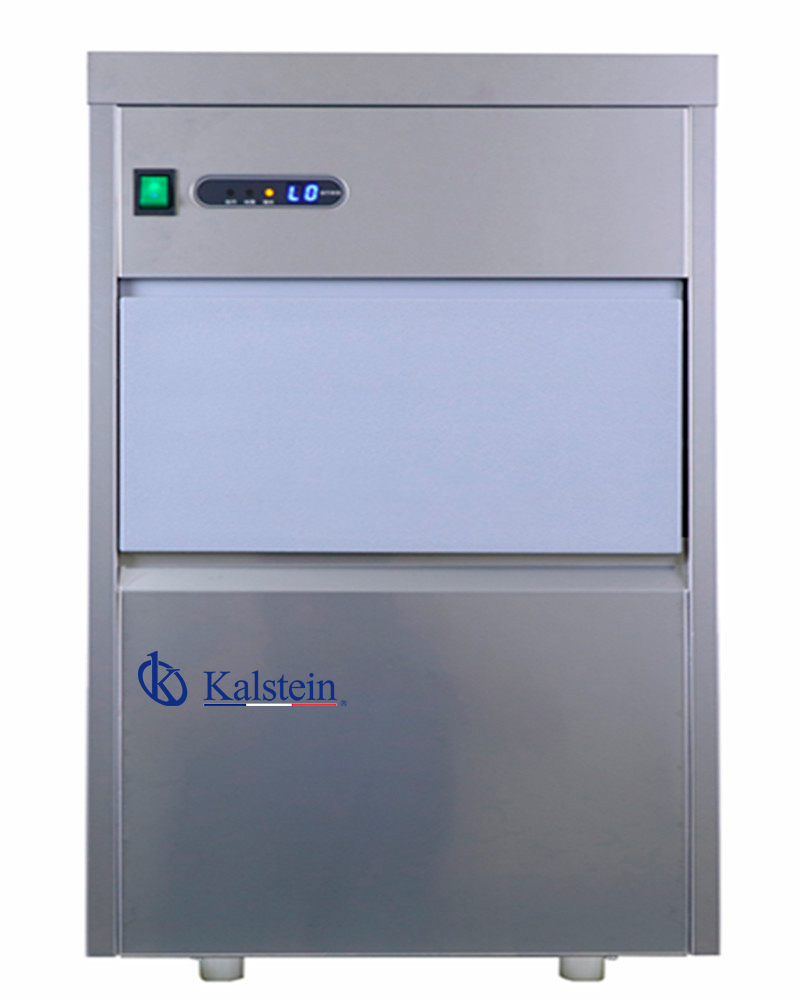
Ice makers are machines that make ice from moving water, as opposed to the traditional method of making ice, where the water is frozen. They are very useful equipment in the health and research sector, so it is essential to carry out proper maintenance and follow a series of steps to care for them.
Ice maker: capacities
An ice maker is a device where water is poured into a tray that has a specific format to shape the ice that you want to create.
The tray freezes slowly and gradually in layers until the water freezes completely and creates the ice cubes. Once the correct temperature is reached, the tray heats up enough to allow the cubes to separate. The cubes are deposited in the storage tank.
Uses in a laboratory of the “Ice Maker”

An ice maker is a machine for making ice. This machine produces the ice from moving water, the difference from the traditional method of making ice, where the water is frozen. This principle results in the air being removed, as well as the suspended solids.
What technology does an ELISA microplate reader use?
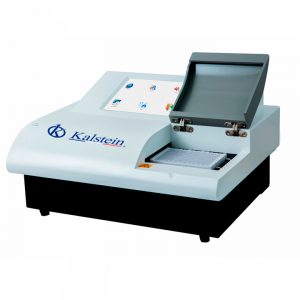
An ELISA microplate reader is a laboratory instrument that is responsible for detecting and processing biological and chemical data by absorbance (ELISA, enzymatic activity and quantification of nucleic acids and proteins), luminescence and fluorescence detection modes, including intensity, TRF and polarization according to the model. They are useful laboratory tools used in drug discovery, research, immunologic testing, hormone detection, bioassay validation, and biopharmaceutical manufacturing.
What technology does a lab freeze-drier use?
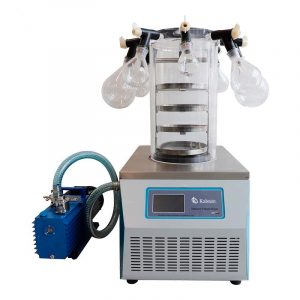
Freeze-drying is a laboratory process that has novel applications in the pharmaceutical and biotechnology industries, it is carried out in a laboratory instrument called freeze-drying that is used to stabilize, store or increase the shelf life of sensitive biological materials.
Main differences between a laboratory ovens and a laboratory incubator
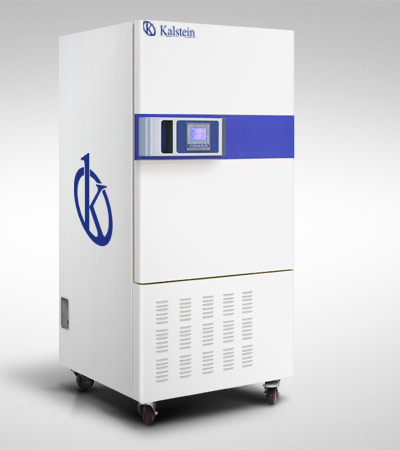
Among the great variety of equipment needed to carry out the many activities of a laboratory, we can highlight the use of ovens and laboratory incubators, basic equipment that are often used quite often. Although laboratory ovens and incubators may look the same and generate heat as per user settings, they differ in many factors that make them suitable for their specific function.
What is a mass spectrometer?
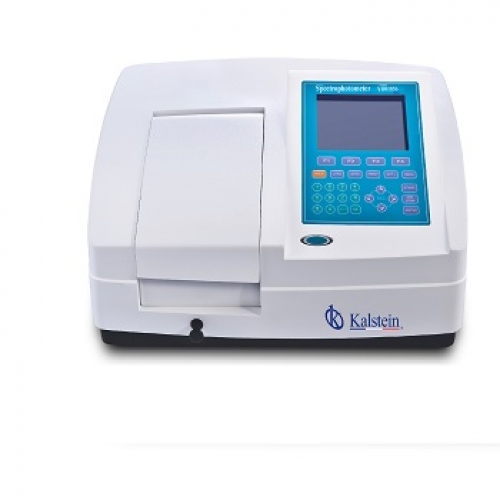
A mass spectrometer is a laboratory instrument used to separate ions within a sample that have different mass/charge ratio (m/z). The mixture may consist of different isotopes of the same substance or of different chemical elements.
Freeze dryers in pharmaceutical companies
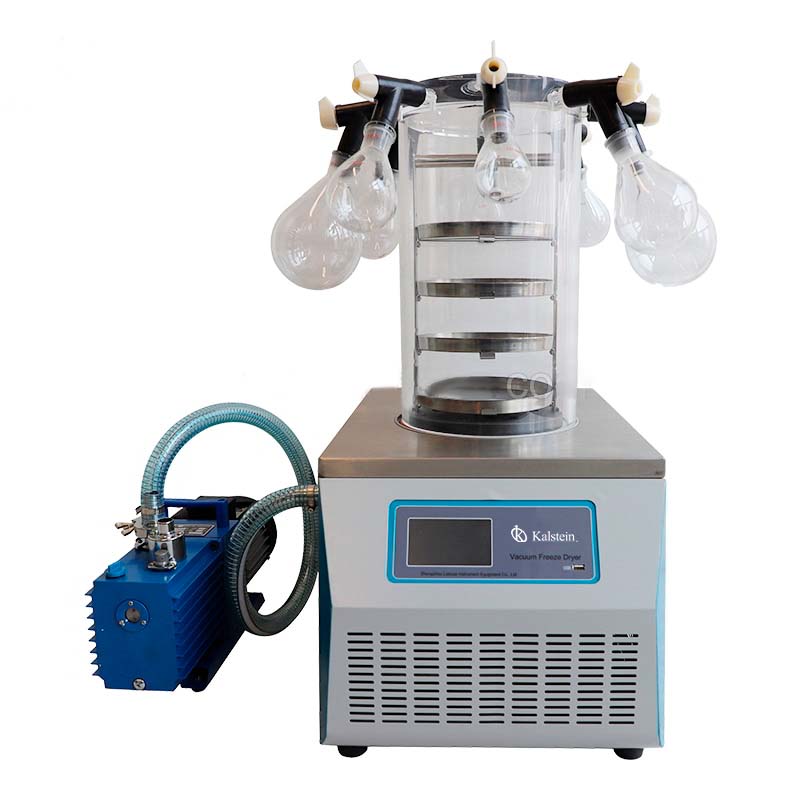
Freeze drying has become a standard practice in the pharmaceutical industry, since the beginning of its first applications around the 40’s. Since then, the freeze dryer has gone from being a simple vacuum drying equipment to become a highly sophisticated system and integrated, which combines a series of processes to guarantee a systematic production according to technical and biological specifications.
What is a food freeze dryer?
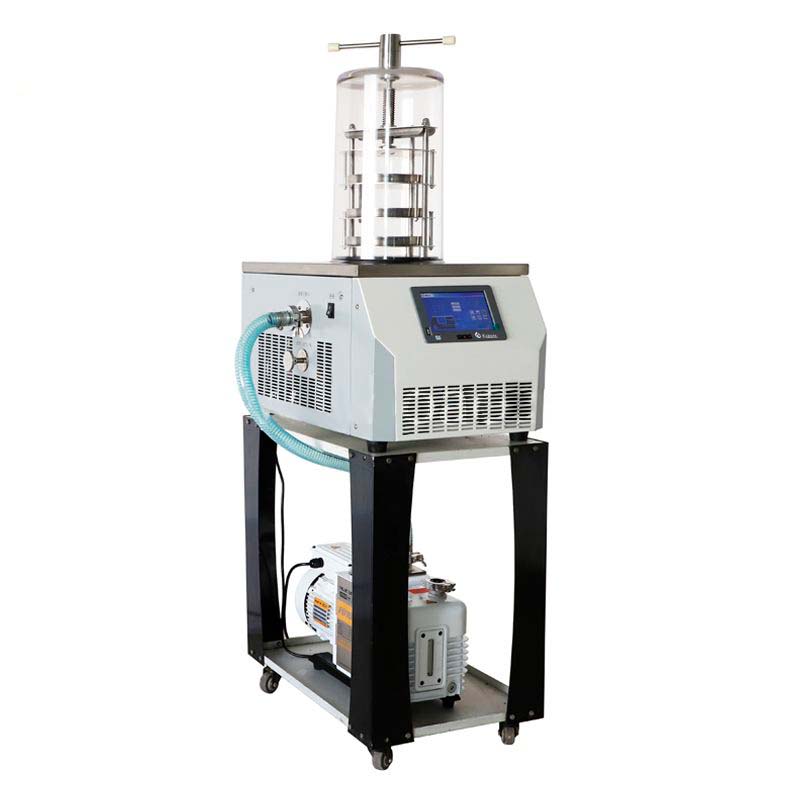
Freeze-drying is a technique for the preservation of food that is based on the drying of certain compounds by means of the sublimation of the water contained in them.
A lyophilizer is the apparatus used to carry out lyophilization. It consists of the following parts: dry chamber or lyophilization chamber: it is the place where the substance to be lyophilized is placed, condenser with a refrigeration circuit: it communicates with the dry chamber and it is where the vapor that is produced in the sublimation is condensed and finally a vacuum system.