

Freeze dryers: technique and operations
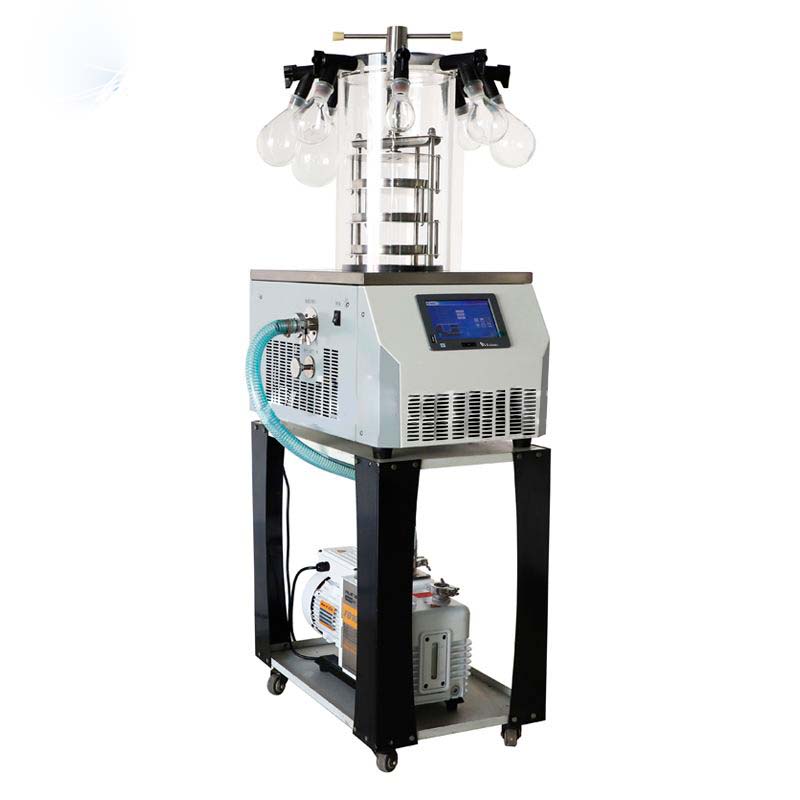
Freeze drying is a process also called freeze drying, and it is carried out in specialized equipment known as a freeze dryer. In this process, the product is frozen, by exposing it to cold air, then passing to a vacuum chamber, in which the humidity is sublimated, eliminating it by crystallization using mechanical vacuum pumps.
Freeze Dryer: What is it? What is it for?
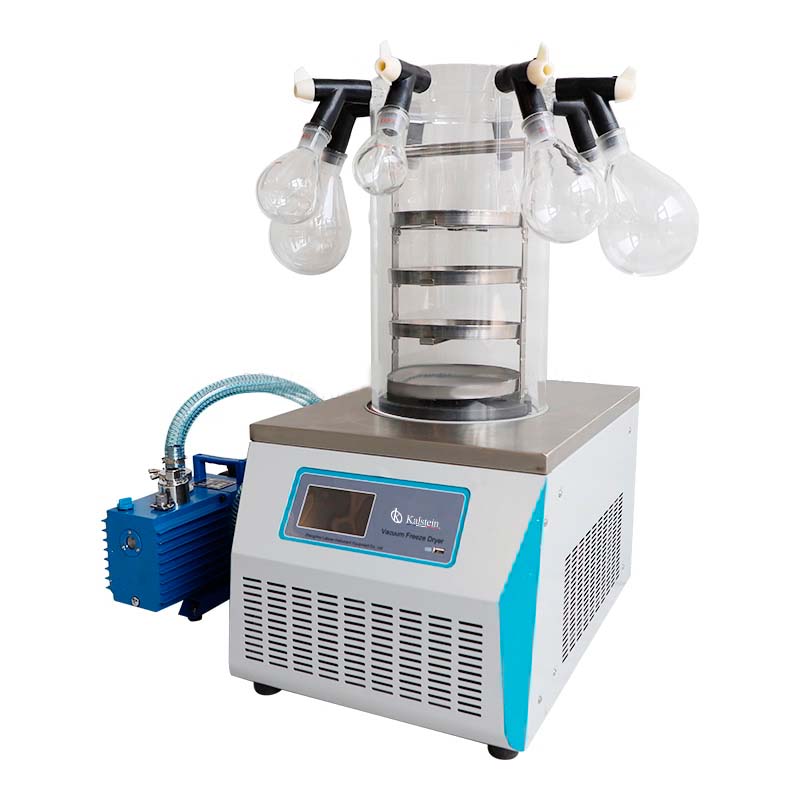
A lyophilizer is an equipment that allows to carry out lyophilization, that is, it is an instrument that serves to remove moisture from a product by drying it cold, thus obtaining a dehydrated product that can be rehydrated again when needed, recovering completely its properties at the time of use.
Freezers why should samples be frozen in an ultrafreezer?
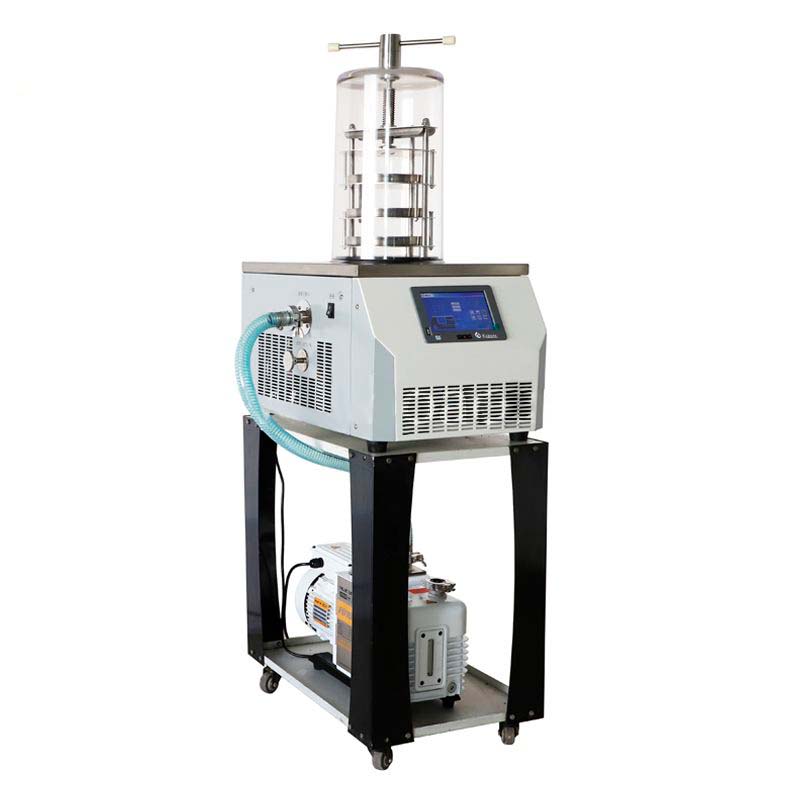
The quality and reliability of the laboratories depends on the equipment with which they work, that is why, through the use of freeze-driers, they are responsible for complying with the conservation of samples by means of freezing processes, through methods that are used for the soft drying or conservation of thermally sensitive samples.
Importance of a laboratory freeze-drier
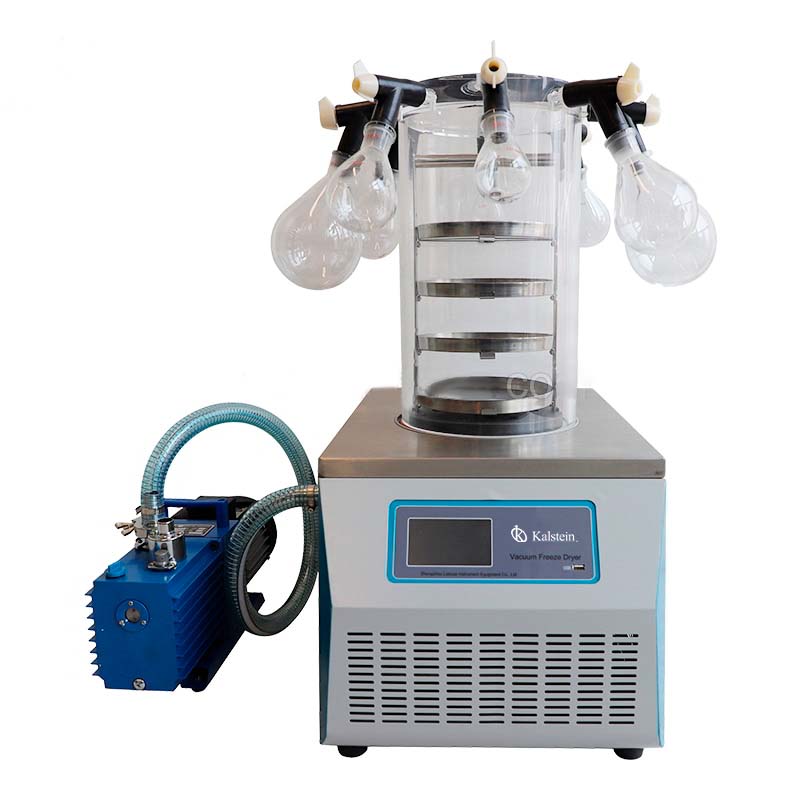
The freeze-drier is a laboratory equipment used to carry out the freeze-drying process, which consists of extracting the moisture present in a given product by cold-drying. In other words, this laboratory device is responsible for dehydrating the samples by cold.
Lyophilizers: What are its parts and maintenance?
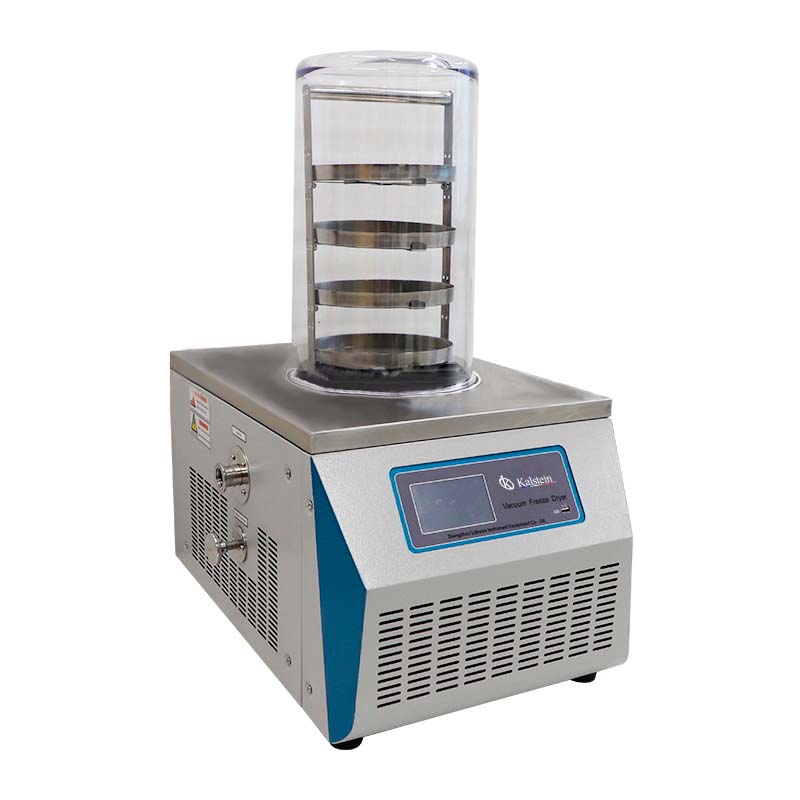
The freeze-drier is a laboratory equipment used to carry out the freeze-drying process, which consists of removing the moisture present in a given product through cold-drying, is a process that has as its main objective to separate water from a solution by freezing and subsequent sublimation of ice at reduced pressure.
CO2 incubators What are the different types that exist?
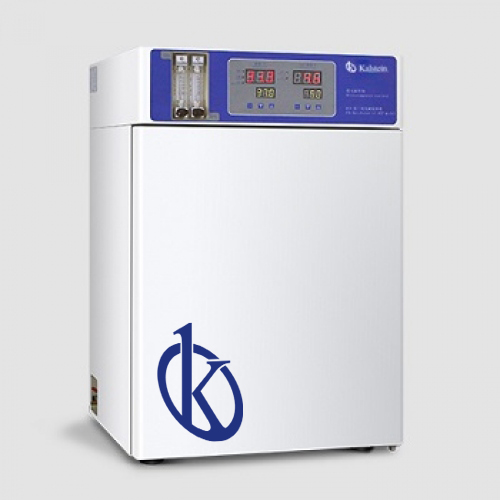
CO2 incubators are an advanced instrument where the development of cell cultures and tissues is carried out guaranteeing an environment with natural atmosphere, these incubators guarantee a temperature, humidity and CO2 content offering to the tests the maximum growth and safety, in KALSTEIN we have a CO2 incubator that meets the requirements of cultures of living organisms in vitro, one of the main applications of this type of incubators.
Incubators in a laboratory and their different applications
A laboratory incubator is a specialized device that has the property of maintaining a space with stable controlled conditions, through the regulation of parameters such as temperature, humidity, oxygen and CO2.
which are the different types of laboratory incubators ?
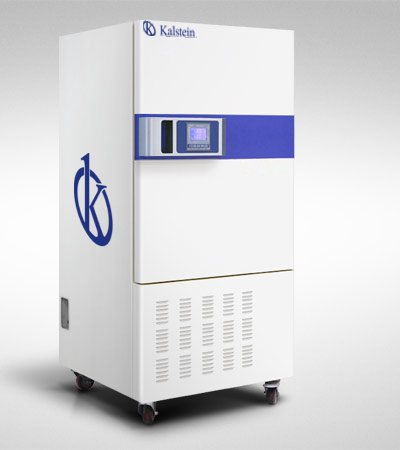
Without doubt incubators have a specific function within a laboratory, and that is to store and condition the environment, to carry out the necessary microorganism tests effectively and efficiently, some of their applications are to maintain microbiological and cellular cultures, in addition to analyzing microbiology compounds and the development of organic compounds; incubators manage to maintain the levels of carbon dioxide and oxygen that facilitate these studies, that is by the temperature, pressure and circulation of the air, characteristics of these equipment.
Main differences between a laboratory Ovens and a laboratory incubator
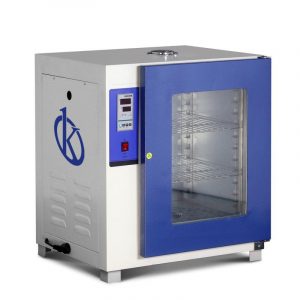
Among the great variety of equipment needed to carry out the many activities of a laboratory, we can highlight the use of ovens and laboratory incubators, basic equipment that are often used quite often. Although laboratory ovens and incubators may look the same and generate heat as per user settings, they differ in many factors that make them suitable for their specific function.
Shaking incubators What is their function?
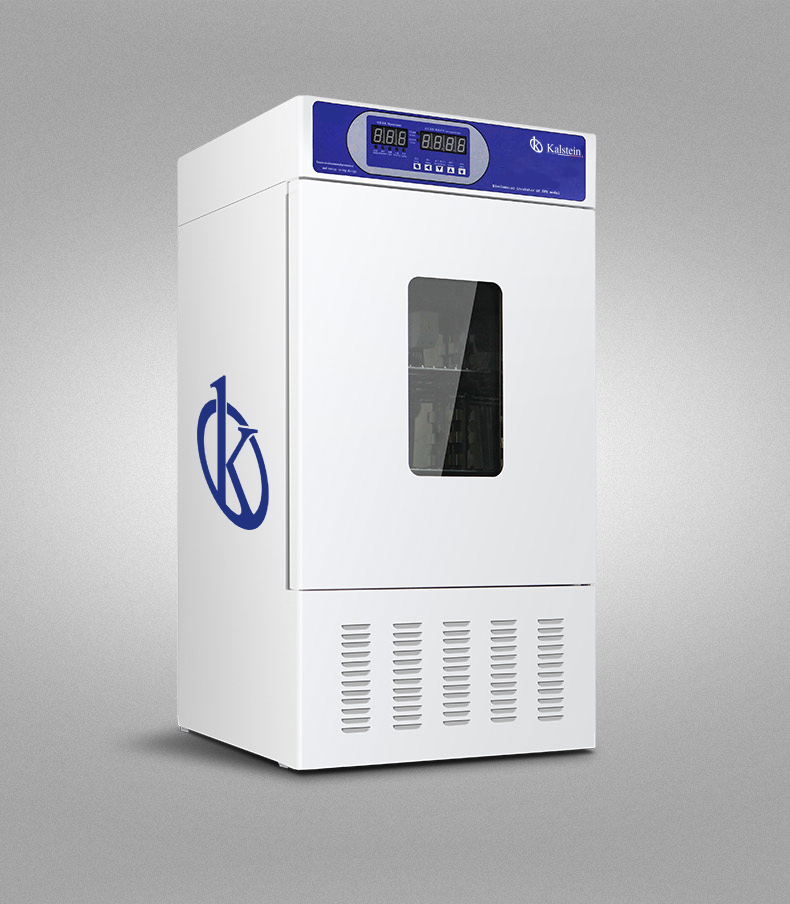
A shaking incubator is laboratory equipment that allows samples to be incubated and shaken simultaneously, for which it has a specialized design that allows it to carry out these functions. They are ideal instruments for different applications such as aeration and cell cultures, microbiological culture development, solubility experiments, hybridization, fermentation, biochemical and enzymatic studies.