

What is a Stability Test Chamber?
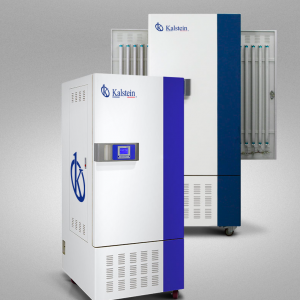
The stability test chambers are used in the pharmaceutical, food and cosmetics sector, able to store products, such as biological samples, reagents, serums, vaccines, insulin, some antibiotics, eye drops and eye ointments, to be stored between 2°C and 8°C, and not lose their properties, through temperature conservation, with advanced technology, as part of a productive or regulatory process.
How is a Sample Digested?
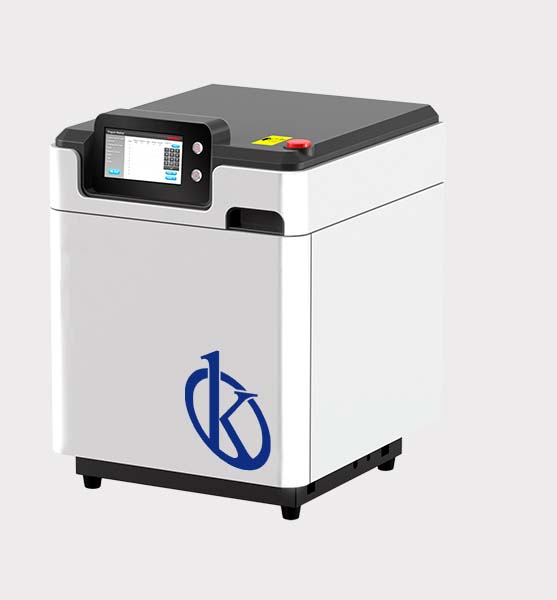
The digestion of samples is carried out through standard procedures for the preparation, by heating them, in transparent airtight containers, together with the acids necessary for the studies. For this, the Microwave Digestion equipment is used, where it applies usual parameters, such as temperature, which range between 220-240ºC, depending on the sample that requires to be subjected to heat, generating partial or complete degradation of the sample.
What are the differences between a Bath of Mary and an Oil Bath?
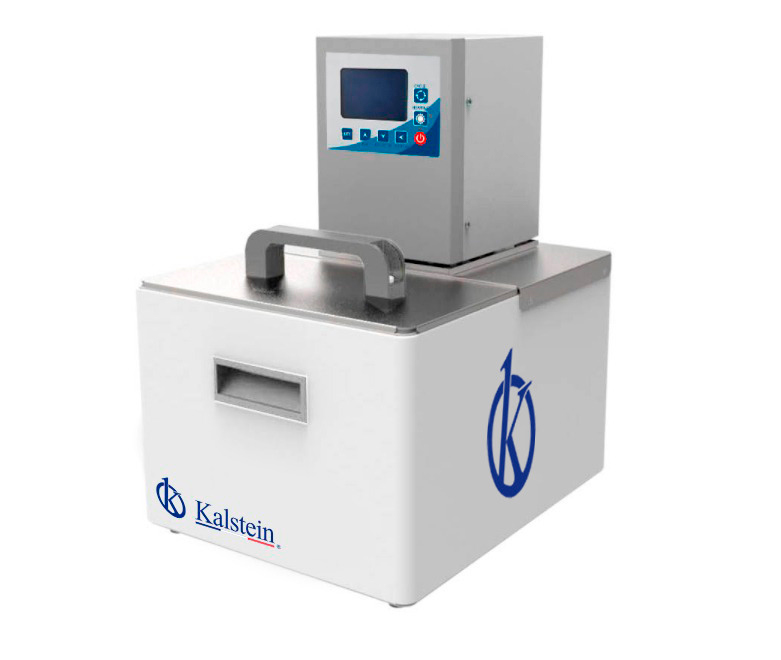
A laboratory bath is a thermostatic equipment operated for chemical research studies, transferring heat indirectly, by thermal convection, to a sample that requires analysis uniformly.
What are planachromatic targets and what are they used for?
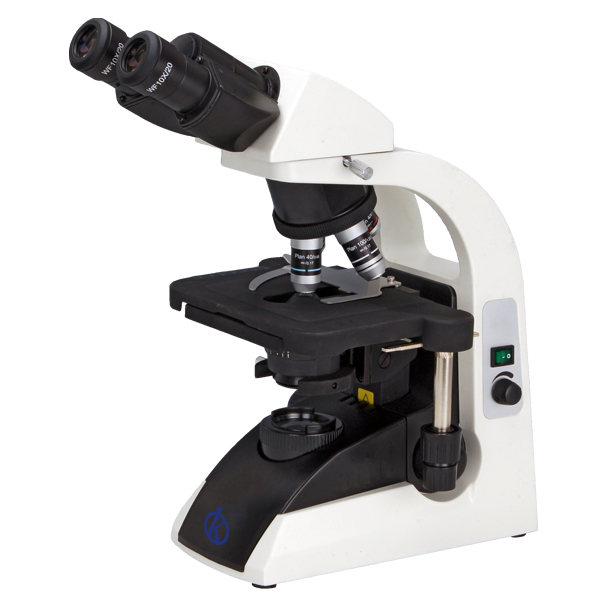
Planachromatic lenses are specialized lenses that provide good field flatness and are specially designed for routine microscopy with fluorescence and light-field modes. Useful in clinical research and laboratory testing.
What is an Ecological Microscope?
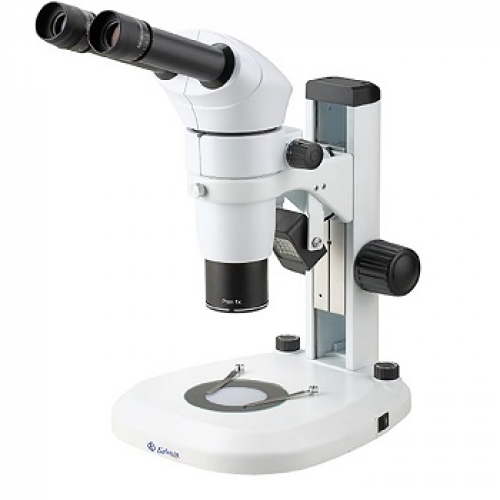
The microscope is an instrument that increases the size of an image and allows you to see more details than would be possible to see with the naked eye. There is a wide variety of microscopes, of which the ecological microscope is of relevance.
Laboratory microscopes: types, uses, and applications
Currently there are a wide variety of microscopes for different applications in the laboratory. Its main differences are in the imaging system, lighting, configuration and design.
Microscopes are today essential devices in any laboratory, some have simple designs while others are more complex devices. They have been evolving at an accelerated pace, thanks to the development of modern technologies that have allowed the emergence of many types of microscopes with very specific uses and applications, among the most notable are:
Microscopes and Technical Service
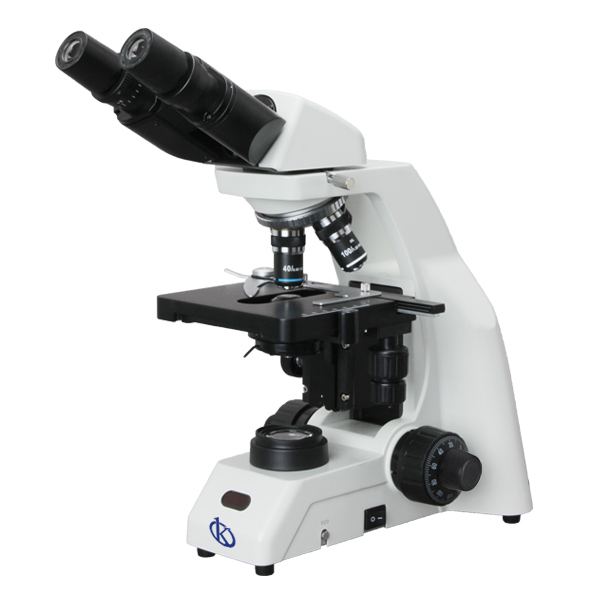
We will epistemologically define the word microscope; Micro which means small and scopio which means to observe; this is a reference of the usefulness of this device, which is a device that allows us to observe elements that are invisible to the naked eye, through a lens, viewfinders and rays of light; This instrument includes a set of elements that allows us to enlarge or bring the sample closer to scales where we minimally observe components to perform an analysis and examine the sample.
Microscopes: care and maintenance
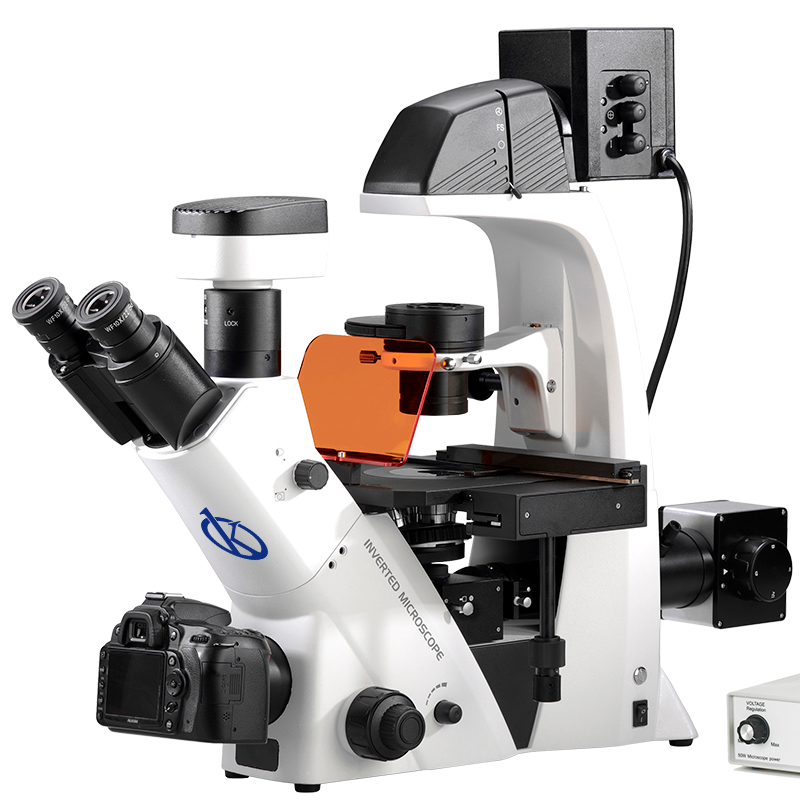
The microscope is a computer through which we can observe elements or structures that cannot be observed with the naked eye, by using lenses, viewfinders and rays of light, which approach or enlarge the image at scales suitable for examination and subsequent analysis. As high precision instruments, it is necessary to emphasize their care and maintenance in order to maintain the integrity of each of its components.
Parameters Controlled in a Climate Chamber?
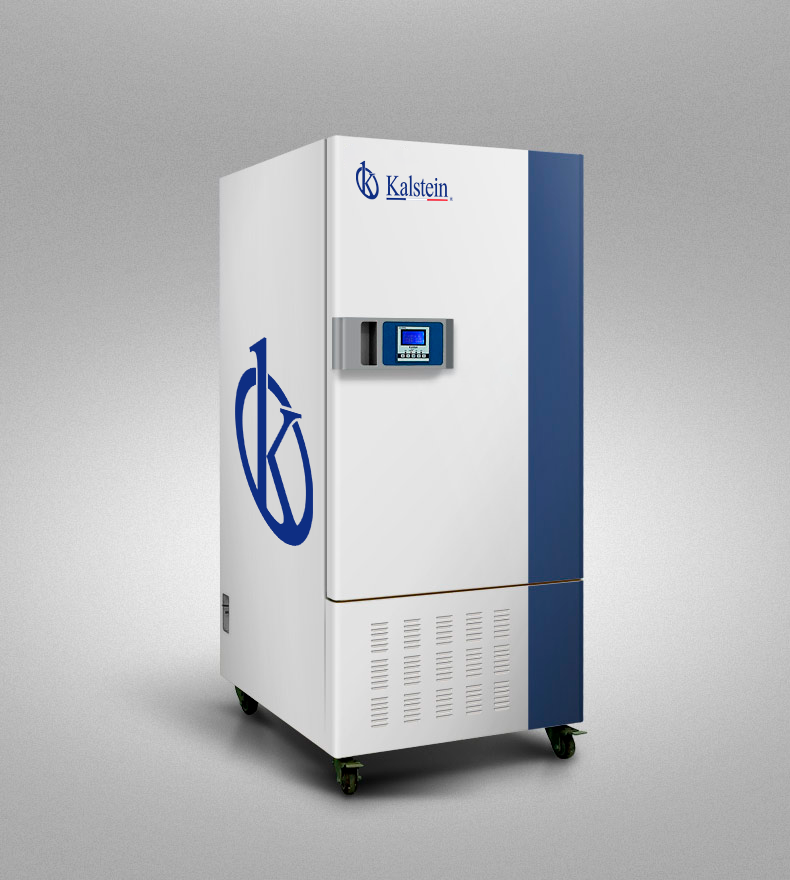
The climatic chamber is a fundamental laboratory instrument to perform a wide range of climatic tests on materials. However, it is very important to discover the descriptions of the climatic chambers, because depending on the operation and possibilities of each climatic chamber, some tests will be practicable or not.
What is a Walk-in Climate Camera?
A controlled climate chamber is a space where different environmental conditions are faked to determine the behavior of the material to be tested. The cameras offer a wide range of applications such as environmental simulation, accelerated aging, quality control, materials and systems research, product stability study, wet conditioning, behavior analysis of animal and plant species, among others