

Efficacy and safety of infant phototherapy with radiant warmers: A comprehensive review of the current medical literature
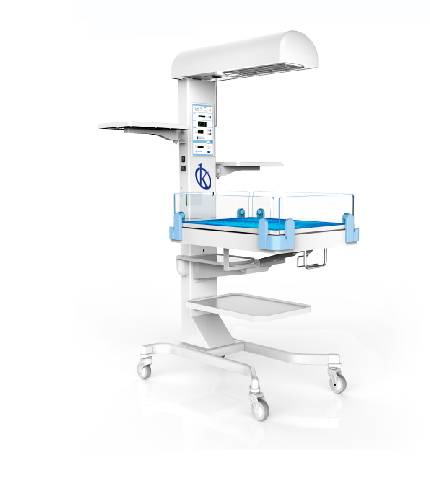
In today’s medical landscape, cutting-edge technologies, such as phototherapy and radiant warmers, play a vital role in the treatment of a number of pediatric pathologies. Light therapy, or phototherapy, uses specific wavelengths of light to treat infant pathologies, such as neonatal jaundice.
Optimizing Radiant Warmer Therapy: A Focus on Pediatric Patient Safety and Comfort.
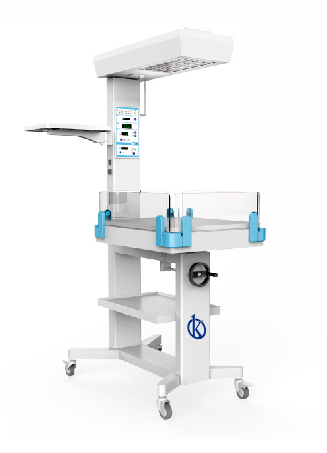
The use of radiant warmers is a common practice in neonatal and pediatric intensive care units. They are used to maintain adequate body temperature in neonates and children with thermoregulatory problems. However, safe and effective delivery of this heat therapy requires careful optimization to balance the safety and comfort needs of the pediatric patient.
Innovations in Viscometers: Improving the Efficiency of Biochemical Laboratory Processes
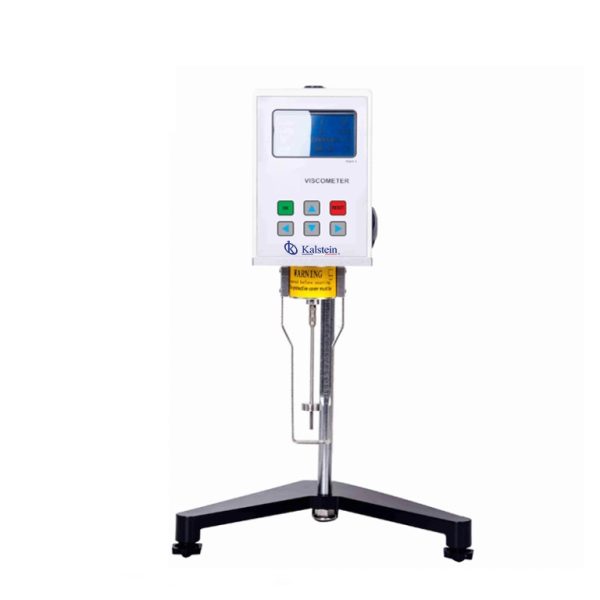
In an increasingly dynamic and demanding scientific landscape, efficiency and accuracy in laboratory processes are paramount. One critical area where a quiet revolution is occurring is viscosity measurement in biochemical research. Viscometers, instruments used to measure the resistance to flow of a liquid, have established themselves as essential tools. However, concerns about the slowness and accuracy of traditional viscosity analyzers have led to innovations that are transforming their functionality.
Viscometers and Their Role in the Biochemical Laboratory
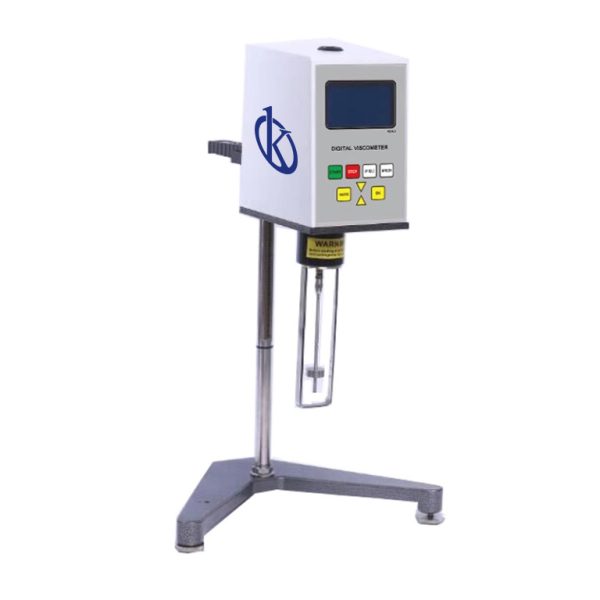
Viscometers occupy a vital place in biochemical laboratories and in the remote sensing and analysis of scientific data. These precision instruments act as flow resistance thermometers, measuring viscosity, i.e. the ‘thickness’ of liquids. Viscosity is determined by measuring the resistance of a liquid to being entrained or flowing under gravity or an applied force.
Evolution in Viscosity Measurement
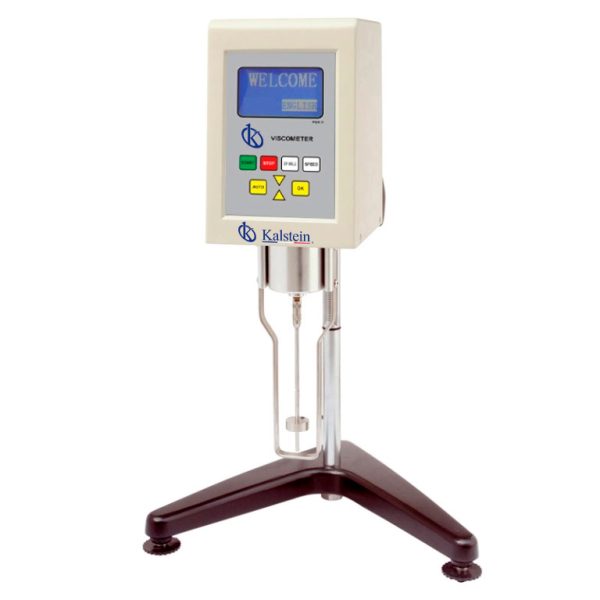
Viscosity, a fundamental property of liquid and semi-solid substances, determines how a liquid flows. Historically, viscosity measurement has played a vital role in a number of industries, including manufacturing, pharmaceutical, food and petrochemical.
The Vitality of Viscometers in Industrial Fluid Testing
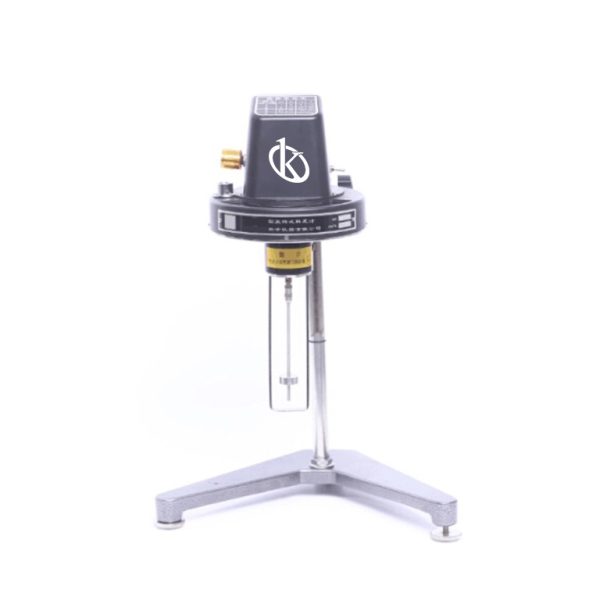
The viscosity of a fluid is an inherent property that determines its resistance to flow. This tacit attribute is of paramount importance in numerous industrial applications, such as food production, pharmaceutical manufacturing and oil and gas engineering. Integrating this equipment into industrial laboratories has significantly revolutionized the way fluid testing and analysis is conducted, optimizing not only its efficiency and accuracy, but also the quality and consistency of the final products.
Correct Maintenance and Care of PCR Thermalcyclers
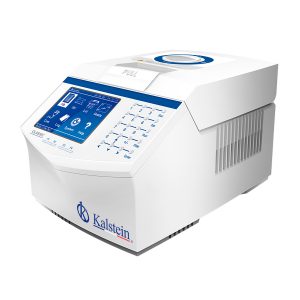
PCR thermal cyclers, also known as temperature grinders, are crucial tools in the field of molecular biology and instrumental in performing protein and DNA assays. However, proper maintenance of these machines is vital to ensure the accuracy of the results they generate.
Essential PCR Thermal Cycler Performance and Applications in Laboratory Diagnostics
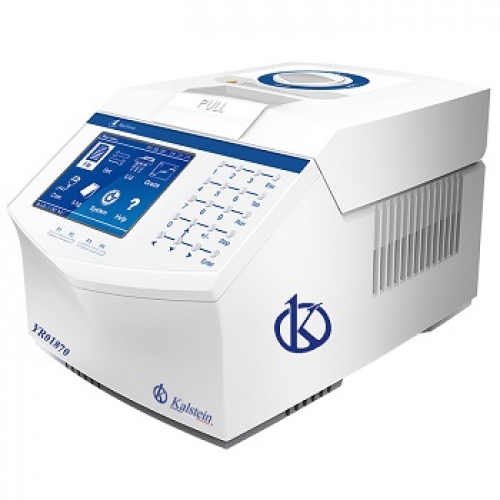
Laboratories are dynamic and highly demanding environments, where every process is constantly being optimized to ensure efficiency, accuracy and reliability. Within this landscape, PCR (Polymerase Chain Reaction) thermal cyclers become indispensable tools in the diagnosis and study of various diseases.
Efficient Use of PCR Thermocyclers
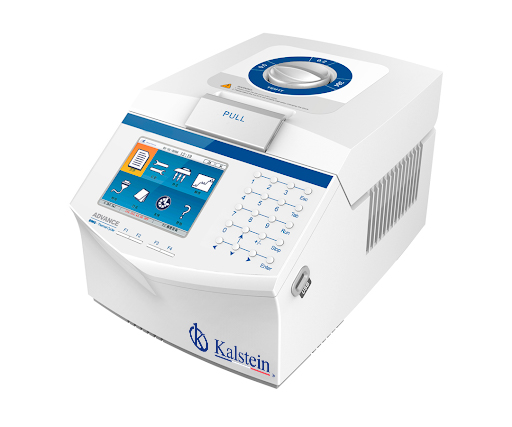
However, laboratory efficiency does not depend simply on the acquisition of a PCR thermal cycler, but on its efficient use. Optimizing the use of these devices can lead to a significant increase in laboratory productivity.
Recent Innovations in PCR Thermocyclers
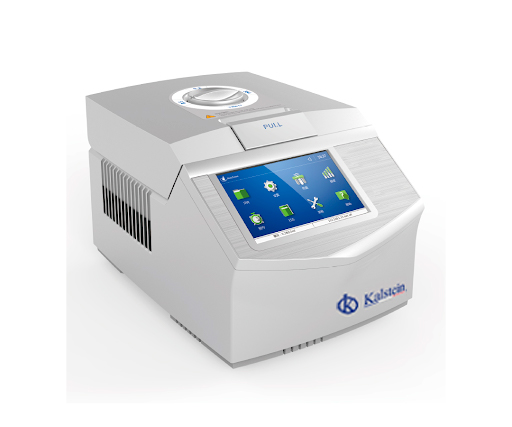
The PCR allows real-time monitoring of the PCR reaction, enabling more accurate and rapid measurement of nucleic acid levels. On the other hand, dPCR takes nucleic acid detection and quantification to even more detailed levels by dividing the sample into thousands of small droplets, each capable of an individual PCR reaction.