

Electric Incinerators the Best Option for Biochemistry Laboratories
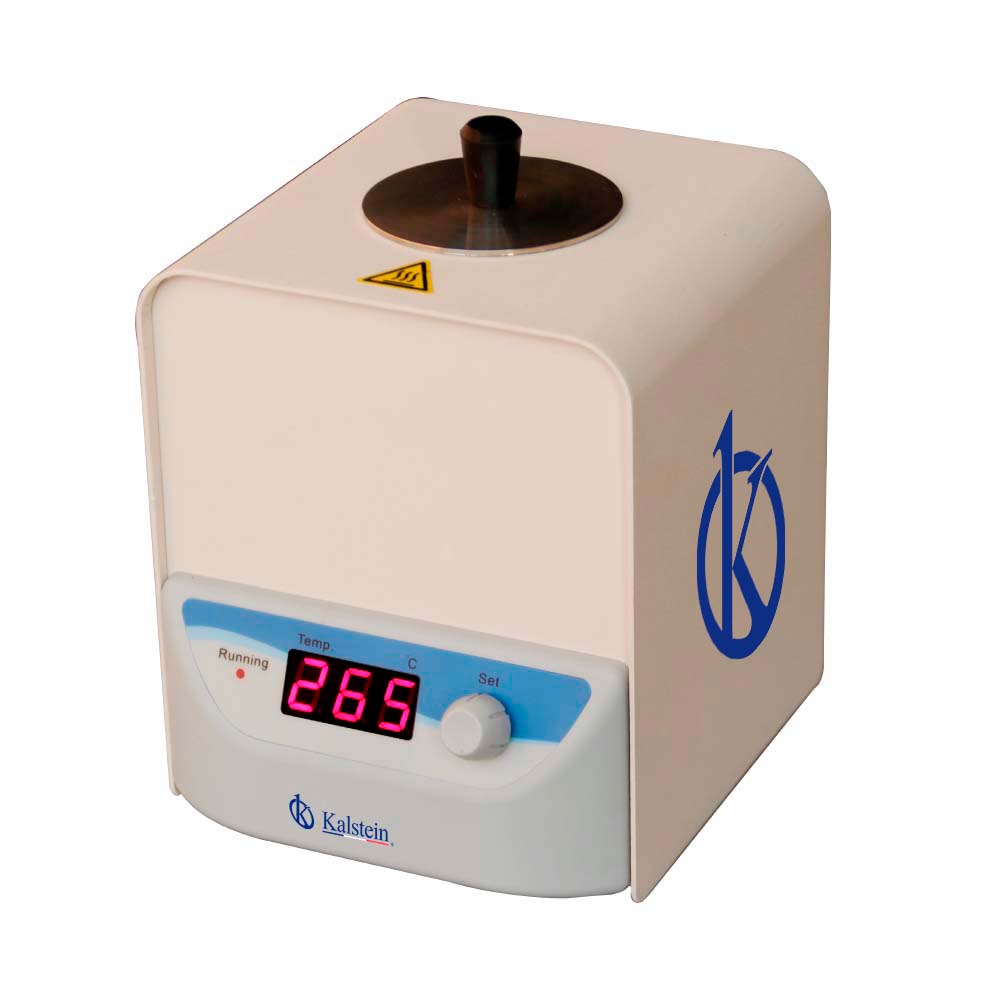
Biochemistry laboratories are spaces where experiments and tests are performed on biological materials. These tests require many hazardous materials that must be disposed of safely. These chemicals can be hazardous to health if not handled properly. For this reason, laboratories must ensure the safe disposal of these materials. This is why electric incinerators are the best option for these laboratories.
Electric Incinerators: Main Factors to Consider for a Biochemistry Laboratory
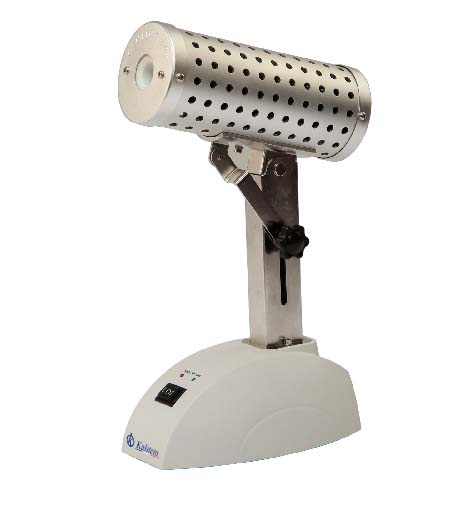
Biochemistry laboratories are spaces where various investigations are performed to analyze the composition, structure and function of…
Uses and Advantages of Electric Incinerators in the Biochemistry Laboratory
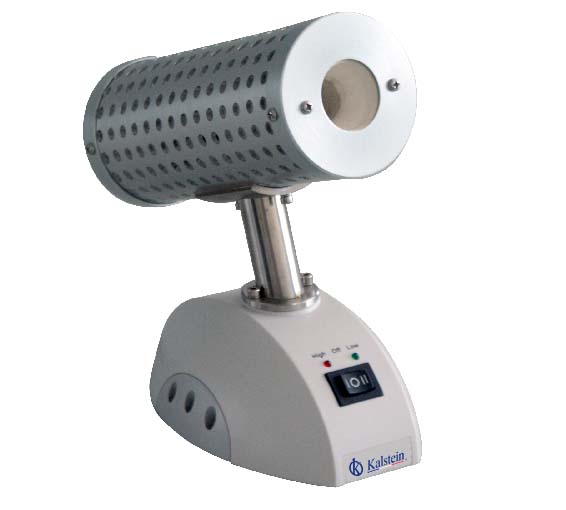
Electric incinerators are devices used to burn solid materials, contained in a sealed container. These devices process discarded samples from biochemistry laboratories with the objective of eliminating all organic materials and potential human health hazards. Electric incinerators are considered to be a simpler and more affordable form of incineration compared to conventional incinerators. This technology has been a resource-saving and safe solution for disinfection and disposal of biological waste, increasing the efficiency of laboratory procedures, therefore, it is a useful tool for biochemistry laboratories.
How do Electrical Incinerators Improve Safety in Biochemistry Laboratories?
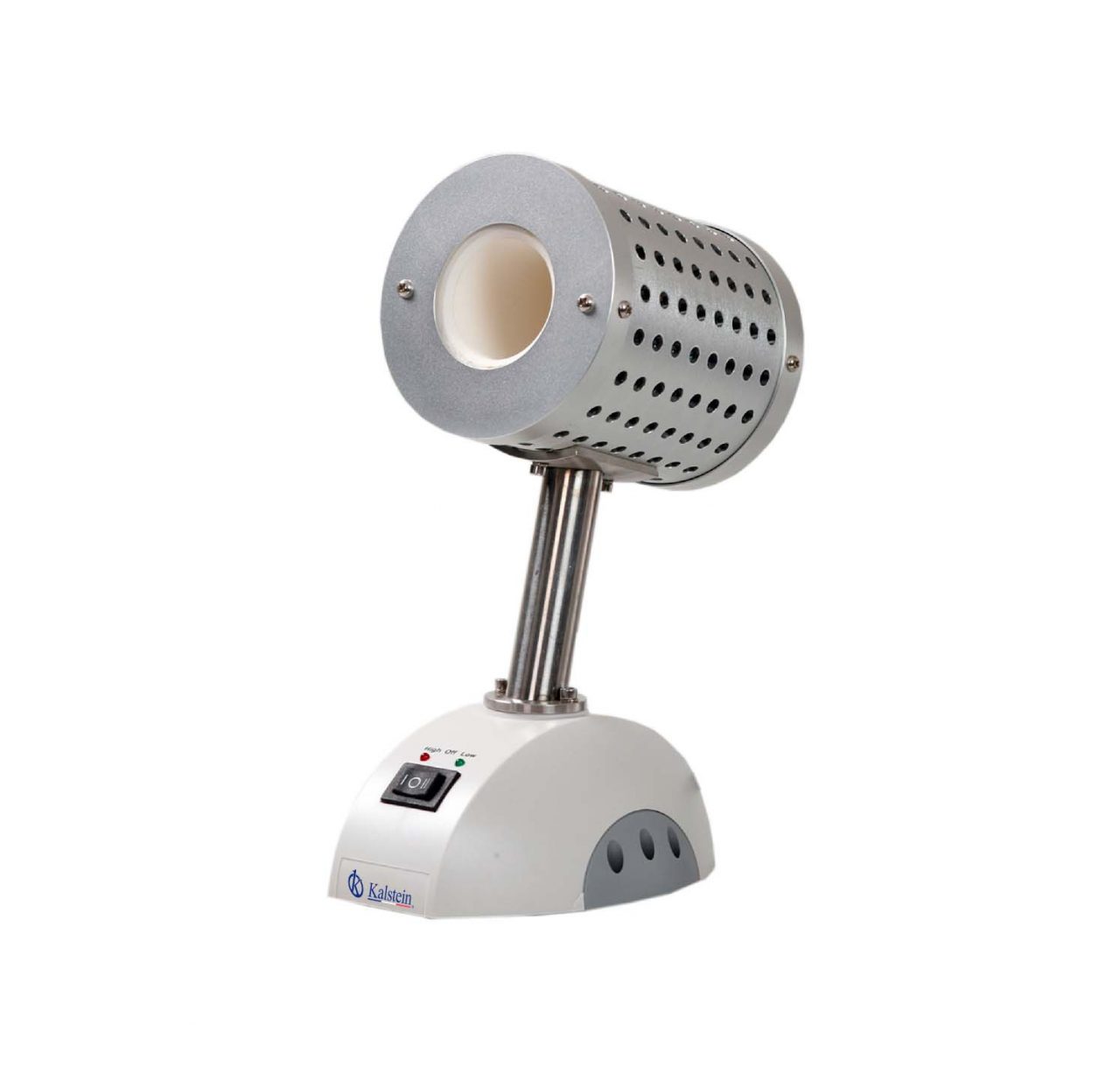
Electrical incinerators or bacticinerators are devices commonly used to safely dispose of contaminated material by sterilizing laboratory instruments. These devices work by manipulating waste at extremely high temperatures to destroy it completely.
How can Homogenizers improve the accuracy of results in biochemistry laboratory analysis?
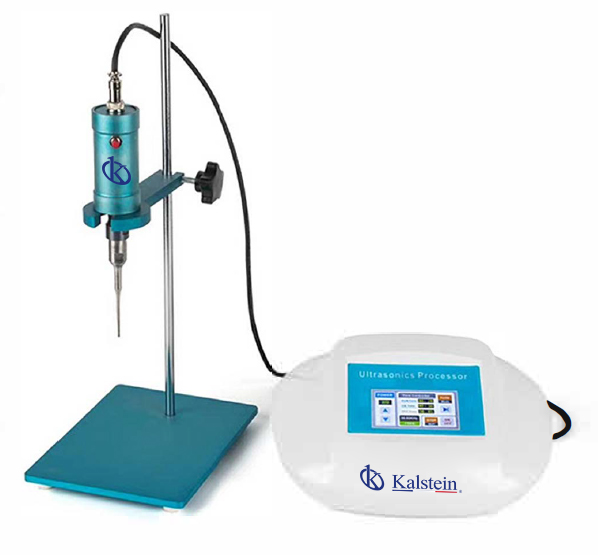
Biochemistry laboratory analyses are often used to detect specific chemicals in different samples. These analyses are very important for the diagnosis of various diseases, as well as for the identification of toxic or potentially hazardous substances. The accuracy of the results obtained depends mainly on the quality and purity of the sample analyzed. This becomes even more complex if the analysis involves the detection of protein molecules, as most conventional methods of analysis rely on homogenization of the sample prior to analysis.
Harnessing the multiple uses of Homogenizers in the biochemistry laboratory
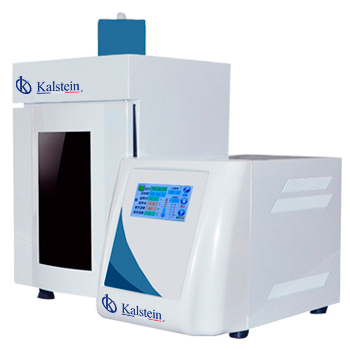
Homogenizer technology for use in biochemical laboratories has experienced a breakthrough in the last decade. This advanced equipment is used to create homogeneous solutions in samples at the molecular level. Beyond their classical applications in biochemistry, homogenizers have many other uses for scientific preparation in a biochemistry laboratory. Some of the configurations, applications and benefits of using homogenizers in the biochemistry laboratory are described below.
How can Homogenizers improve the results of biochemistry analysis?

Homogenizers are one of the most common laboratory devices and are commonly used for applications such as sample preparation for analytical purposes, such as extraction of proteins from cells to prepare extracts, preparation of extracts for ultra-sensitive analysis or extraction of natural products from plants and algae. This is done through homogenization, which consists of dissolving a substance or matter into microscopic particles in an external medium by high-pressure or shear mechanisms.
Use of Homogenizers to prepare biological samples in a biochemistry laboratory environment.
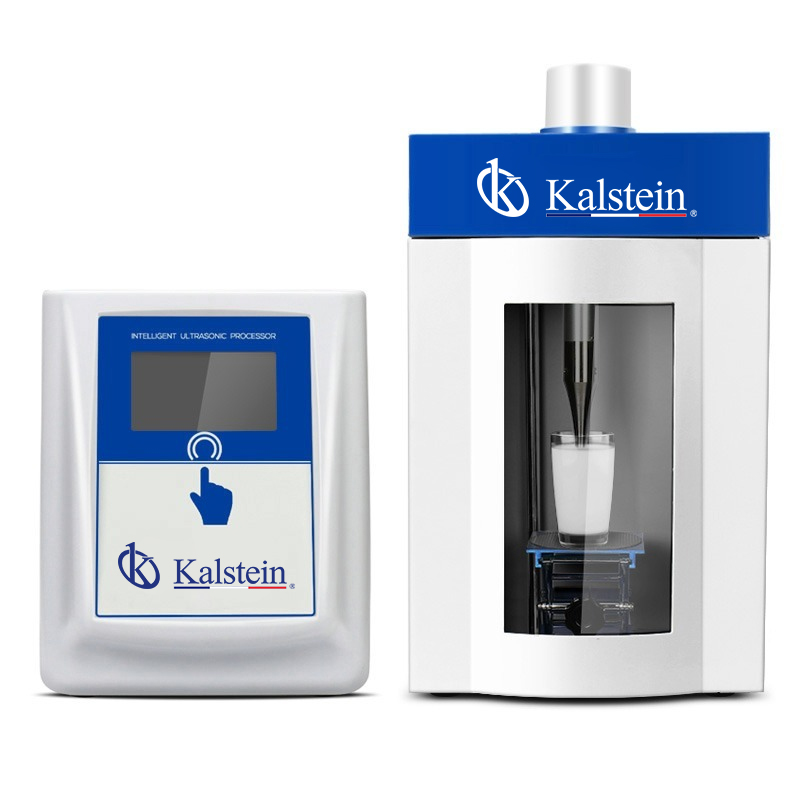
The use of homogenizers improves biological sample preparation procedures for biochemistry. A variety of devices and instruments have been developed for the automated preparation of biological tissue and cell samples for subsequent analysis. The incorporation of a homogenizer in a biochemistry laboratory is an excellent solution to improve analysis procedures and develop new technologies.
Is laboratory Fluorometer technology the best tool for sample analysis?
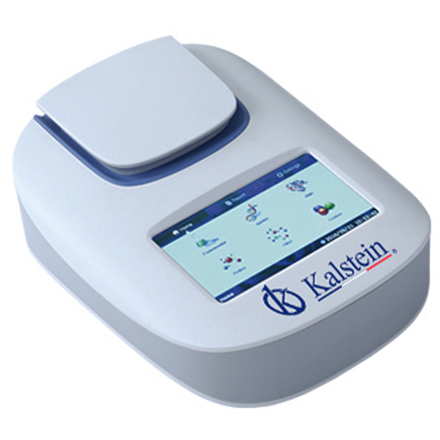
Laboratory fluorometers are incredibly useful in sample analysis. These high-tech tools have a variety of applications that make them an excellent choice for use in scientific research. This tool has the ability to take a sample and detect the major components. This is accomplished with the help of a photonic camera, which detects ultraviolet, visible and infrared rays.
The laboratory Fluorometer: how to ensure the reliability of the results obtained.
A fluorometer is an important laboratory device used to measure fluorescence levels in a sample. Due to its characteristics, it is one of the most widely used devices today to obtain accurate and reliable results. The use of a suitable fluorometer can guarantee the quality of the results obtained, offering an effective tool to help develop new discoveries in laboratories. This article will present the main features and uses of a fluorometer, recommendations to ensure the reliability of experimental results and some tips for its use in the laboratory.