

How is the laboratory incubator used?
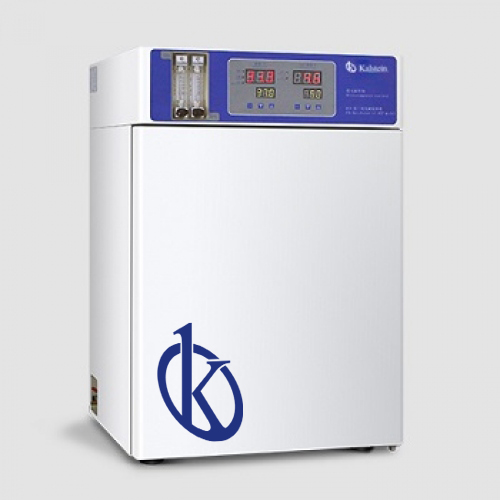
The laboratory incubator is a piece of equipment capable of maintaining the optimum temperature and humidity necessary to maintain microbiological and cell cultures; It also maintains the oxygen and carbon dioxide levels within it. She is in charge of conditioning the environment and storing the cultures for the proper development of microorganisms.
CO2 incubator: Recommendations and care
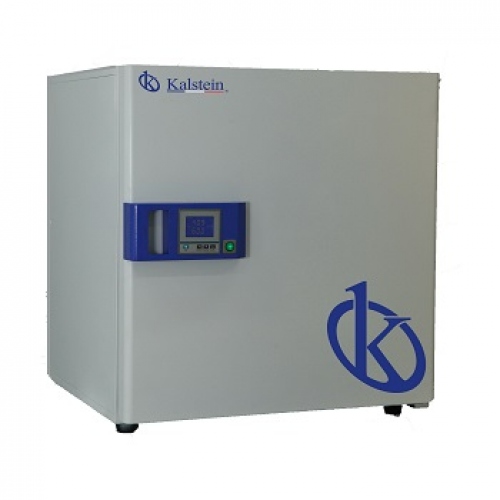
A CO2 incubator is a laboratory equipment that is also called a gasification incubator, and is used to carry out the development of cell and tissue cultures through a natural atmosphere. This culture of living organisms in vitro is one of the main applications of CO2 incubators. That is why these devices are widely used in medical research and in the pharmaceutical industry in: manufacturing of tissue engineering products, in vitro fertilization, diagnostic medicine, cancer research.
What is a Transmission Electron Microscope?
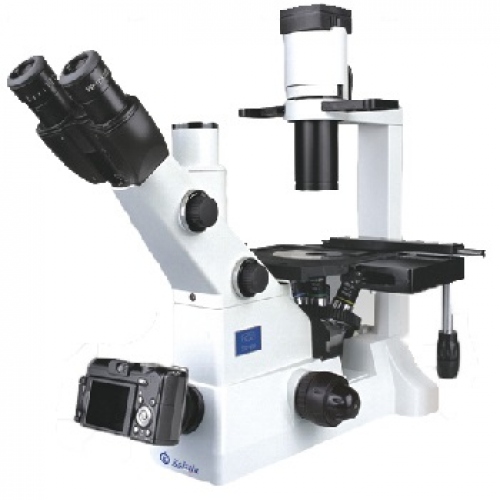
The transmission electron microscope is a laboratory equipment, able to transmit and diffuse from electrons to form images, so that in this way, information about the crystalline structure can be reached, through the emission of X-rays, to know the elemental structure of the sample.
What is a Scanning Electron Microscope?
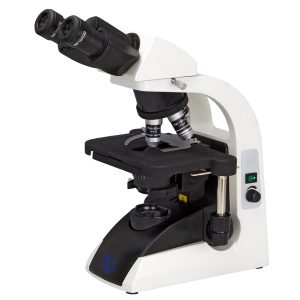
Scanning electron microscopy is a method capable of structuring a great complexity of materials, such as nano-structured, metal alloys, polymers, minerals, fibers, thin films, biomaterials, and in some cases samples with high moisture content, is very versatile, allows to supply information and surface characterization of organic and inorganic materials, showing morphological information, quick chemical composition, effective and parallel of the analyzed material.
What is a Stability Test Chamber?
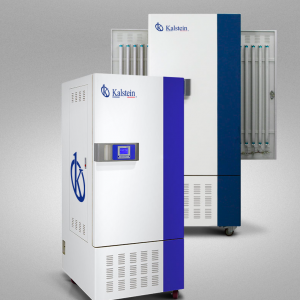
The stability test chambers are used in the pharmaceutical, food and cosmetics sector, able to store products, such as biological samples, reagents, serums, vaccines, insulin, some antibiotics, eye drops and eye ointments, to be stored between 2°C and 8°C, and not lose their properties, through temperature conservation, with advanced technology, as part of a productive or regulatory process.
How is a Sample Digested?
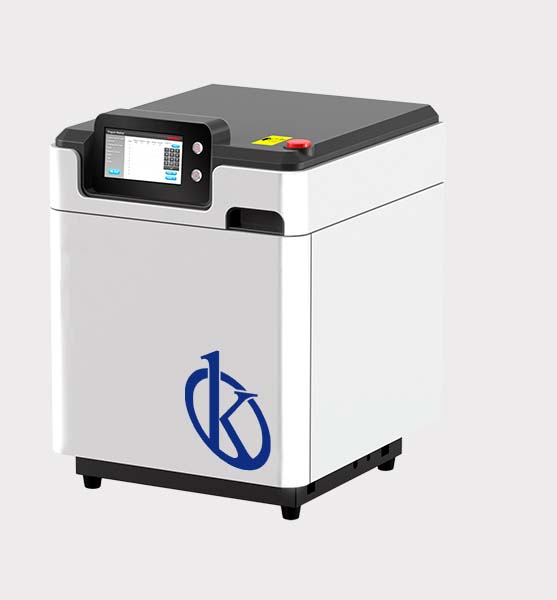
The digestion of samples is carried out through standard procedures for the preparation, by heating them, in transparent airtight containers, together with the acids necessary for the studies. For this, the Microwave Digestion equipment is used, where it applies usual parameters, such as temperature, which range between 220-240ºC, depending on the sample that requires to be subjected to heat, generating partial or complete degradation of the sample.
What are the differences between a Bath of Mary and an Oil Bath?
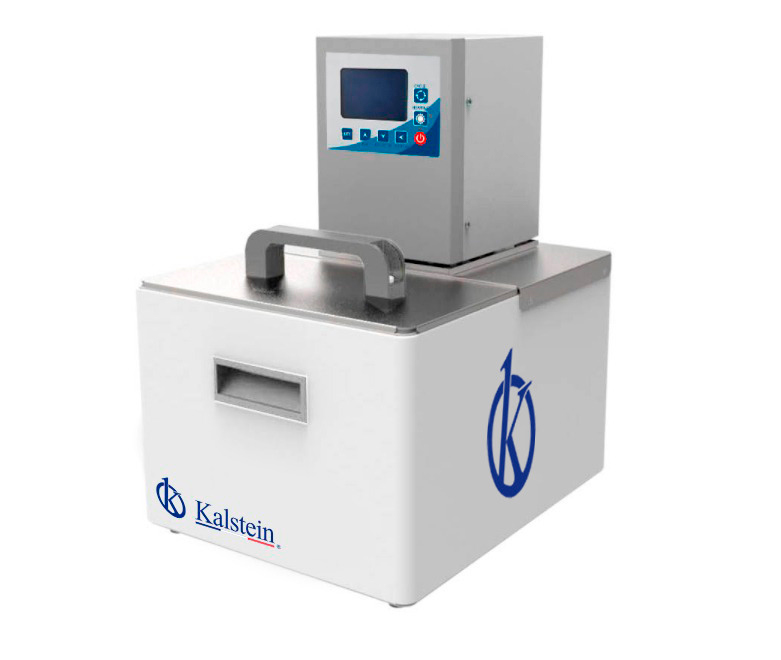
A laboratory bath is a thermostatic equipment operated for chemical research studies, transferring heat indirectly, by thermal convection, to a sample that requires analysis uniformly.
What are planachromatic targets and what are they used for?
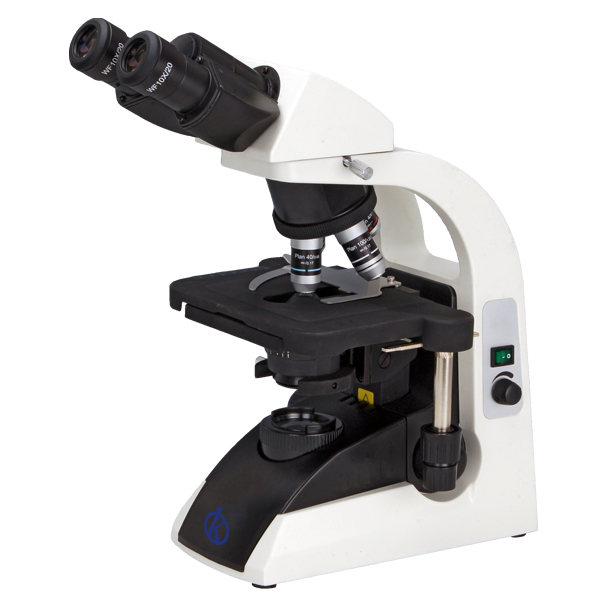
Planachromatic lenses are specialized lenses that provide good field flatness and are specially designed for routine microscopy with fluorescence and light-field modes. Useful in clinical research and laboratory testing.
What is an Ecological Microscope?
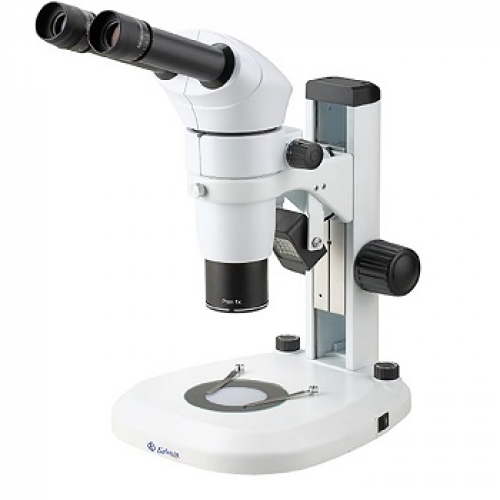
The microscope is an instrument that increases the size of an image and allows you to see more details than would be possible to see with the naked eye. There is a wide variety of microscopes, of which the ecological microscope is of relevance.
Laboratory microscopes: types, uses, and applications
Currently there are a wide variety of microscopes for different applications in the laboratory. Its main differences are in the imaging system, lighting, configuration and design.
Microscopes are today essential devices in any laboratory, some have simple designs while others are more complex devices. They have been evolving at an accelerated pace, thanks to the development of modern technologies that have allowed the emergence of many types of microscopes with very specific uses and applications, among the most notable are: