

What safety precautions should be taken when using recirculating coolers for evaporators in the chemistry lab?
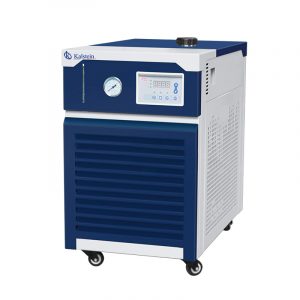
In conclusion, when working with recirculating coolers, it is important to take proper safety precautions to ensure a safe experience. This includes checking the pre-condition of the equipment, reading and following safety instructions for equipment use, using proper fluid shields, performing periodic cleaning of the equipment, and ensuring that established safety recommendations and protocols are followed.
Ultrasonic Cleaners Chemical Preparation Compatible Technology
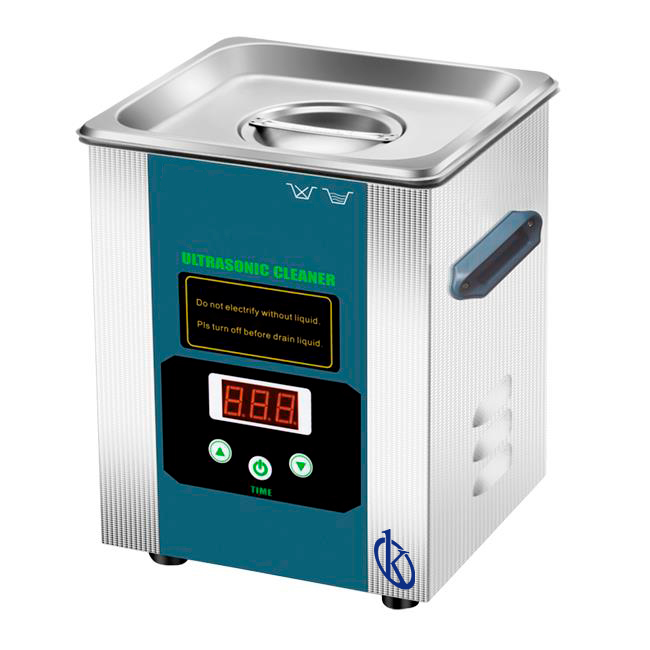
They use a series of mechanical energies to wash the objects undergoing the process of any dirt or impurities. This mechanical energy is created by the emission of small waves through a liquid, either water, detergent or solvents, and is amplified by a sound carrier. This causes the objects immersed in the liquid to be clean and free of impurities in the shortest possible time.
Ultrasonic Cleaners Faster, Less Noise for Your Industrial Operation
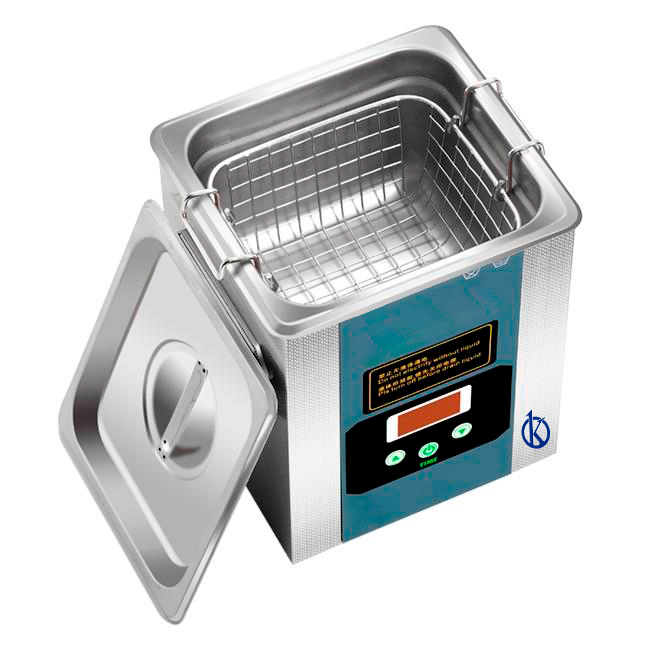
Ultrasonic cleaners are designed to clean contaminated parts by means of ultrasonic vibrations or microwaves. These cleaners are frequently used in industry to remove dirt, grease and contaminants from housings, engine parts, electrical equipment, among others. They offer a higher and more precise level of cleaning than traditional methods, such as manual cleaning, sandblasting or the use of solvents. Ultrasonic cleaners come in many different configurations, from small units for domestic use to large industrial machines for high volume cleaning processes.
Ultrasonic Cleaners Use Advanced Technology to Clean your Equipment
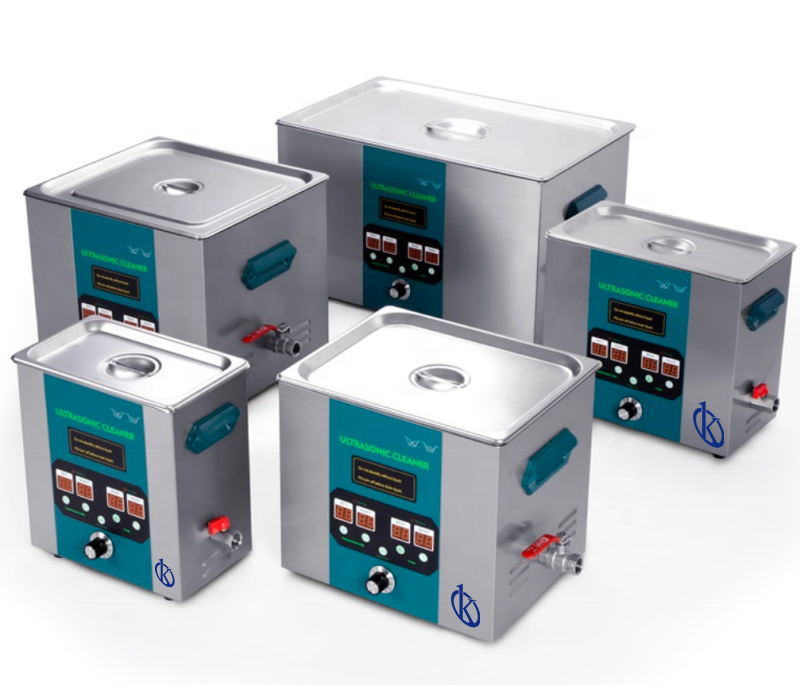
Ultrasonic cleaners are a state-of-the-art cleaning technology that provide professional results without the use of chemicals. These powerful cleaners are easy to use and provide unmatched cleaning efficiency, even on normally inaccessible surfaces. This article explores the benefits of ultrasonic cleaners, the principles of ultrasonic cleaning technology, factors to consider when purchasing an ultrasonic cleaner, and some safety practices for using ultrasonic cleaners.
Laboratory Microplate Washers: The Engine of Scientific Innovation
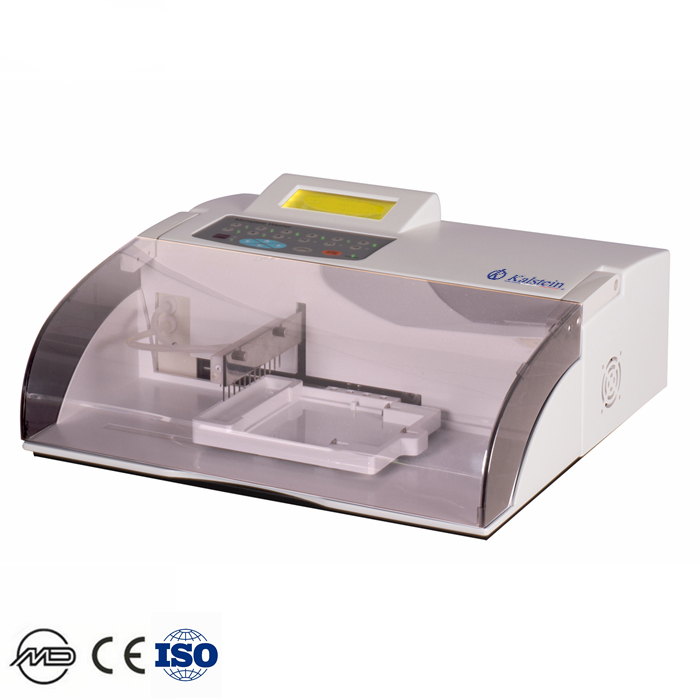
Laboratory microplate washers are a disruptive technology that has changed the format of scientific research and drives innovation. These tools allow scientists to reduce extraction, mixing and liquid preparation times in laboratory experiments. This, in turn, allows them to optimize time in analytical processes and save resources.
Exploring new scientific frontiers with laboratory microplate washers
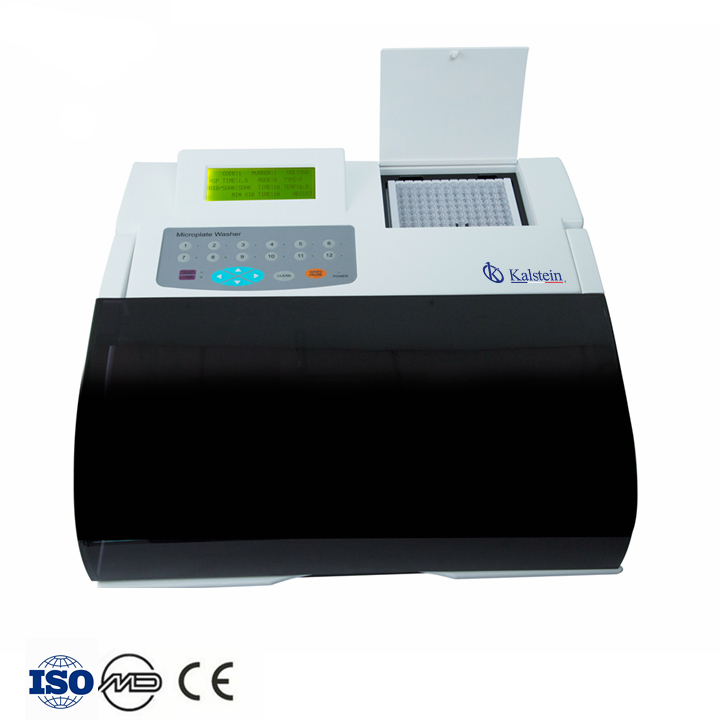
Microplate washers, a patented product of recent years, have become one of the essential tools for scientific research. These modern devices offer an enormous possibility to efficiently and rapidly explore various scientific areas, especially those related to protein purification, molecular biology, gene analysis, microbiology and clinical diagnostics. Kalstein as a manufacturing company we make sure to cover all your needs and satisfy your laboratory requirements, reminding you that we are manufacturers, we have the best price, sales consultants in any window of the world, know our YR series of microplate washers HERE.
The Latest Technology in Laboratory Microplate Washers for Scientific Research
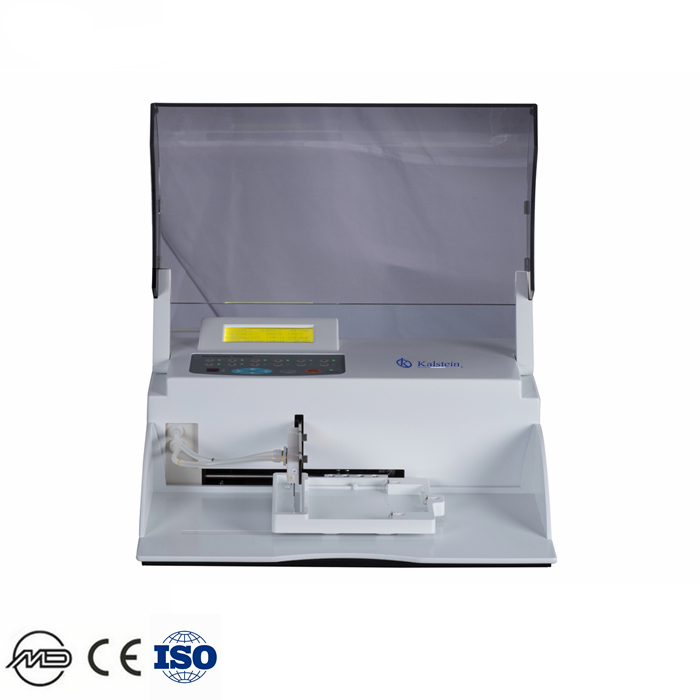
Scientific technology is constantly evolving to enable better performance in laboratory experiments. The right investment in the right technology ensures that researchers have the best equipment to obtain the best results. This time we will be looking at laboratory microplate washing.
Electric Incinerators the Best Option for Biochemistry Laboratories
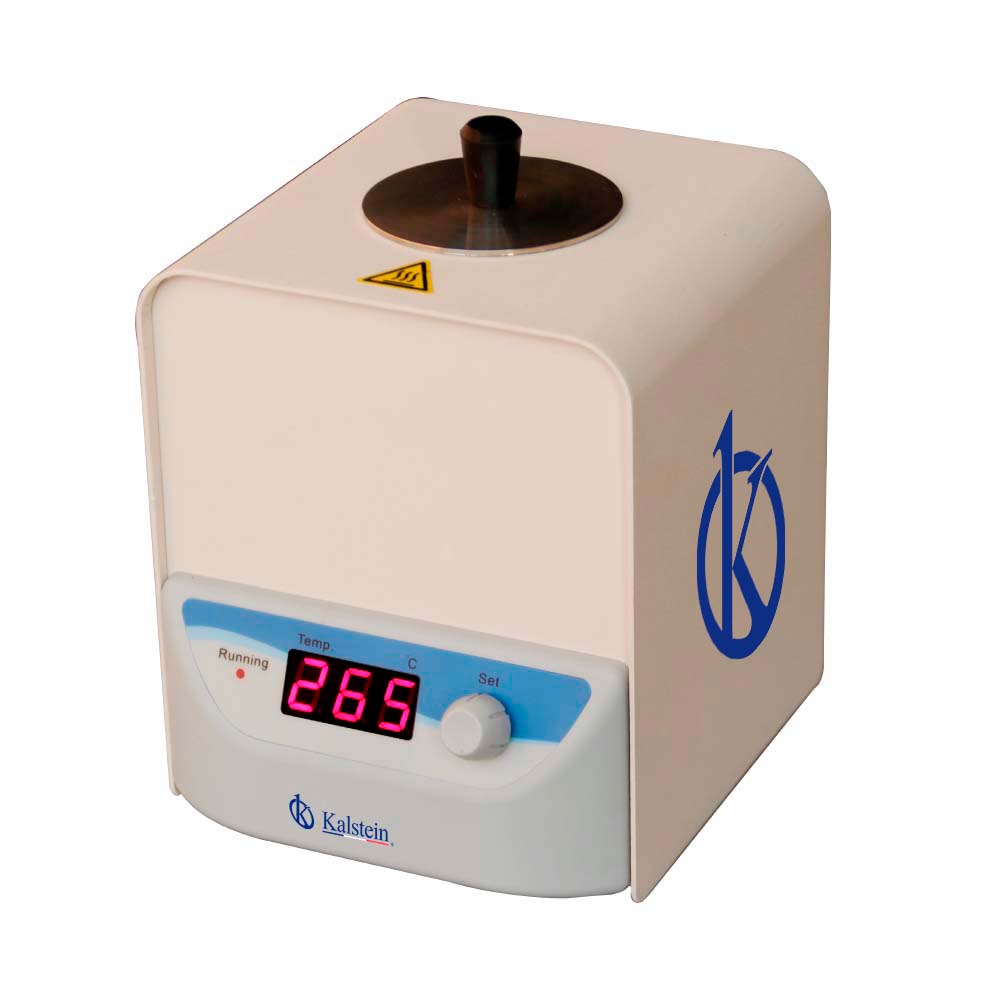
Biochemistry laboratories are spaces where experiments and tests are performed on biological materials. These tests require many hazardous materials that must be disposed of safely. These chemicals can be hazardous to health if not handled properly. For this reason, laboratories must ensure the safe disposal of these materials. This is why electric incinerators are the best option for these laboratories.
Electric Incinerators: Main Factors to Consider for a Biochemistry Laboratory
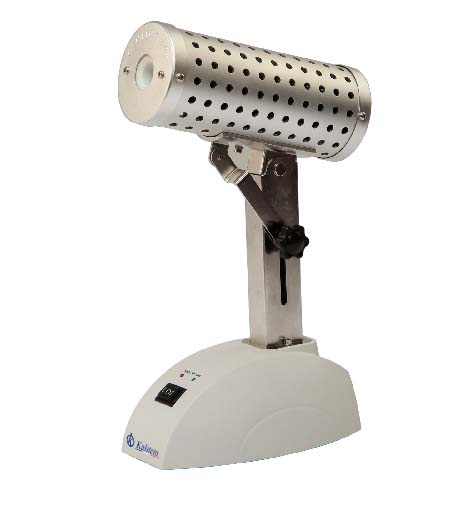
Biochemistry laboratories are spaces where various investigations are performed to analyze the composition, structure and function of…
Uses and Advantages of Electric Incinerators in the Biochemistry Laboratory
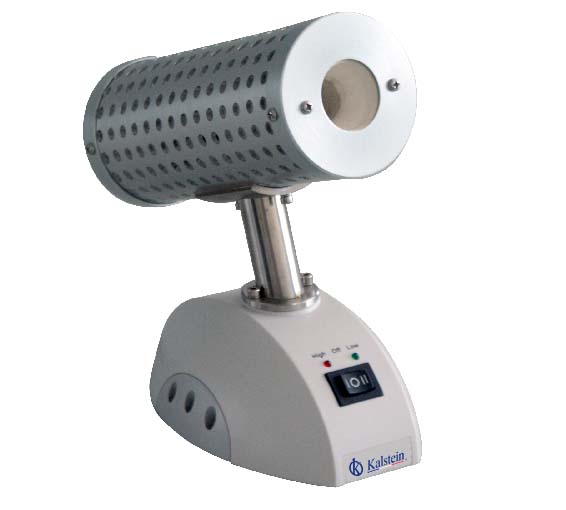
Electric incinerators are devices used to burn solid materials, contained in a sealed container. These devices process discarded samples from biochemistry laboratories with the objective of eliminating all organic materials and potential human health hazards. Electric incinerators are considered to be a simpler and more affordable form of incineration compared to conventional incinerators. This technology has been a resource-saving and safe solution for disinfection and disposal of biological waste, increasing the efficiency of laboratory procedures, therefore, it is a useful tool for biochemistry laboratories.