

Importance of the laminar flow hood in the handling of medical specimens
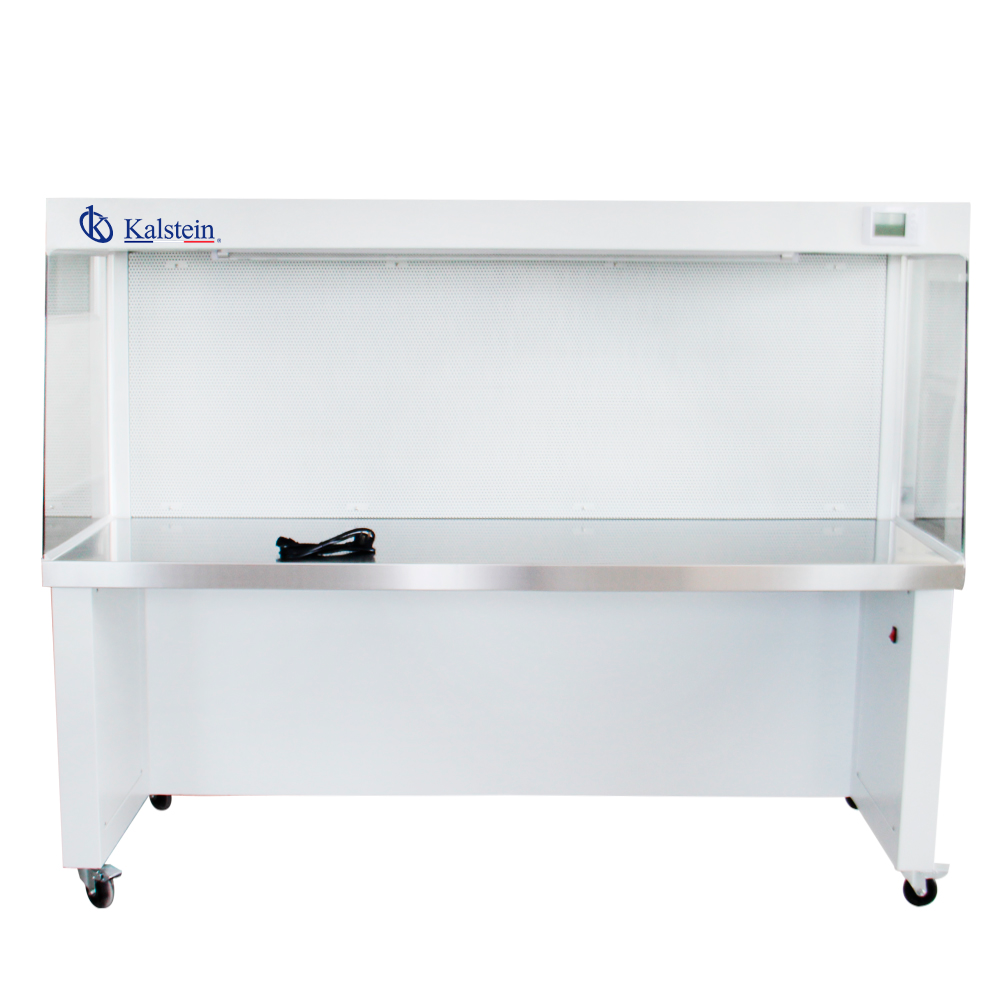
The laminar flow bell is a vital tool in clinical laboratories, hospitals and other medical care facilities that offer evidence and procedures involving the manipulation of medical samples. This technology-based tool is critical to maintain sample quality, to ensure the safety of the professionals handling the sample, and to ensure that the quality of the results is not affected by contamination that occurs during the handling process. In this tool, laminar flow is used to reduce the amount of microorganisms that are entrained in the air and come into contact with a sample being handled.
Benefits and needs of a Laminar Flow Hood in a medical laboratory
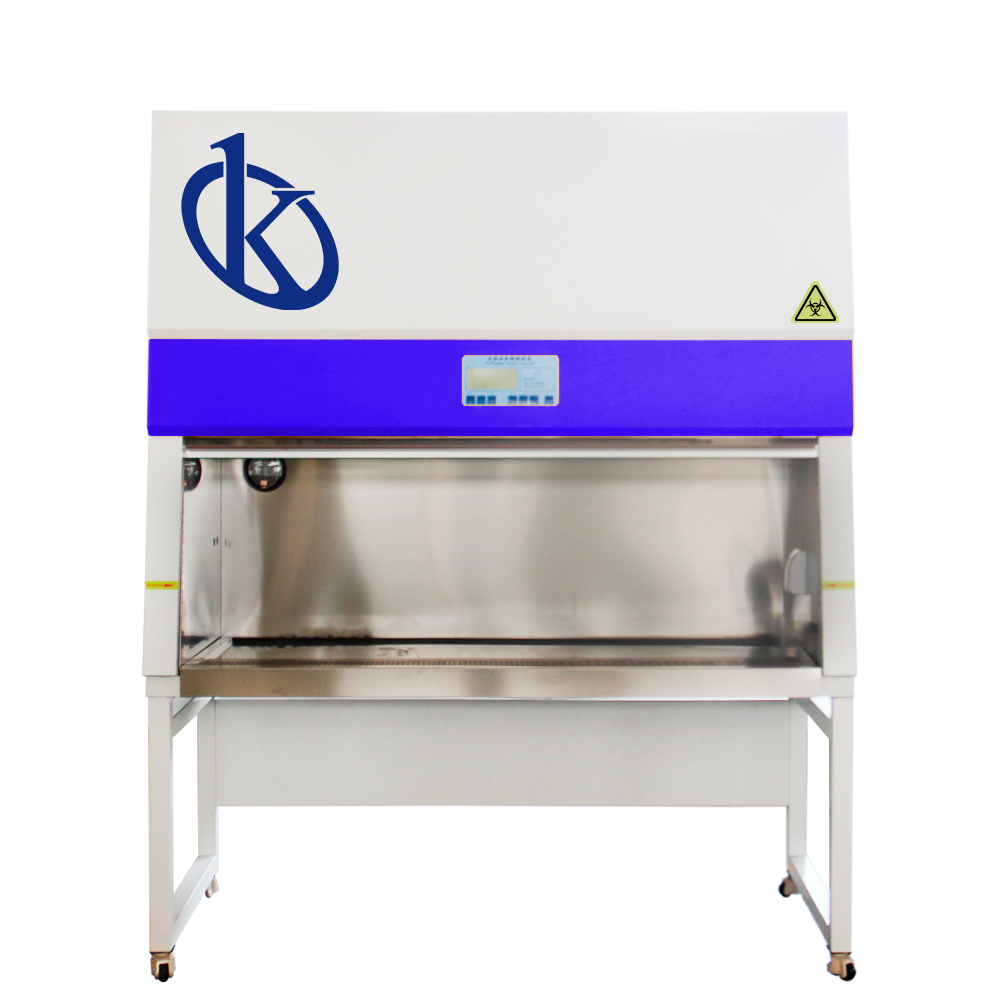
A CFL not only improves the air quality in a laboratory, but also allows laboratory users to save time and energy. This is because with a laminar flow hood, lab operators do not have to worry about performing thorough cleaning and disinfection procedures after each use. This means they can spend less time cleaning the space and focus more on day-to-day work to reduce energy costs and preserve any product on site. In this way, a CFL offers greater performance, both in the field of health safety and efficiency.
How to make the most of the laminar flow hood in a medical laboratory
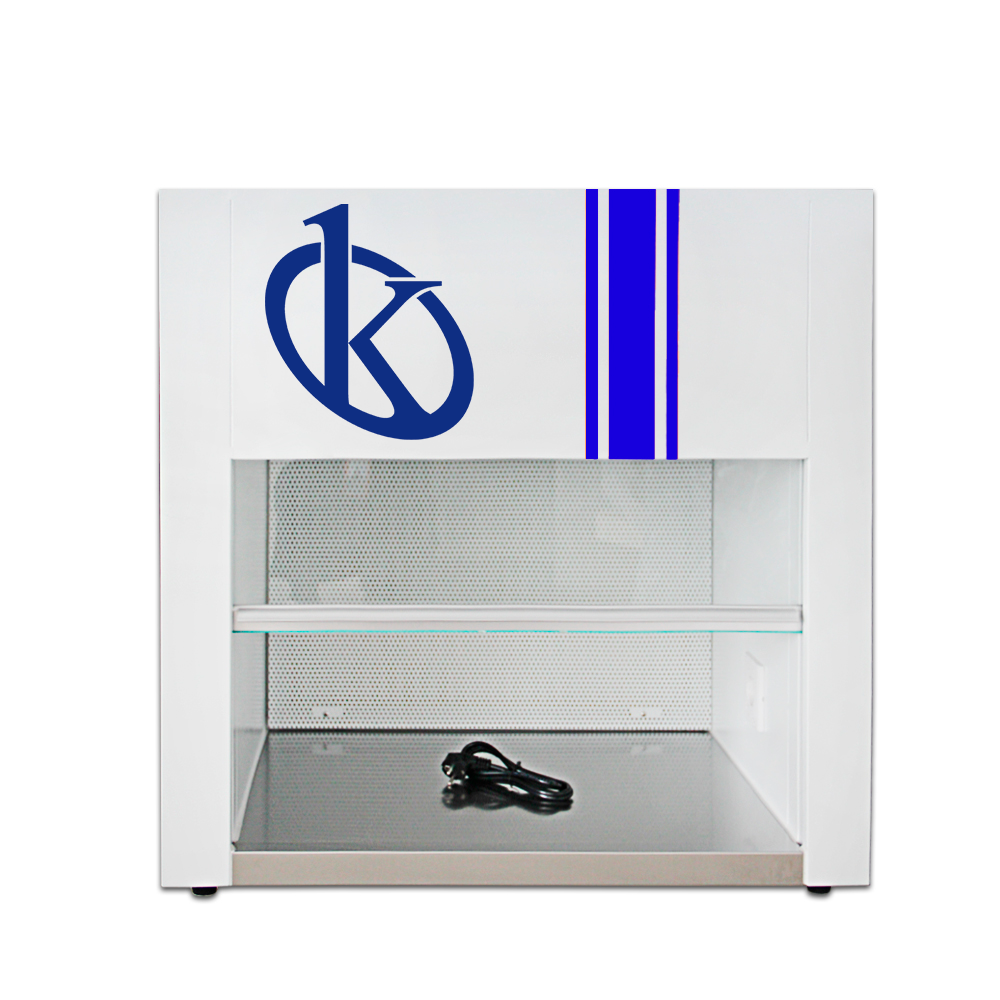
First, physicians should be sure to follow established protocols. This means checking all equipment, making sure it is clean and free of contaminants. If there is anything out of the ordinary, a qualified professional should be notified for immediate review.
How the tissue processor contributes to the advancement of evidence-based medicine in anatomic pathology
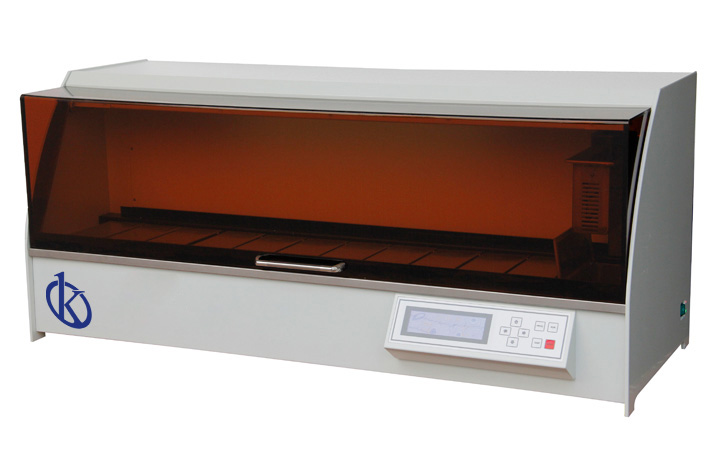
Using a tissue processor as part of the diagnostic process speeds up tissue examination by providing results immediately after extraction and saves resources by reducing the number of manual steps taken when performing a biopsy. Samples are also properly preserved for later results, resulting in more accurate information and faster diagnosis. Its ease of use is of benefit to all departments in the pathology department where the samples are collected and analyzed.
How tissue processor technology improves pathology diagnosis

Tissue processors have a wide range of applications in disease diagnosis. For example, they are widely used for the detection of development and progression of diseases such as cancer, inflammatory and neurodegenerative diseases, among others. Some PTs have also been used to aid complex cytopathological diagnoses, such as breast cancer, rectal colon cancer and glioma. This allows non-clinical medical professionals to obtain complete and detailed information about tissues more accurately, greatly expanding the possibilities for accurate diagnoses.
What benefits can tissue inclusion systems bring to the study of Anatomic Pathology?
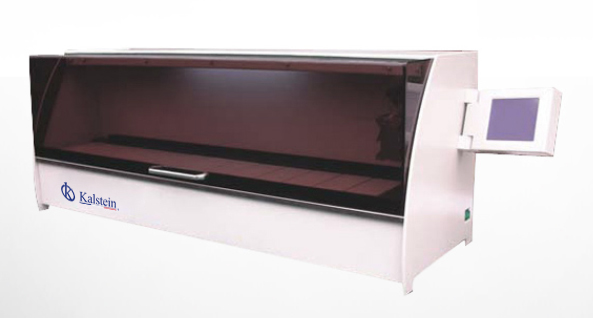
Ultimately, SISTs offer pathologists multiple benefits in terms of work efficiency, safety and quality. This allows healthcare professionals to have tools that facilitate their involvement in pathology examinations, allowing for greater certainty in diagnoses and results. As a whole, the use of TIS is contributing enormously to the clinical practice of Anatomic Pathology.
How Tissue Inclusion Systems can be used in the practice of Anatomic Pathology
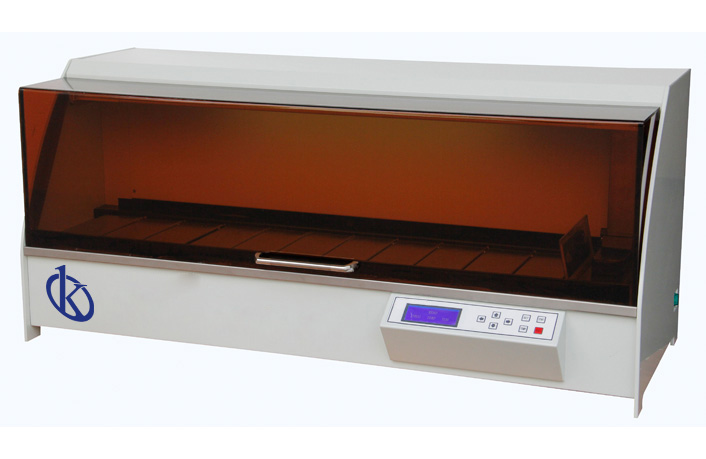
The application of tissue inclusion systems in anatomic pathology enables disease-specific diagnosis, providing pathologists with the information they need for correct treatment. These systems are characterized by providing tissue inclusion in materials designed to protect the tissue from desiccation, thus allowing the preservation of individual tissues for accurate and reliable diagnoses. In addition, they also offer a high capacity for pattern detection and the evaluation and diagnosis of samples, helping to minimize variations in the quality of the result.
The Laboratory Stirrer is a Valuable Tool for Handling Sensitive Materials, such as Reagents, Liquids and Solids.
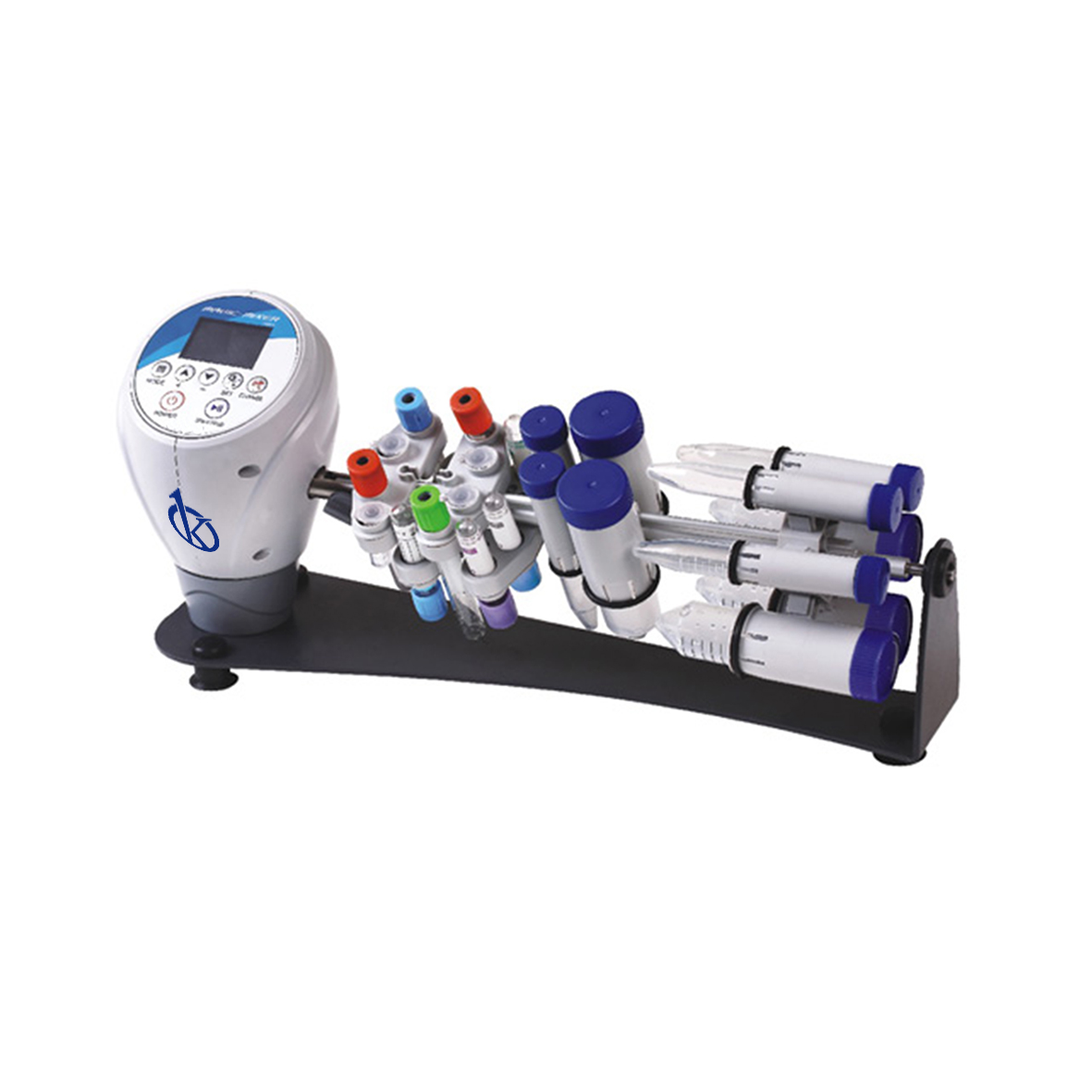
The use of a shaker allows the creation of a clean and safe space to perform any experiment. This is because stirrers prevent the incorporation of impurities into the sample, since their design prevents other tools from coming into contact with the sample.
Laboratory Stirrers Must Be Calibrated Frequently to Ensure Reliable and Accurate Results
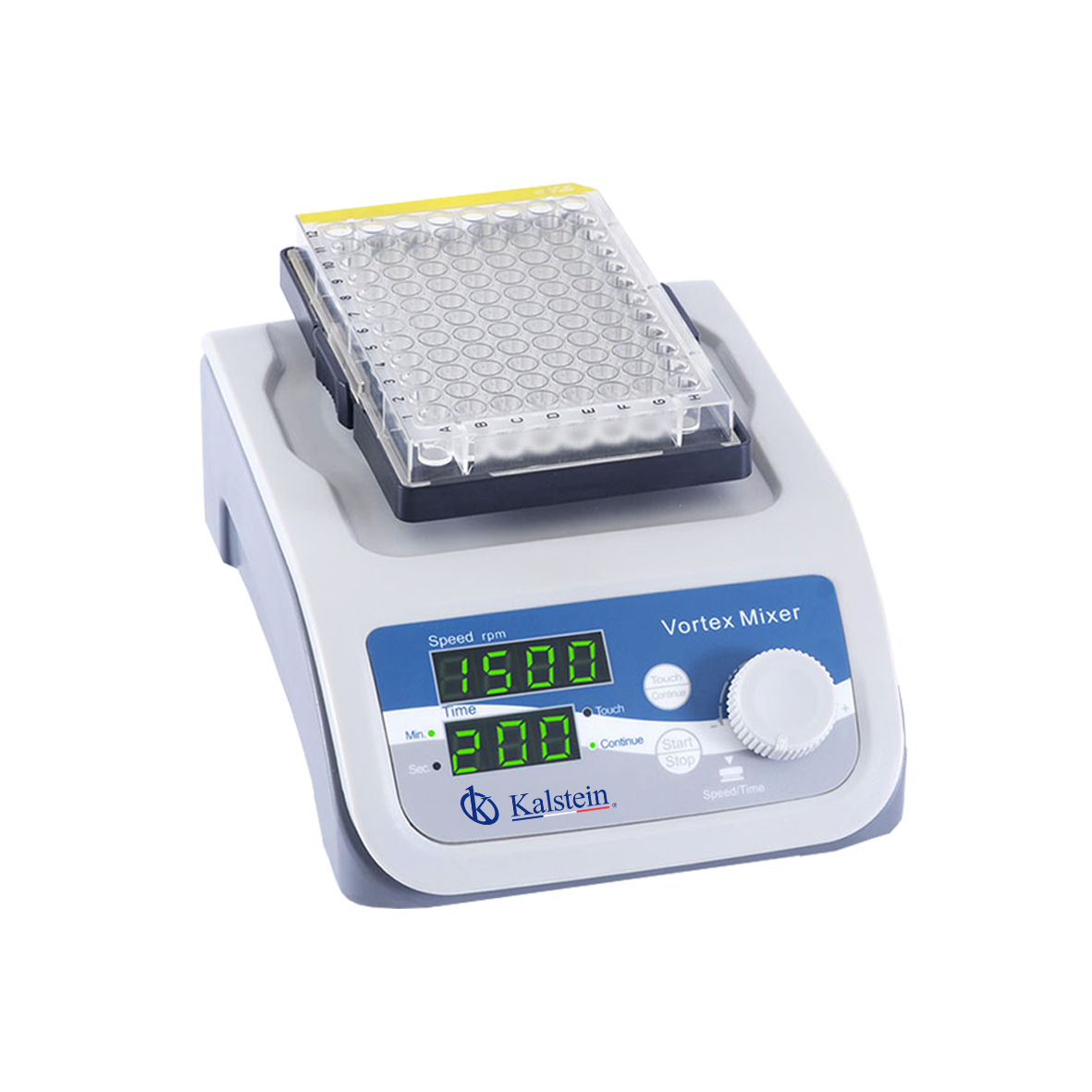
Laboratory stirrers are used for mixing liquids in many laboratories within the food, pharmaceutical, chemical and many other industries. These machines are of crucial importance in the search for results that are robust and reliable. For this reason, laboratory stirrers must be calibrated frequently to ensure accurate and reliable results.
Laboratory Stirrer Used to Mix, Agitate, and Homogenize a Variety of Liquid Materials
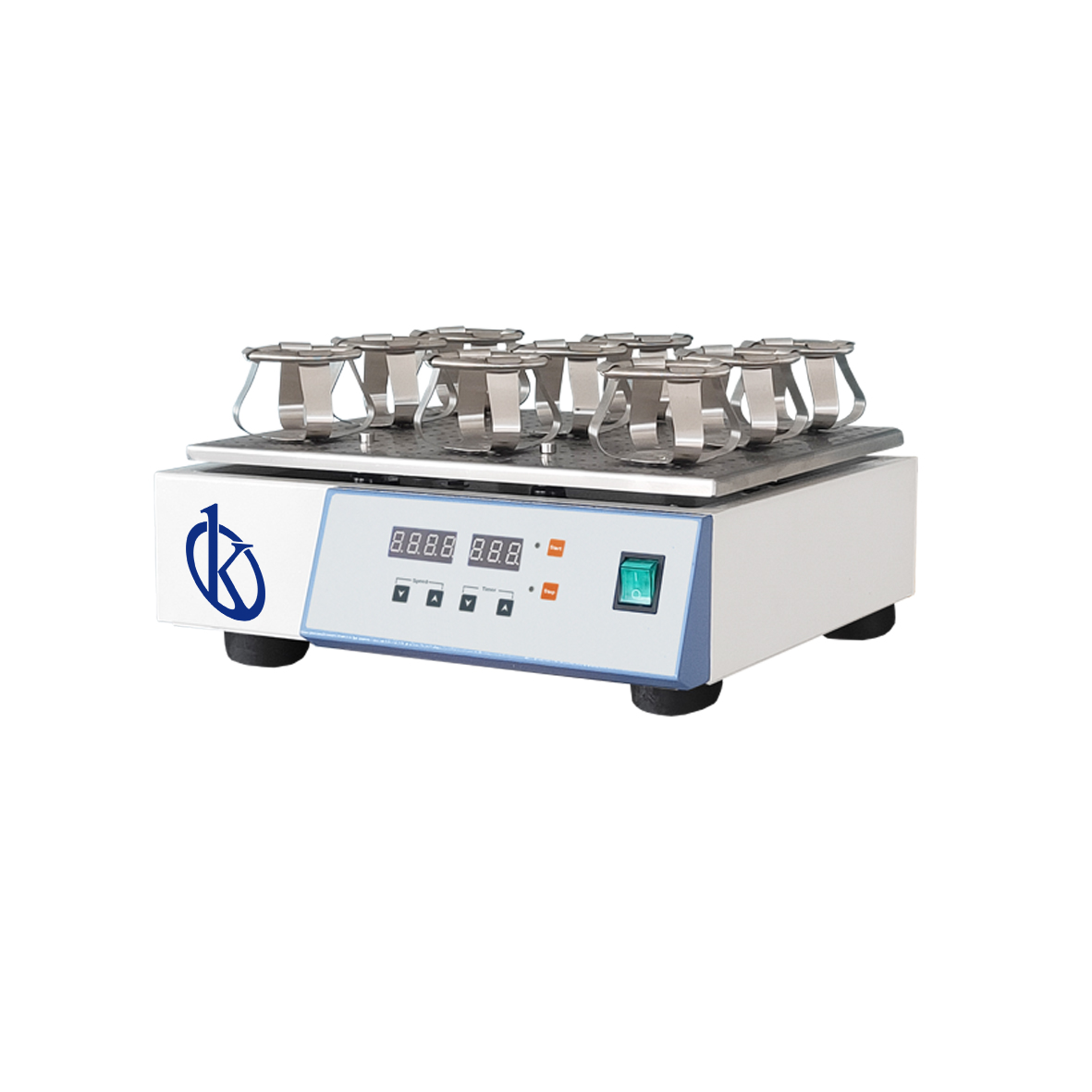
In conclusion, the laboratory shaker is an important piece of equipment used in many life science, chemical, electrical, pharmacological, and clinical medicine laboratories. It is specifically designed to mix, agitate and homogenize a variety of liquid materials. It has various types of rotating and static impellers that allow for homogeneous and high quality mixing. These agitators are being increasingly used in fields such as the food, pharmaceutical and medical industries.