

How many parameters does a vital sign monitor have?
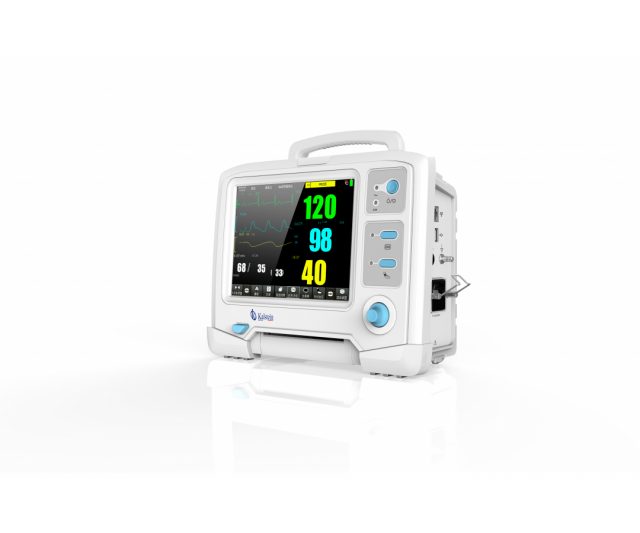
A vital signs monitor is electronic devices commonly used in intensive care units, and hospitalization and emergency services to continuously monitor the patient’s vital signs or constants, as these equipment has the ability to continuously detect, process and deploy complex physiological parameters of the patient.
How do you compose an operating room?
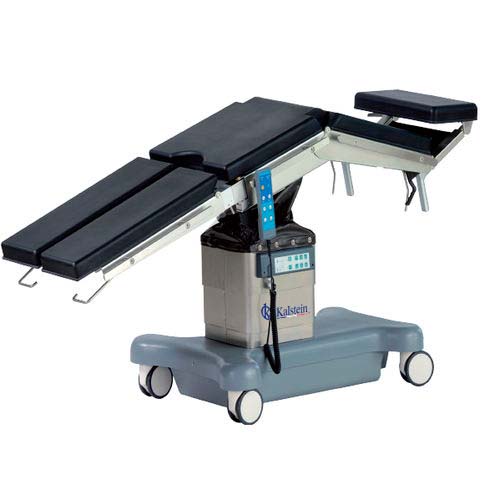
Firstly, in all medical units, the ideal furniture within the surgical field transforms the performance of the medical staff into new and good management for the health of the patient.
How is a surgical table divided?
The surgical table, as an essential part of the operating room, is designed to provide safety and comfort to patients who require it, in addition, it is functional for any medical intervention, consisting of a column, the top and the transporter.
Differences between non-halogen incandescent light and halogen incandescent light in an operating room lamp?
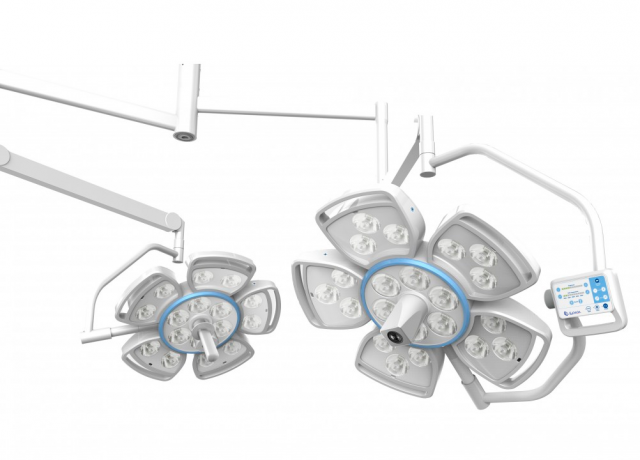
Surgical lamps are equipment intended to provide high quality lighting for procedures in hospital and emergency rooms. These equipments are made with incandescent lights, which are halogen type and not halogen, have similar characteristics, providing bright lighting, these originate in the decade of the 60’s, when halogen lamps were used for the first time, although at that time, they were still used very isolated and with low power results. With the arrival of the 1990s, the action of the first non-halogen lamp, also known as LEDs of intense brightness, which served to make this type of equipment gaining more and more presence.
What color should an operating room have and why?
What at first glance could be a choice taken at random, or relatively, is actually a more than reasonable manifestation, and is a reference to the color on the walls of the operating theaters. Interestingly, the idea of starting to implement the color green or blue in the operating room area, which complements the color red, causes the reduction of eye tensions and decrease of nervousness in surgeons, avoiding fainting in those less experienced professionals.
Spectrophotometers: care and maintenance
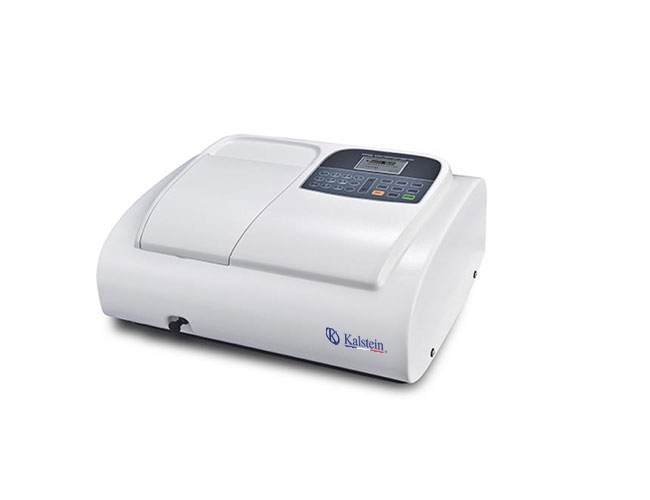
A spectrophotometer is an instrument used in laboratories to measure the absorbance of a sample, as a function of the wavelength of an electromagnetic radiation, and thus to know the concentration of the substances in a solution. This team consists of 4 main parts: a source, a monochromator, a beam splitter, a sample area, and a detector. It also has optical elements such as lenses or mirrors, which transmit light throughout the entire equipment.
Why is a water bath essential in a laboratory?
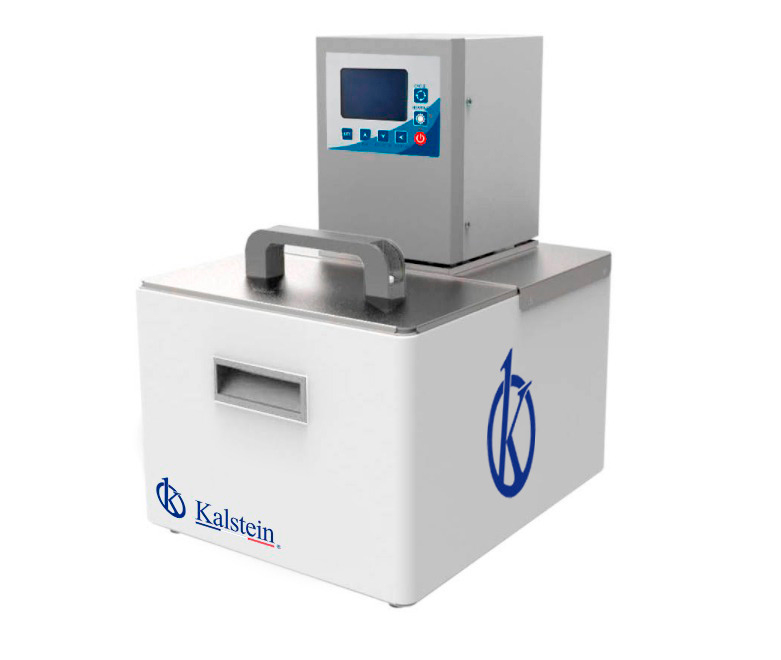
This equipment has varied and indispensable applications in the laboratories, thanks to its hot water container, where samples are incubated in water at a continuous temperature over a long period of time, among other useful applications is heating reagents, fusion of substrates or incubation of cell cultures; because of its high temperatures it allows certain chemical reactions to occur, and heat flammable chemicals instead of an open flame to prevent ignition.
Laboratory refrigerators: What is the optimal blood storage temperature? and why?
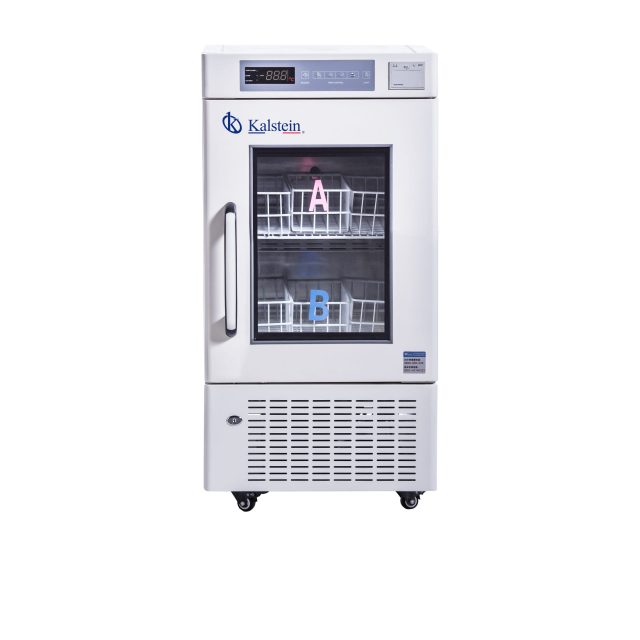
A laboratory refrigerator is a device that allows the effective preservation of all types of substances refrigerated in it, whether liquid, solid or homogeneous. This equipment works by lowering the temperature, so it allows to control the effect that it has on the substances whose composition and structure is to be preserved, this is because the lower the temperature will be the rate at which chemical and metabolic reactions occur, which deteriorate the compounds. That is why they are used in the conservation of blood and derivatives, biological liquids and tissues, reagents, chemicals, and bacterial strains.