

Nitrogen Tanks for the Conservation of Biological Samples
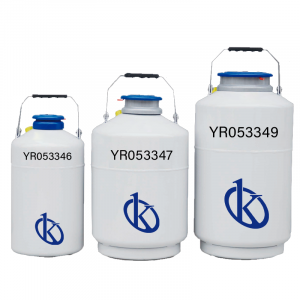
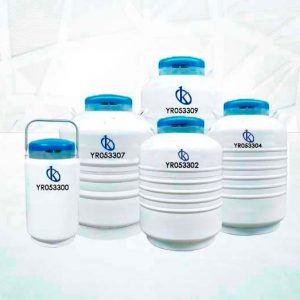
The use of liquid nitrogen for the storage of biological samples should be done with caution. This popular coolant boils quickly when it touches surfaces that are hotter (or less cold), which decreases the efficiency of the procedure. Additionally, when a substance boils at temperatures below the freezing point of water, an effect occurs where an insulating cover of nitrogen bubbles forms on the cooled object, known as the Leidenfrost effect.
Nitrogen Attacks to Brew Beer
For people who serve beer it may seem that creaminess in the foam depends on the way you get the beer, but the reality is that it depends on the foaming technique, or the mixture of gases used to create the foam. For this, both pure nitrogen or a mixture of 70-75% nitrogen and the rest with carbon dioxide can be used.
How old can I use the Baby Scale?
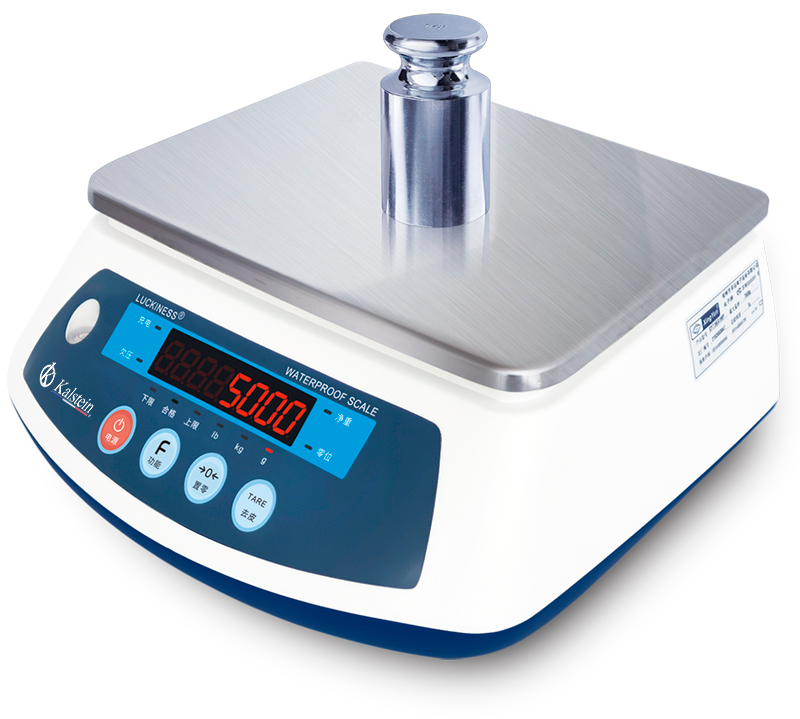
The scales are used to measure the weight of the baby without any inconvenience, able to support between 0g and 20kg, making it an ideal tool for parents and the pediatrician. Thanks to its design, it facilitates the placement of both the equipment and the baby, so it can be used at any time, without any worry and with enough precision.
Recommendations for the use of the Pediatric Scale
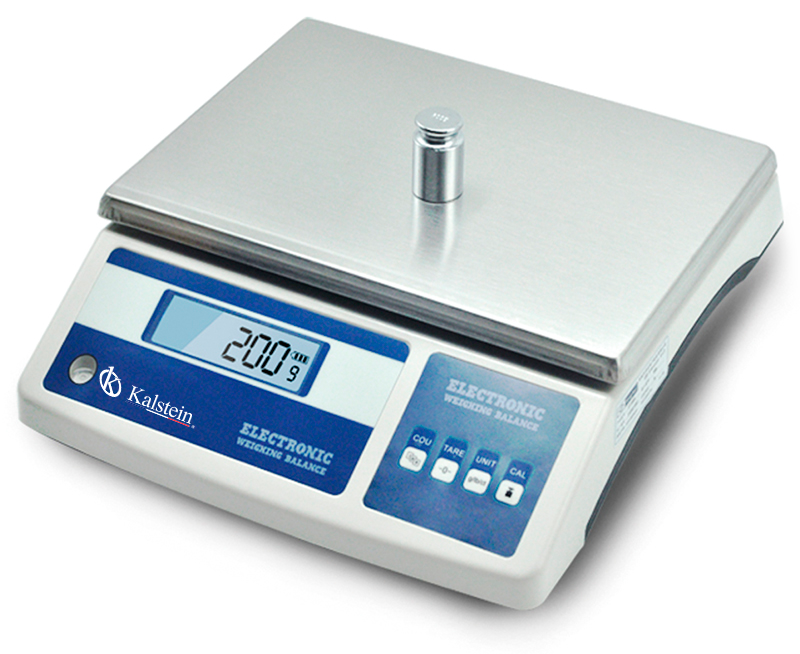
Baby scales are special because they allow to ensure the accuracy of the measurement. These have a concave surface, comfortable where the baby will be perfectly coupled, also supports children up to 20kg and shows differences from 5g between each measurement to evaluate the evolutionary processes of the child.
Laboratory shakers: differences
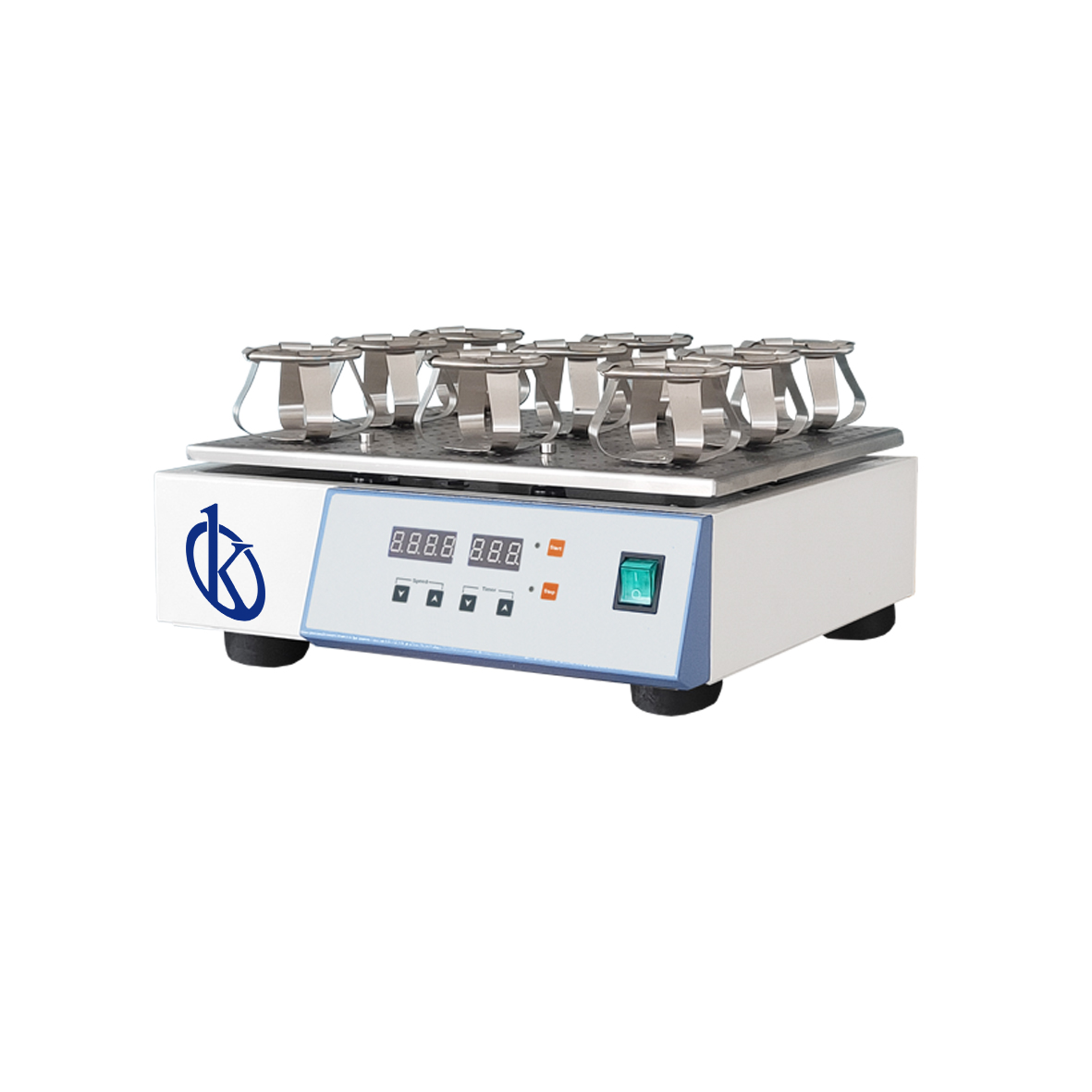
Laboratory shakers, also known as mixers, are laboratory products used, in the chemistry and biology sectors, to mix liquids and prepare solutions and suspensions. These equipments create a movement between liquids or between liquids and solids in order to achieve processes of mixing, suspension, dispersion, homogenization, heat transfer, among others.
When should a Biochemistry Analyser and Hematology Analyser be used?
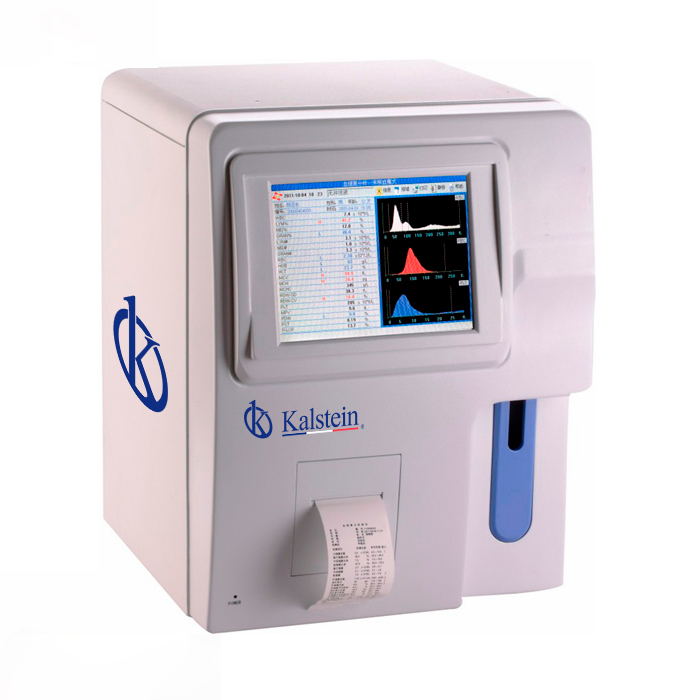
An analyser is a technological device of clinical laboratory, designed to calculate different chemical samples and other characteristics, in a number of biological samples with minimal human assistance. These measurements of blood and other fluids can be used for the analysis of the disease.
What is a Blood Chemistry Analyser?
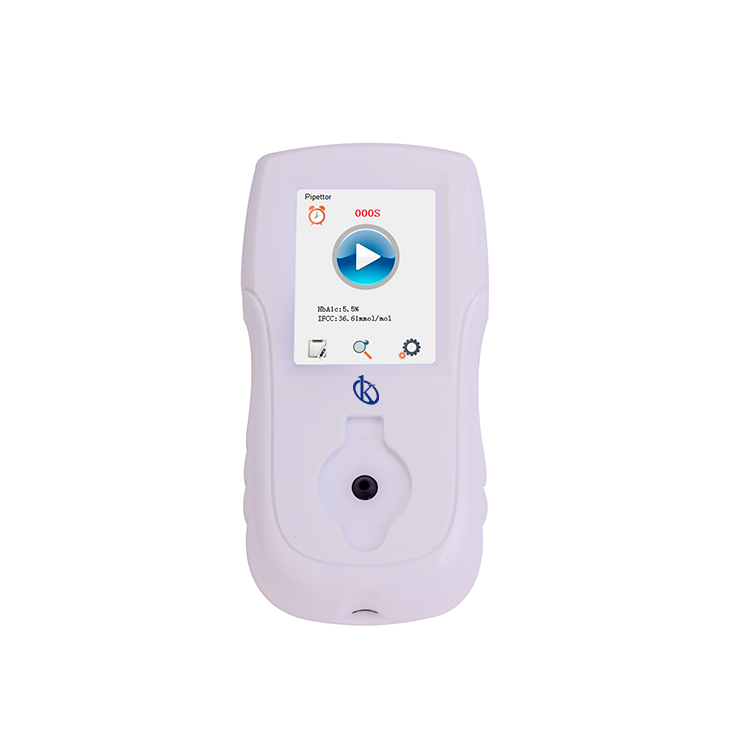
Blood chemistry analyzers are clinical laboratory equipment, essential for the medical area, because through it different pathologies are determined, and studies are also performed to establish the type of treatment to be administered to the patient, as well as the follow-up of the same. In them, the read process is performed after the scan has finished. With the analyser, the entire read and value of the analyte is carried out, once the reaction has taken place.
Laboratory balances and their applications
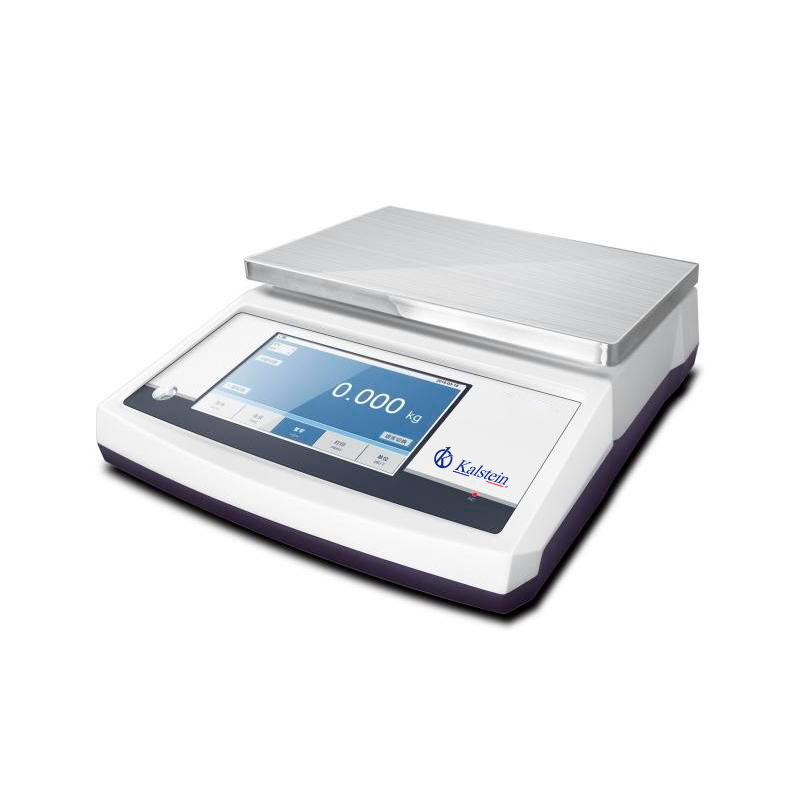
The laboratory scales, developed in 1750 by the Scottish chemist Joseph Black, were more accurate than other scales of that time and represented a breakthrough in chemistry.
When is it necessary to use an Analytical Balance?
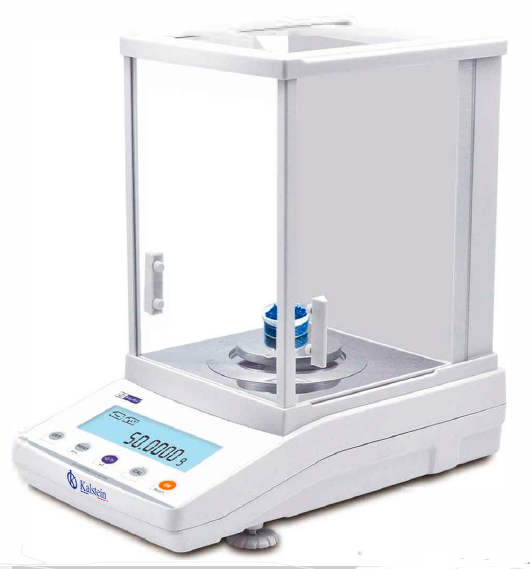
The analytical balance is a laboratory equipment, also known as a scale, designed to measure the quantities of masses to be studied with a high level of precision. This type of balance is one of the most used measurement tools in the laboratory, which depends fundamentally on all analytical results.
How to choose the ideal Balance for your Laboratory?
It is essential to know the functions offered by the scales that suit the requirements of the laboratories, and for this, it must take into account the design, size, calibration capacities, weighing capacity, weighing units (grams, kg and / or lbs.), margin of error and battery durability. Based on this, the analytical balance meets the requirements within the laboratories, offering more accurate results, and easier reading.