

How is Microplate Calibration done?
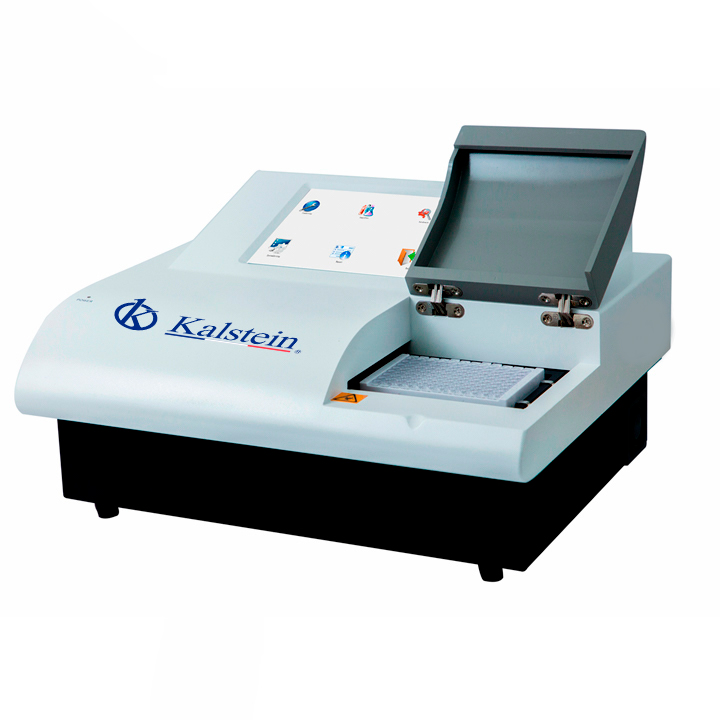
Microplate readers are optical equipment used for the detection of physical, chemical or biological phenomena by reading the absorbance. They are also known as ELISA readers or spectrophotometers, because they are associated with the ELISA test or Enzyme-Linked Immunosorbent Assay, a laboratory technique used to detect antigens in samples. Microplate readers function similarly to uv-visible spectrophotometers by measuring how much light is absorbed by a sample at different wavelengths. They are composed of 3 main elements, the detector, the monochromator and the illumination source.
Cancer Diagnosis in Women with the Microplate Reader
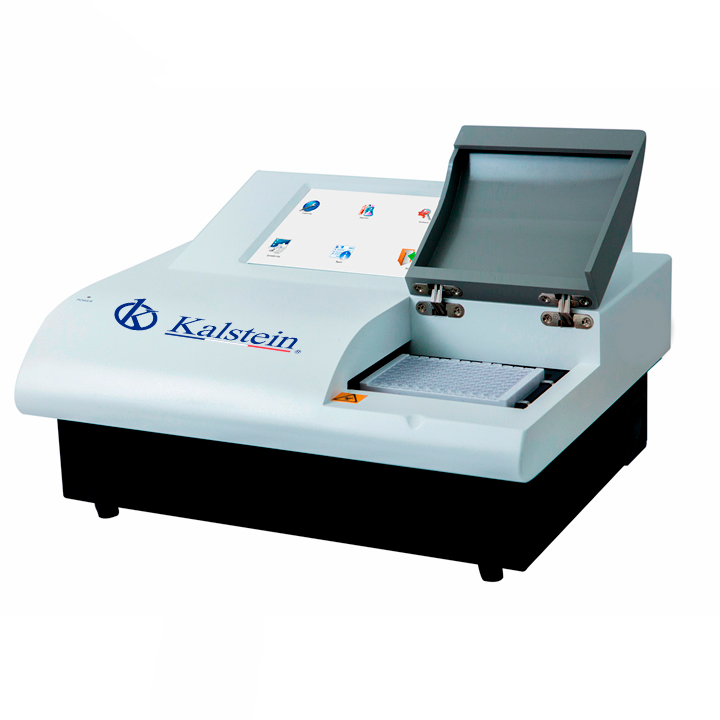
The microplate reader is a laboratory kit developed for the quantification of proteins and nucleic acids through cell imaging. It relies on filtration of proteins deposited in wells of an adjusted plastic plate to assist absorption and bind antibodies.
Using the Microplate Reader to Detect HIV
A microplate reader is a computer that involves different modes of activity and is widely used in the area of research and medicine for the detection of chemical, biological or physical abnormalities of a sample. This instrument allows to carry out a variety of experiments simultaneously, among its main functions are to measure fluorescence, absorbance and luminescence. The ELISA technique requires a microplate reader to detect and diagnose diseases such as hepatitis B, cancer, Covid-19, and HIV, among others.
Characteristics of a Pediatric Vital Signs Monitor
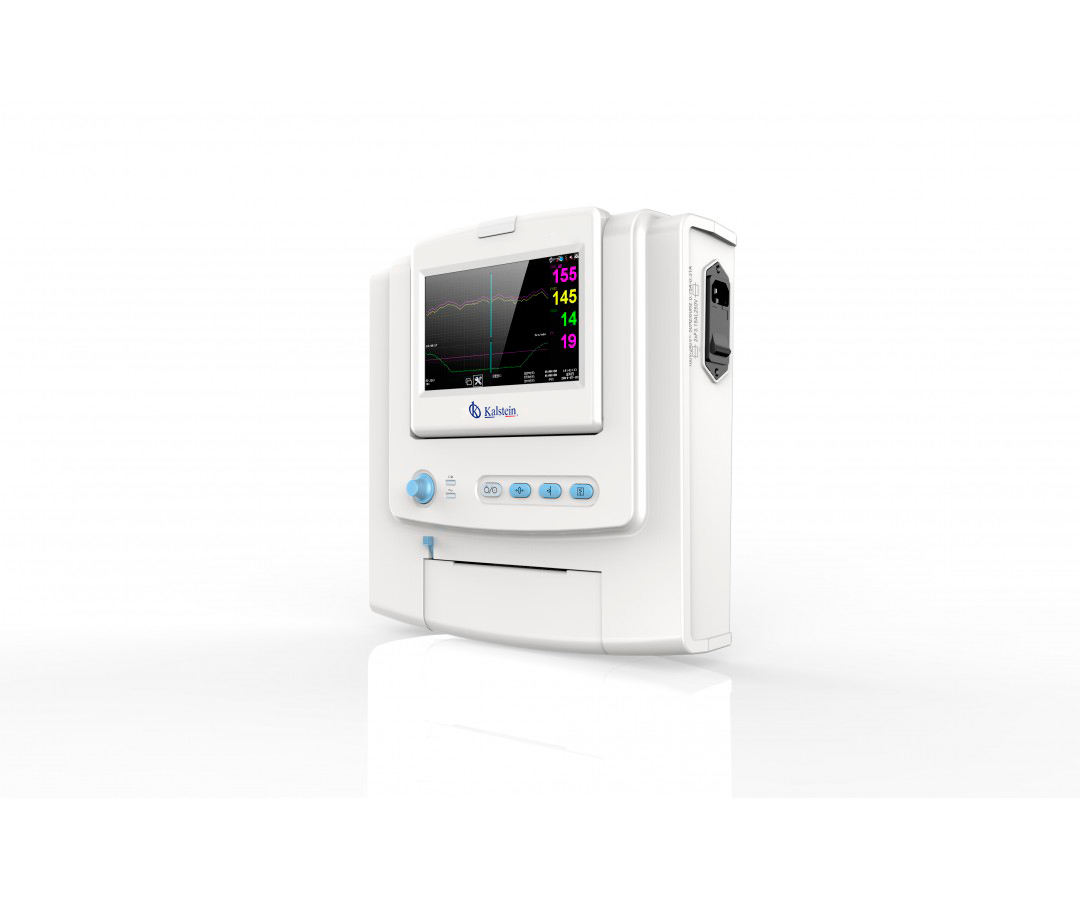
A pediatric vital signs monitor or also called a pediatric vital signs monitor is an electronic equipment that allows the detection, processing and continuous display of the vital signs of the pediatric patient such as: breathing rate, blood pressure, body temperature and pulse.
Patient Monitor, How To Read On A Vital Signs Monitor?
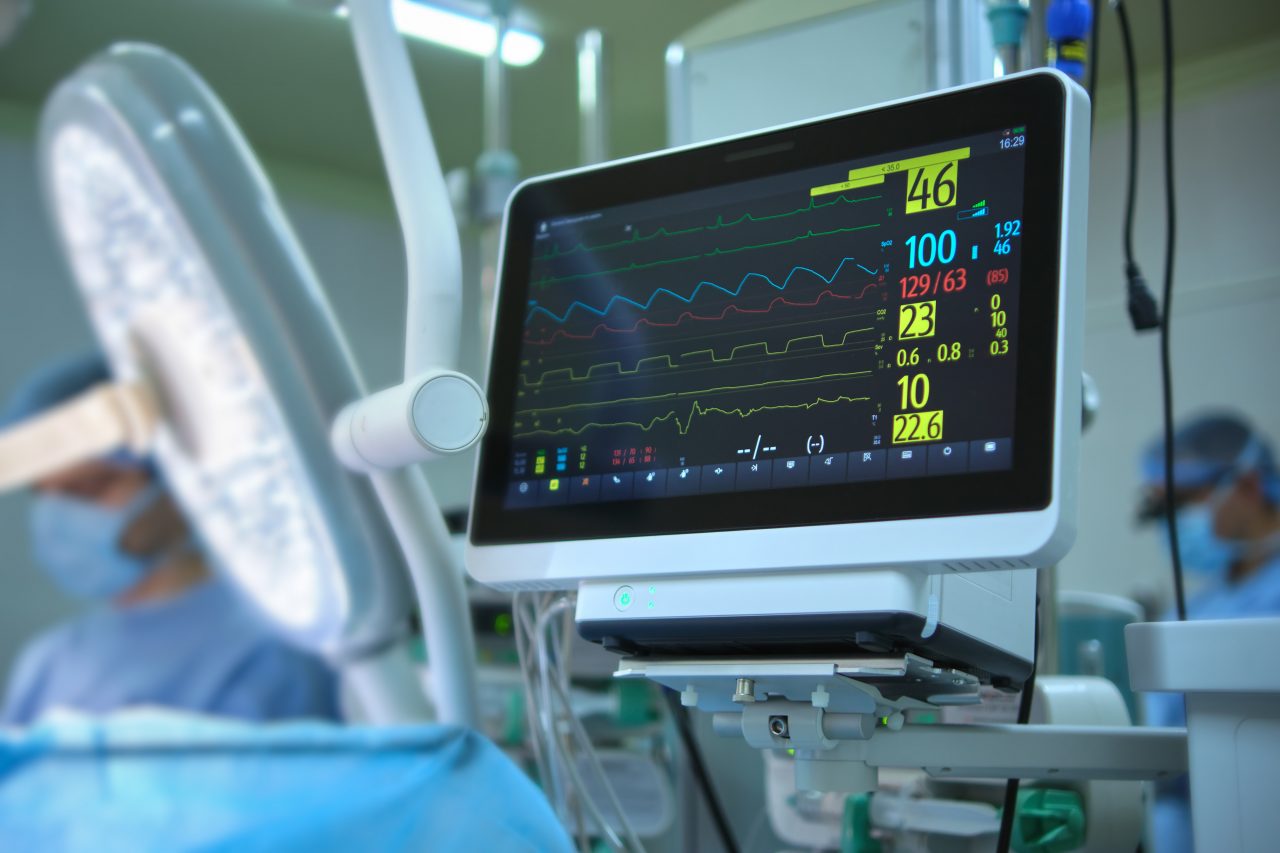
This medical equipment, required in clinics and hospitals, is used to monitor and control the vital signs of the patient connected to the device and requiring continuous monitoring, this device detects, processes and records the physiological and cardiac parameters of the patient, the design of these equipment should be simple to facilitate use by medical staff, nurses and paramedics.
How do you explain a patient monitor?
The Patient Monitor is a multifunctional instrument designed to monitor vital functional signs of adult and pediatric patients. This medicine is available in hospitals and clinics and should only be handled by qualified staff. The team is designed to manifest a set of parameters in patients for the purpose of exposing medical data in database trends, conceiving alarms and observations.
Patient monitor – Usage rules
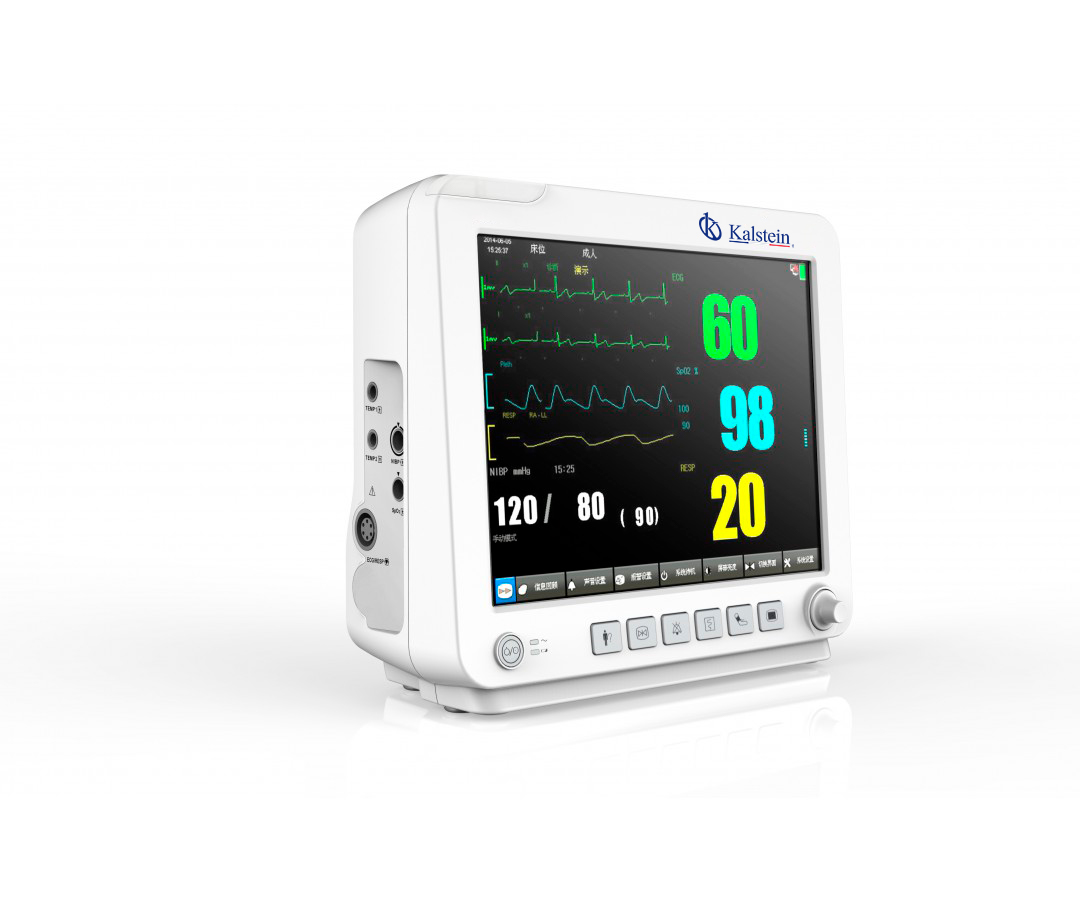
A patient monitor is a medical device that collects and stores vital signs of the patient, which together with alarm systems process and record the parameters of the patient. They are teams capable of providing operational facilities for medical staff and modern medical practice. Nowadays, these patient monitors collect information from different physiological parameters and also store trends and events of arrhythmias.
Parameters measured by a patient monitor
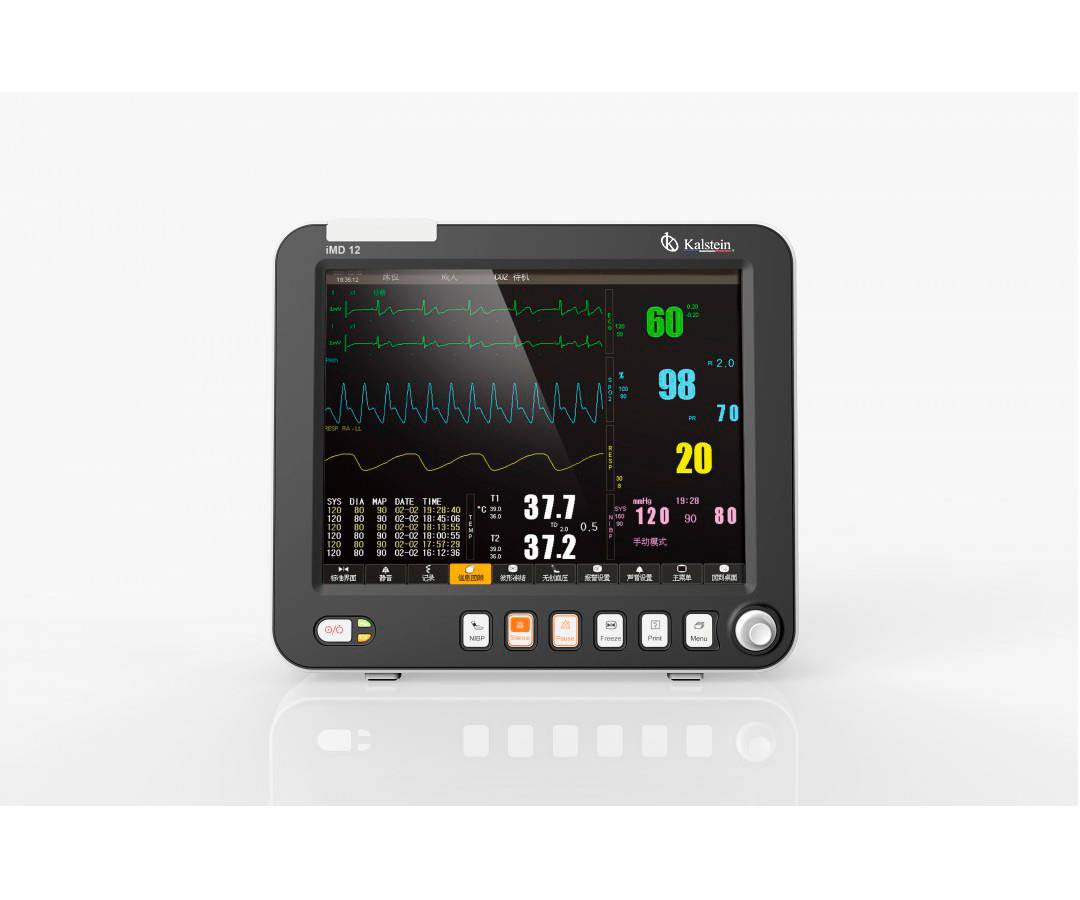
A patient monitor is a medical equipment designed to monitor vital physiological signs of adult and pediatric patients. Through the real-time recording function and the parameters shown, such as ECG, non-invasive blood pressure, body temperature, functional oxygen saturation, among others, it allows a comprehensive analysis of the physiological conditions of the patient. It is intended to use this instrument in hospitals and clinical institutions. Operations should be performed by qualified personnel only.
Monitor pediatric or pediatric patients

A pediatric patient monitor or also called a pediatric monitor is a medical and electronic device that collects, displays, and also stores all vital signs of the pediatric patient. This equipment allows to detect, process and continuously deploy these physiological parameters of the patient such as: breathing rate, blood pressure, body temperature and pulse.
Care and maintenance of an electrocardiograph?
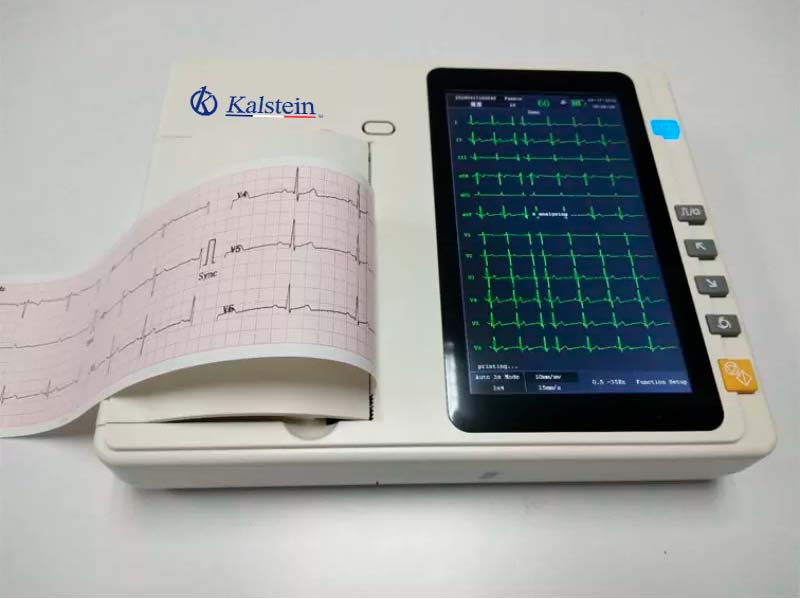
An electrocardiograph is a medical device that analyzes the electrical mechanisms of the heart over a period of time. It works in conjunction with electrodes placed on the patient’s chest and limbs to detect electrical changes.