

What are the Applications of a -86°C Ultra Freezer?
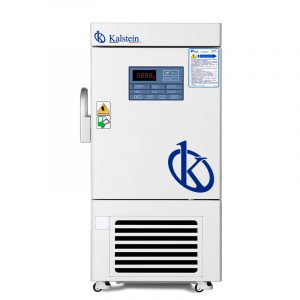
The Ultra Freezer is a device designed and developed to create a delicate system that provides advantages for the storage of samples, reagents, controls, tissues, blood and other biological materials, at extremely low temperatures of -80 to -86 °C. They are used, through the cascade cooling system, which use up to 20 times the energy trace of domestic refrigerators, and are used to refrigerate with greenhouse gas fluids.
Is a Gel Documentation System important?
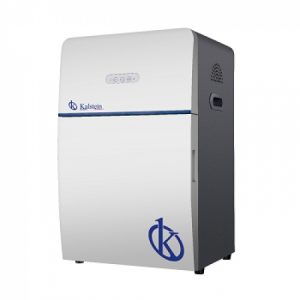
At present, technological development allows to have documentation systems in gel, to apply to the needs of the laboratories, providing innovative solutions, both for the capture and for the study of the images, and are formed on the basis of the methodologies used by each researcher.
What is Acid Digestion for Metal Determination?
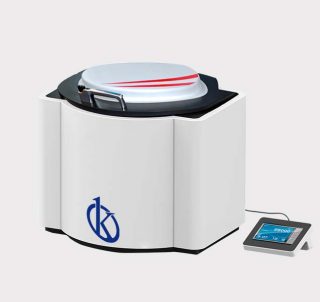
By using the techniques of atomic absorption spectrometry and microwave digesters, they comply with traditional methods for acid digestion, and are used for the development and preparation of samples, in order to obtain the analysis in liquid form.
What are the characteristics of a cooling plate?
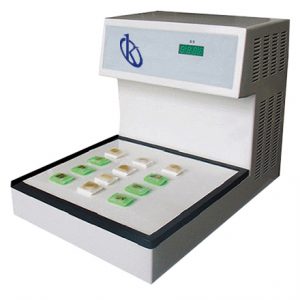
In a histology laboratory, a series of processes and techniques are carried out to meet the highest demands of the functions that are performed to obtain the desired analyzes or results, as you know, histology is the study of tissues, and to perform this analysis precise cuts of paraffin blocks are made, and it is essential to make these cuts accurately perform a cooling process.
How does automatic tissue staining develop in a histology laboratory?
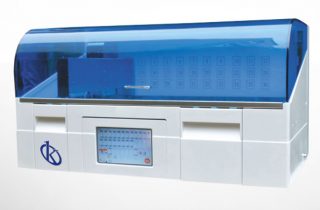
In histology laboratories some staining techniques are used to detect possible pathogens or cellular components that will help pathologists to determine the existence of diseases, there are a significant number of special stains of common application, with reagents and prepared solutions, many of these special stains have applications for microwaves, so you can get the results in a fraction of the time.
What are the different types of clinical chemistry analyzers that exist?
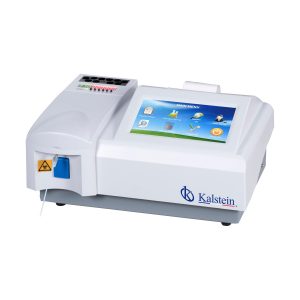
This type of analyser is also known as biochemistry analyzers, they are required equipment to determine the existing metabolites in biological samples such as blood and urine, the study of these fluids allows diagnosing diseases, which is why they are widely used in the areas of immunology, endocrinology, toxicology or oncology.
What are the different types of coagulation analysers?
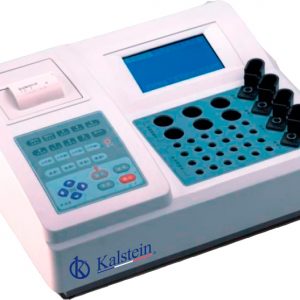
Coagulation analyzers are laboratory tools that speed up analysis of clotting factors, which represent proteins in the blood that help control bleeding. The analyser determines these factors. When a person has an injury or cut that can cause bleeding, clotting factors work together to create a blood clot that prevents constant and excessive blood loss.
What are the types of colorimeters?
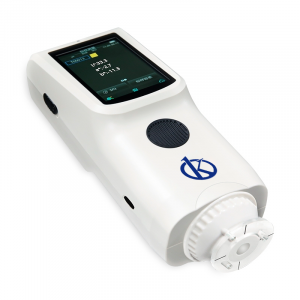
Colorimeters are instruments used to determine the exact composition of a color, because they have the ability to provide accurate and objective measurements of color, providing accurate information of color intensity and hue. They are frequently used instruments in colorimetry, a branch of science that is responsible for the study of colors and, especially, how to measure them.
Why is a colorimeter important in the lab?
A colorimeter in the laboratory is considered a very effective tool when identifying a color and its hue, since it allows to obtain a more objective measurement of it. This laboratory equipment is also an instrument that has the property of measuring the absorbance of a solution at a specific light frequency.
What are air conditioning chambers?
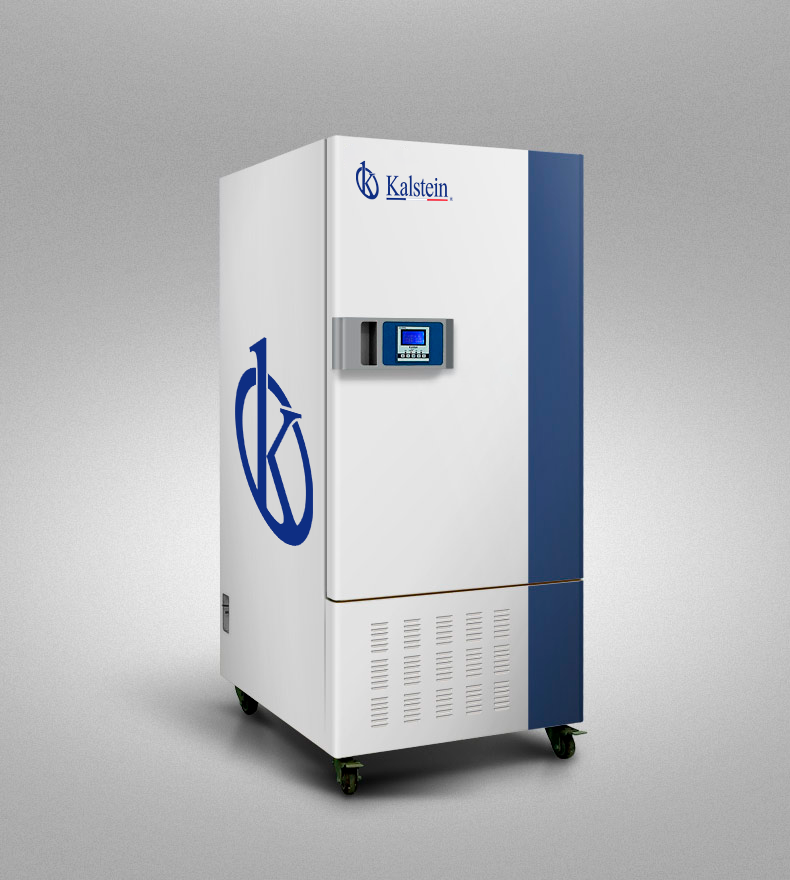
The air conditioning chambers are units that artificially offer controlled environments necessary to perform tests according to the specialty. They are responsible for environmental simulation, accelerated aging, quality control, materials and systems research, product stability study, wet conditioning, behavior analysis of animal and plant species, among others.