

What is a power source for electrophoresis?

A power source for electrophoresis is a device that manages the current in a constant and direct way to the electrophoresis system, as well as indicates and controls both the supply voltage and the current consumption. In other words, this equipment supplies the energy necessary for this system to function properly; and this delicate laboratory technique can be carried out.
Capillary electrophoresis and gel electrophoresis: What are the differences?
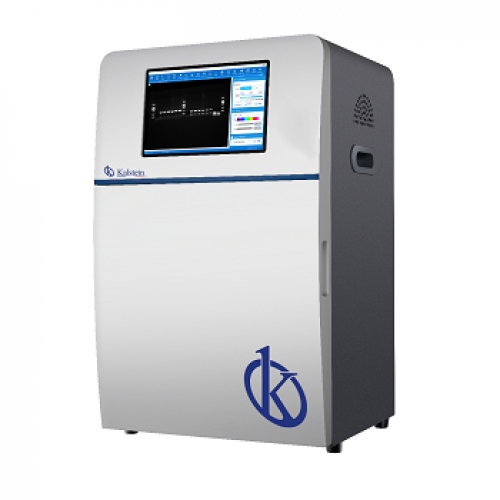
The electrophoresis process is a technique where electrical current is applied to biological molecules, the process consists of separating depending on whether they are large or smaller and has a wide variety of scientific applications, its use focuses on protein research, genetic research, DNA separation and RNA; this technique is widely used in diagnostic tests, and to understand the function of genes and proteins.
What are the principles of electrophoresis?

This technique is widely used in laboratories, especially in those of molecular biology, because it is used in important procedures such as: separation, analysis and purification of RNA, DNA, or proteins, nucleic acids, this process is performed because most biomolecules have an electrical charge where their magnitude depends on the pH of the medium in which they are found; because of this, the biomolecules move when subjected to an electric field to the charge pole opposite to that of the molecule.
How is an ECG interpreted?
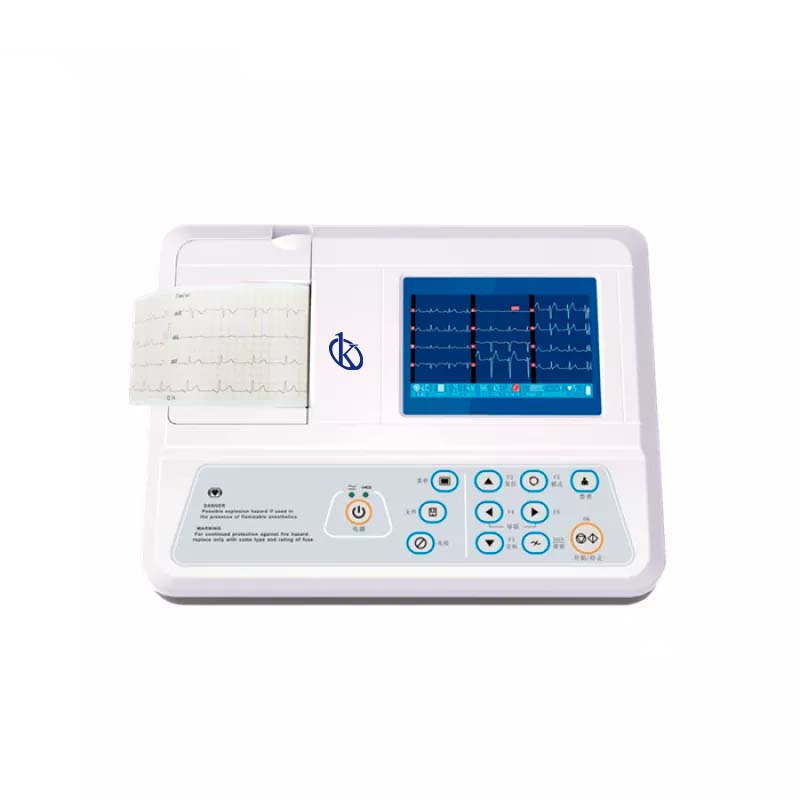
It is called ECG as an electrocardiogram, if it is an evaluation that is done to know the electrical activity of the heart, are performed in the emergency and internal medicine units, consists in the placement of electrodes in different parts of the body, these electrodes send a signal that is recorded in an electrocardiograph, there are ways to perform the examination, one at rest where the patient is relaxed and still, and another where stress test where the patient is kept practicing some physical activity.
What does 12 leads mean in an electrocardiograph?
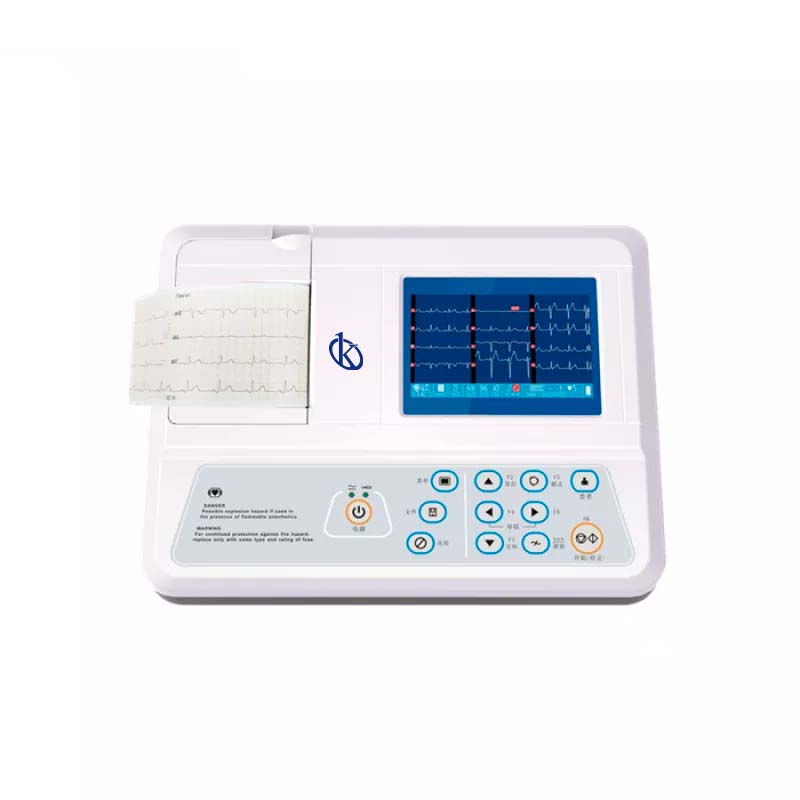
An electrocardiograph of this type is characterized by having 12 channels and recording each of the 12 leads within 2.5 seconds; they allow the visualization of the analysis in real time before printing the records, providing efficiency and improving the accuracy of the patient’s diagnosis; In this way you avoid having to repeat the procedure, a 12-lead electrocardiograph has advantages over other types, such as the ability to send data to the ECG administration system without printing.
What is a multiparameter monitor?
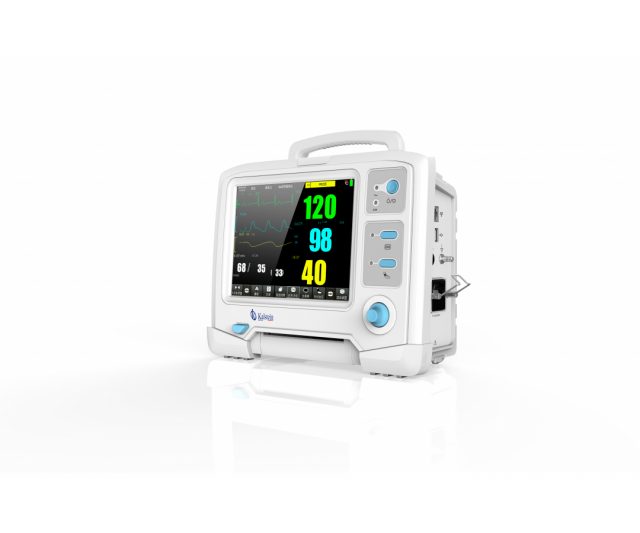
A multi-parameter monitor is an electronic medical equipment that allows monitoring of vital signs of patients in critical condition or who should undergo continuous medical supervision, in case any alteration in the values of these occurs; the vital signs that usually measure and record this device are: heart rate (ECG), respiratory rate (RESP), non-invasive blood pressure (NIP), pulse (PR), oxygen saturation (SpO2), temperature (TEMP), CO2 and invasive blood pressure (PAI).
How many parameters does a vital sign monitor have?
A vital signs monitor is electronic devices commonly used in intensive care units, and hospitalization and emergency services to continuously monitor the patient’s vital signs or constants, as these equipment has the ability to continuously detect, process and deploy complex physiological parameters of the patient.
How do you compose an operating room?

Firstly, in all medical units, the ideal furniture within the surgical field transforms the performance of the medical staff into new and good management for the health of the patient.
How is a surgical table divided?
The surgical table, as an essential part of the operating room, is designed to provide safety and comfort to patients who require it, in addition, it is functional for any medical intervention, consisting of a column, the top and the transporter.
Differences between non-halogen incandescent light and halogen incandescent light in an operating room lamp?
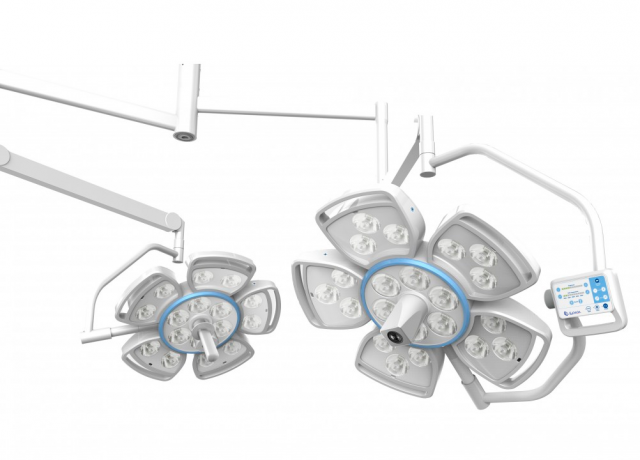
Surgical lamps are equipment intended to provide high quality lighting for procedures in hospital and emergency rooms. These equipments are made with incandescent lights, which are halogen type and not halogen, have similar characteristics, providing bright lighting, these originate in the decade of the 60’s, when halogen lamps were used for the first time, although at that time, they were still used very isolated and with low power results. With the arrival of the 1990s, the action of the first non-halogen lamp, also known as LEDs of intense brightness, which served to make this type of equipment gaining more and more presence.