

What are the different types of coagulation analysers?
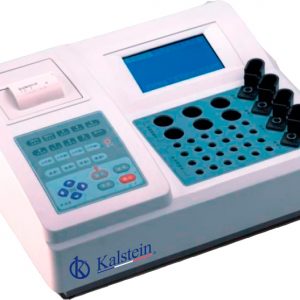
Coagulation analyzers are laboratory tools that speed up analysis of clotting factors, which represent proteins in the blood that help control bleeding. The analyser determines these factors. When a person has an injury or cut that can cause bleeding, clotting factors work together to create a blood clot that prevents constant and excessive blood loss.
What are the types of colorimeters?
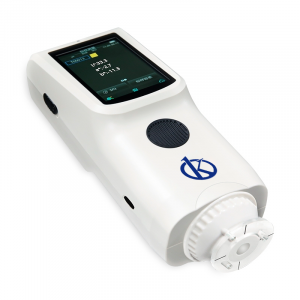
Colorimeters are instruments used to determine the exact composition of a color, because they have the ability to provide accurate and objective measurements of color, providing accurate information of color intensity and hue. They are frequently used instruments in colorimetry, a branch of science that is responsible for the study of colors and, especially, how to measure them.
Why is a colorimeter important in the lab?
A colorimeter in the laboratory is considered a very effective tool when identifying a color and its hue, since it allows to obtain a more objective measurement of it. This laboratory equipment is also an instrument that has the property of measuring the absorbance of a solution at a specific light frequency.
What are air conditioning chambers?
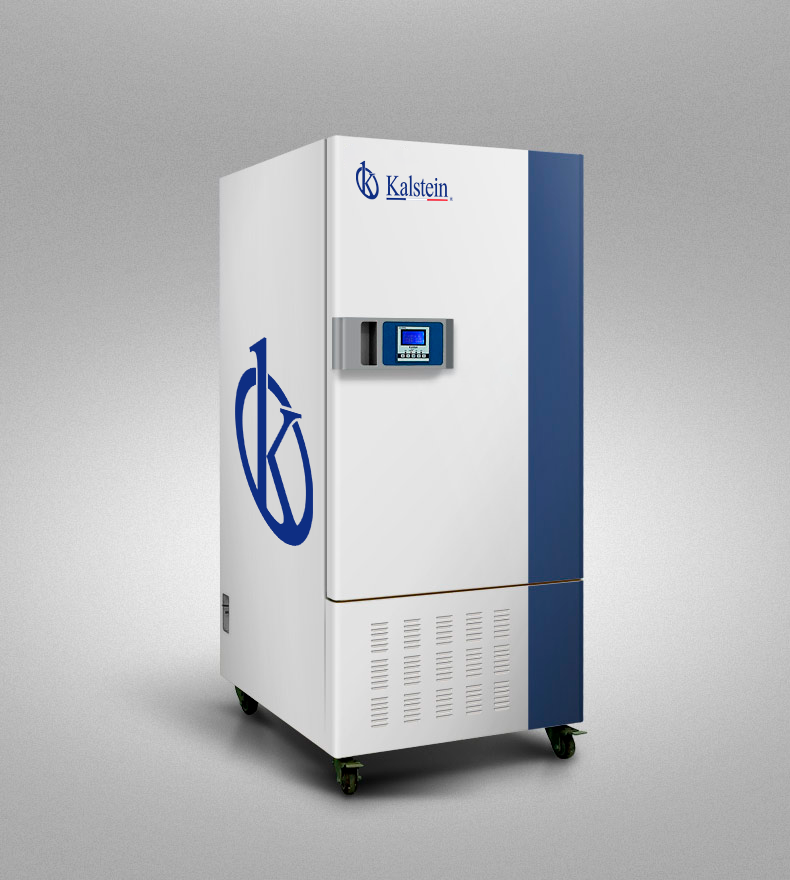
The air conditioning chambers are units that artificially offer controlled environments necessary to perform tests according to the specialty. They are responsible for environmental simulation, accelerated aging, quality control, materials and systems research, product stability study, wet conditioning, behavior analysis of animal and plant species, among others.
How many types Of Climate Chambers are There?
The climatic chamber is a unit able to build the will of stable situations of temperature and relative humidity, to provide controlled climatic states, in order to have a reliable measurement pattern in the measuring instrument. It is made by an airtight structure, able to provide pressures between the inside and the outside, its main components being an access gate, means to humidify and condition the air inside the chamber, sensors and temperature controllers.
Characteristics and maintenance of a Moisture Analyzer?
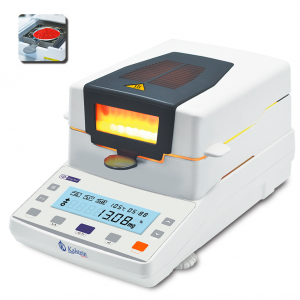
During the practice of moisture analyzers, it is of great importance, the functions according to the heating efficiency of the samples for the drying processes, together with the maintenance of the equipment for its effectiveness in each of its systems.
Care and Maintenance of a Moisture Analyzer?
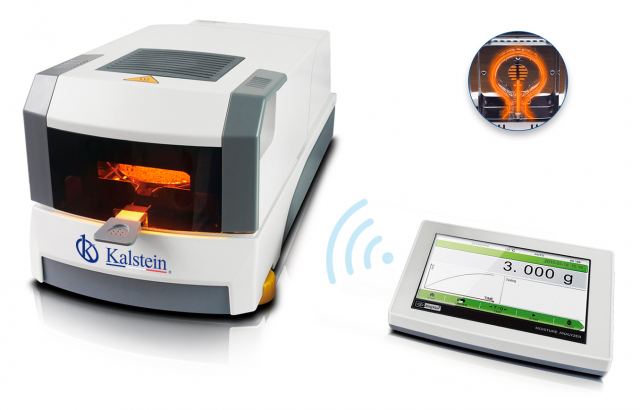
The main objective of the care and maintenance of moisture analyzers, as drying processing equipment of the materials to be studied, are of great importance, since it would avoid the consequences of equipment failures, managing to prevent incidents before they occur.
For use with a portable ultrasound scanner?
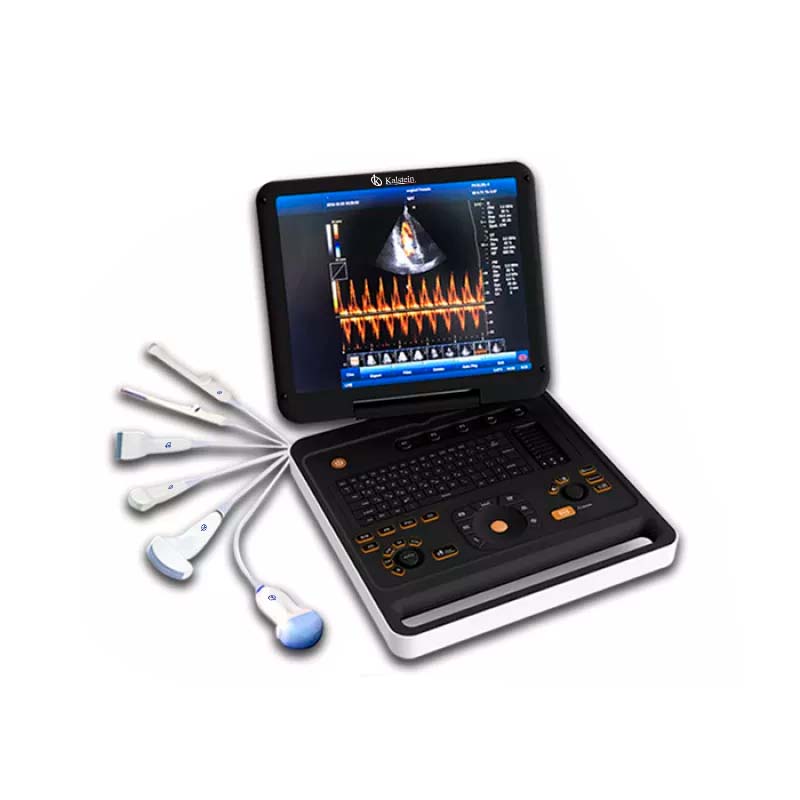
This handheld ultrasound device is small and very low cost, has as advantages that makes ultrasound more simple, also allows you to be everywhere inside the hospital, facilitating the doctor’s tour of the patient’s body; it is used in a variety of applications in different departments, the widest for a single ultrasound probe, making it an imaging device for the whole body, in urological, abdominal, fetal, cardiovascular, gynecological and musculoskeletal applications, among others.
Care when using an electrosurgical unit
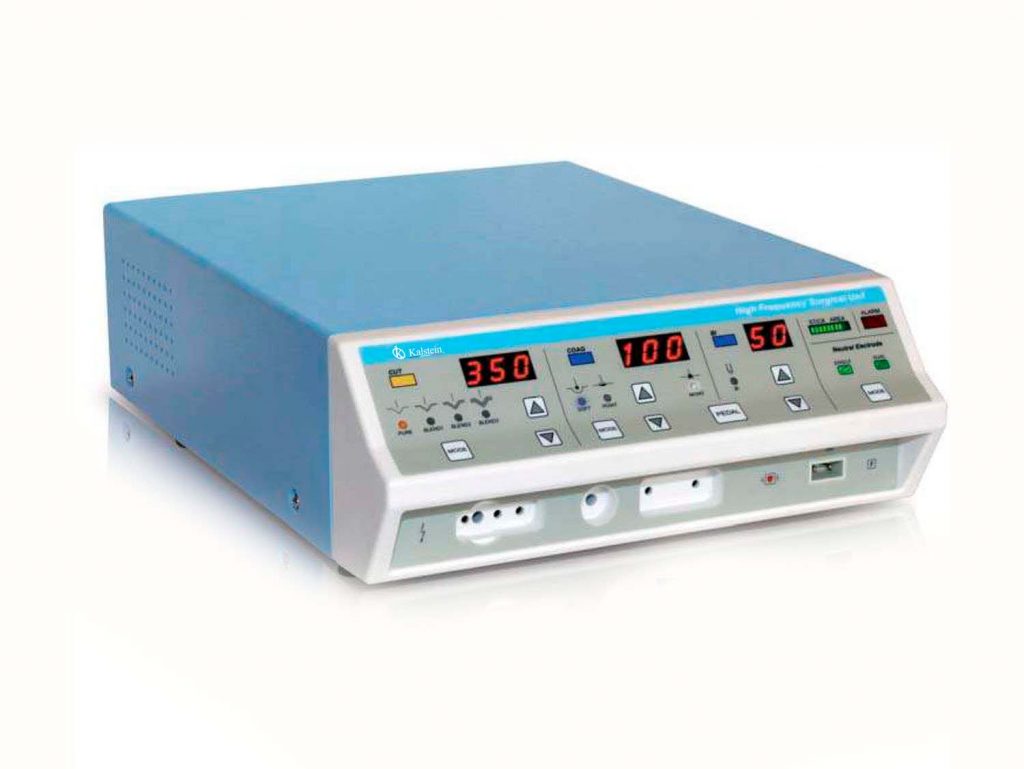
The electrosurgical unit is a medical equipment capable of transforming electrical energy into heat to cut or coagulate tissues and cauterize them simultaneously, using currents that develop at high frequencies usually above 200,000 Hz. In other words, this equipment is responsible for generating high-frequency alternating current from low-frequency electrical currents, with the aim of achieving a desired thermal effect on a biological tissue.
Freezers why should samples be frozen in an ultrafreezer
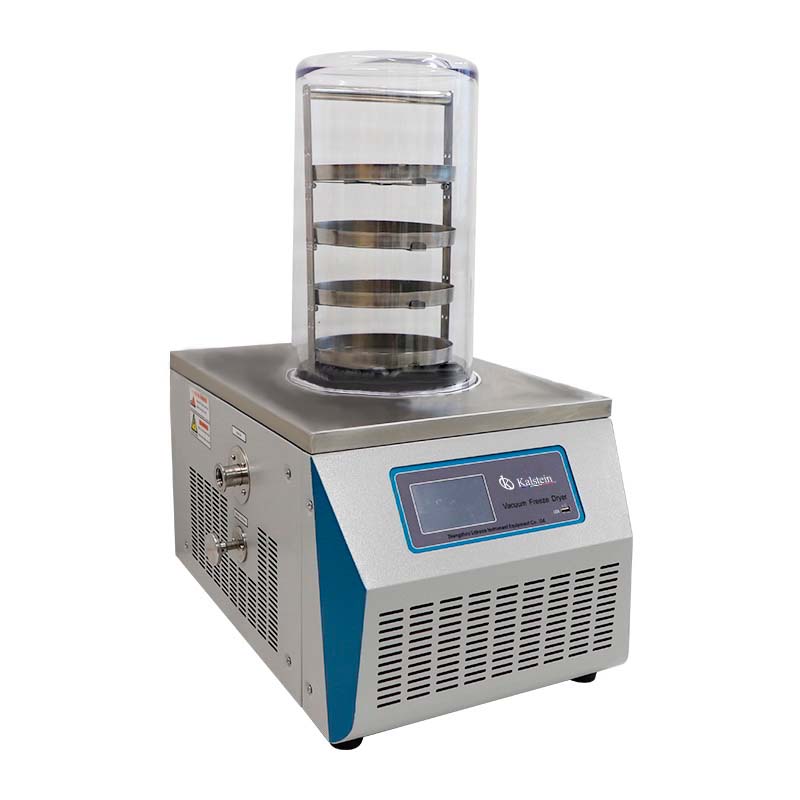
The quality and reliability of the laboratories depends on the equipment with which they work, that is why, through the use of freeze-driers, they are responsible for complying with the conservation of samples by means of freezing processes, through methods that are used for the soft drying or conservation of thermally sensitive samples