

Advances provided by a surgical navigation system

Today’s technological advances have made it possible to have in the operating rooms a series of equipment that allow to carry out the procedures in a much more effective and safe way, among them we find the surgical navigation systems, medical equipment that allows to visualize the anatomy of the patient during a surgical procedure and to carry out precise tracking of the location of the instruments used in surgery.
In a histology laboratory: what function does a fabric processor perform?
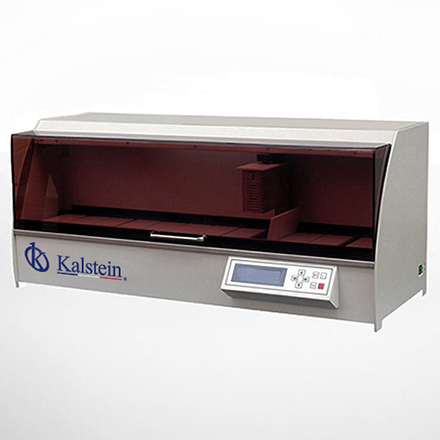
The tissue processor is a team that is in charge of the dehydration of the tissues by preimpregnation and infiltration, by immersing the sample in increasing concentrations of ethanol, immersing it in xylene; and infiltration by immersion in liquid paraffin.
In a pathological anatomy laboratory: what is the function of a tissue inclusor?
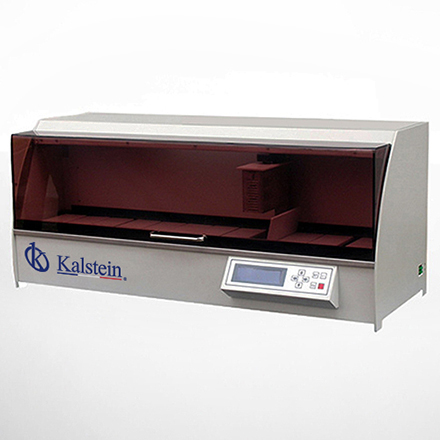
The performance of the equipment of tissue inclusor, is used for the integration of paraffin as standard method in the production of tissue blocks, to cut it into sections. This procedure is performed using an inclusion center, surrounding the tissues with a medium such as paraffin wax, which when cooled and solidified, provides sufficient support for the section cut.
What is a pediatric bacinete?
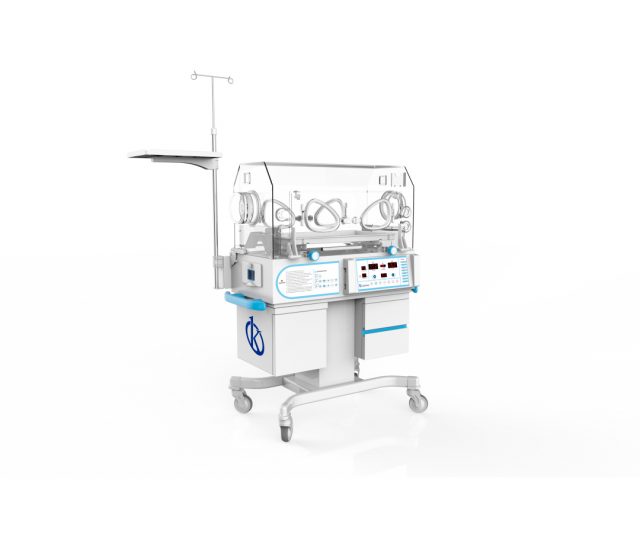
The pediatric cot is a cradle that allows you to give security to the baby, for its perfect space and maximum comfort, in addition, facilitates the access to the nursing staff, as the best option for cots and rooms of joint stay. Also, it is used to receive discharge from the newborn unit, the newborns are located in an open cot without heating, which translates into pediatric cot.
How is the handling of a child incubator?
At birth, the newborn experiences temperature changes, in which it tends to decrease significantly due to the loss of heat that occurs by handling, convection, luminescence and evaporation.
What is a multi channel electrocardiograph?
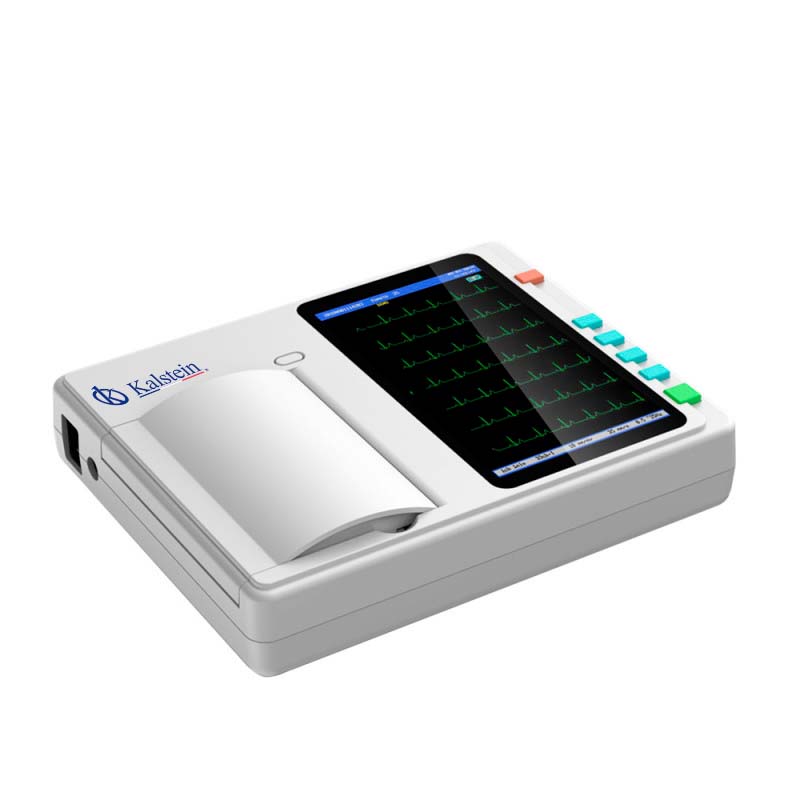
It is a medical device, charged with recording the negative and positive cardiac activities of patients, driven by electrodes, able to record the damage of the heart, the speed of palpitations or some anomaly, in addition to the effects left by the cardiac drugs.
How many phototherapy sessions are needed?
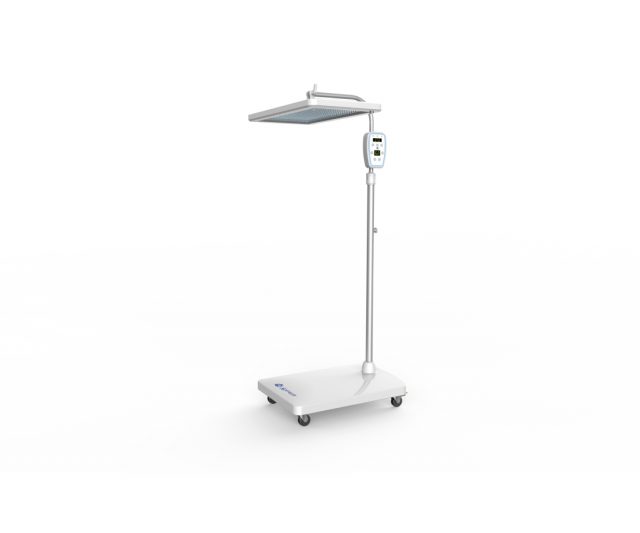
Phototherapy is a technique used in several fields of medicine where the skin is exposed to light sources for a certain time, either to treat skin conditions, due to the use of UV radiation for its anti-inflammatory properties or as the treatment of choice in neonatal hyperbilirubinemia where light is used for its ability to reduce serum bilirubin levels.
What happens after phototherapy?
Phototherapy is a methodology used to treat neonatal hyperbilirubinemia, a clinical condition characterized by high blood bilirubin levels in newborns. Through this technique, these bilirubin values can be reduced by using light.
How is neonatal hyperbilirubinemia treated?
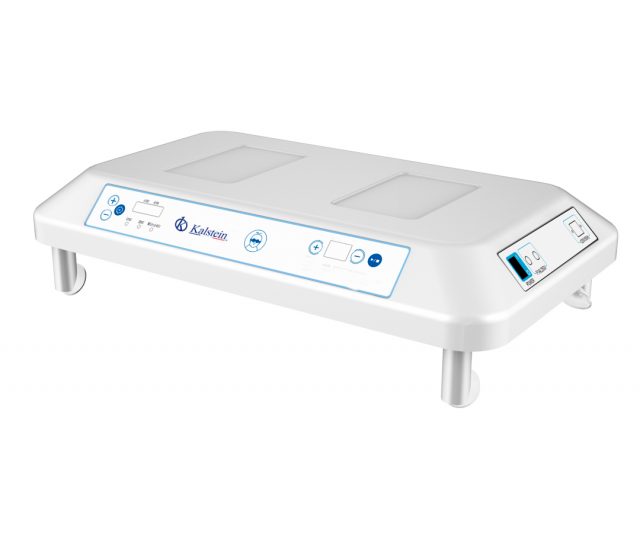
The phototherapy units are medical equipment that expose fluorescent light for the treatment of hyperbilirubinemia in neonates, which are reflected in the color of their eyes, skin and mucous membranes, which causes that yellowish color, because of the elevation of bilirubin in the blood, which has not been processed by the liver, inducing in them an increase in blood levels and as a consequence produces these changes in the neonates.
Laboratory lyophilizer: What are the different types that exist?
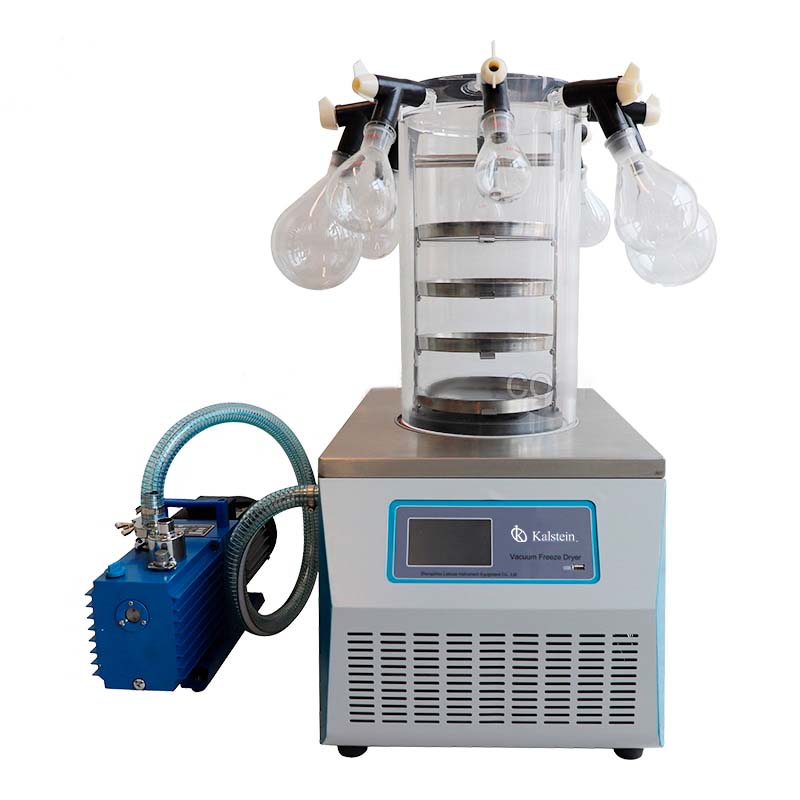
A lyophilizer is a laboratory equipment that allows to carry out lyophilization, that is to say, it is an instrument that is used to remove moisture from a product by cold drying, thus obtaining a dehydrated product that can be rehydrated when needed, thus fully recovering its properties at the time of use.