

Liquid Nitrogen Uses and Applications
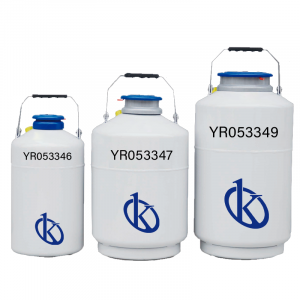
Liquid nitrogen, an extremely cold chemical, reaches temperatures of about -328°F (-200°C). It instantly freezes anything it touches. It is used to destroy cells that make up diseased or cancerous tissue, causing its destruction by drying and detachment.
What is a steam generator in an autoclave?
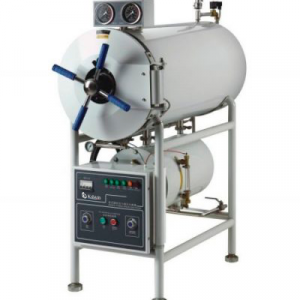
A steam generator is equipment that provides pure steam for sterilization carried out in autoclaves. Pure steam is obtained from the deionized water supply of the boiler with electric immersion heaters. It is a system formed by a boiler and some accessories, whose objective is to transform a liquid into vapor, using high temperatures.
What is an autoclave and what is it for?
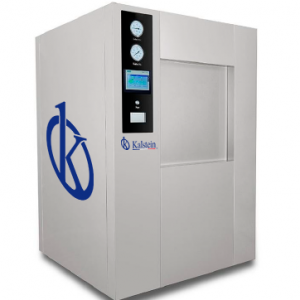
An autoclave is a thick-walled metal container with a tight seal that allows working with high-pressure, high-temperature water vapor, used to sterilize medical or laboratory equipment. This computer is capable of inactivating most viruses and bacteria. The autoclave was invented by Charles Chamberland in 1879.
Why is an Ultra Freezer important in Labs?
The storage and storage system of samples and products within a laboratory, constitutes a significant part of the quality of the final products developed in it. In this sense, the optimal organization of the warehouse, must manage the available resources and prevent the needs, so that the samples and products, always are found when, how much and where they are needed.
What are the Applications of a -86°C Ultra Freezer?
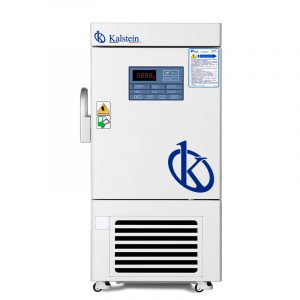
The Ultra Freezer is a device designed and developed to create a delicate system that provides advantages for the storage of samples, reagents, controls, tissues, blood and other biological materials, at extremely low temperatures of -80 to -86 °C. They are used, through the cascade cooling system, which use up to 20 times the energy trace of domestic refrigerators, and are used to refrigerate with greenhouse gas fluids.
Is a Gel Documentation System important?
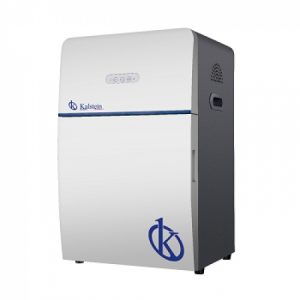
At present, technological development allows to have documentation systems in gel, to apply to the needs of the laboratories, providing innovative solutions, both for the capture and for the study of the images, and are formed on the basis of the methodologies used by each researcher.
What is Acid Digestion for Metal Determination?
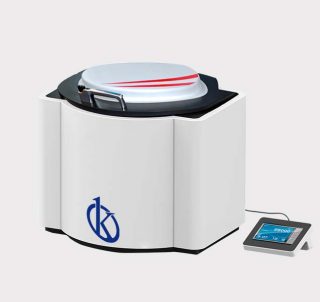
By using the techniques of atomic absorption spectrometry and microwave digesters, they comply with traditional methods for acid digestion, and are used for the development and preparation of samples, in order to obtain the analysis in liquid form.
What are the characteristics of a cooling plate?
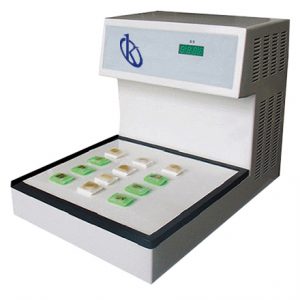
In a histology laboratory, a series of processes and techniques are carried out to meet the highest demands of the functions that are performed to obtain the desired analyzes or results, as you know, histology is the study of tissues, and to perform this analysis precise cuts of paraffin blocks are made, and it is essential to make these cuts accurately perform a cooling process.
How does automatic tissue staining develop in a histology laboratory?
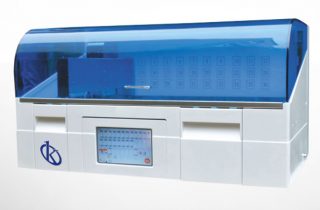
In histology laboratories some staining techniques are used to detect possible pathogens or cellular components that will help pathologists to determine the existence of diseases, there are a significant number of special stains of common application, with reagents and prepared solutions, many of these special stains have applications for microwaves, so you can get the results in a fraction of the time.
What are the different types of clinical chemistry analyzers that exist?
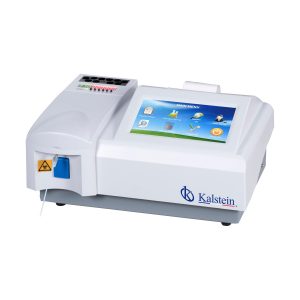
This type of analyser is also known as biochemistry analyzers, they are required equipment to determine the existing metabolites in biological samples such as blood and urine, the study of these fluids allows diagnosing diseases, which is why they are widely used in the areas of immunology, endocrinology, toxicology or oncology.